For emerging apparel brands and startups, choosing the right printing method is a crucial decision that impacts product quality, costs, and scalability. Among the various techniques available, heat press printing stands out as a practical and accessible solution for those launching or growing a small clothing line. This approach offers flexibility, vibrant results, and a manageable entry point for entrepreneurs who want to produce custom garments without the overhead of large-scale equipment or minimum order requirements.
In this article, we’ll break down how heat press printing works, its benefits and limitations, and how it compares to other textile decoration methods. If you’re considering this process for your brand, you’ll also find tips on setup, material compatibility, and how to get the best results on different fabrics. For those interested in advanced techniques, you might also explore our guide on how to print on dark fabrics effectively to expand your product range.
Understanding Heat Press Printing for Apparel Startups
Heat press printing is a garment decoration technique that uses heat and pressure to transfer designs from a special transfer paper or vinyl onto fabric. The process involves placing the transfer material on the garment, then applying a heated platen (the press) for a set time and temperature. As a result, the design bonds permanently to the fabric surface, creating a durable and colorful print.
For small clothing brands, this method is attractive because it requires less initial investment than traditional screen printing or direct-to-garment (DTG) equipment. It’s also highly versatile, allowing for short runs, quick prototyping, and on-demand production—ideal for testing new designs or fulfilling custom orders.

How the Heat Press Process Works for Small Clothing Lines
The workflow for heat press printing is straightforward, making it accessible even for beginners. Here’s a typical step-by-step overview:
- Design Preparation: Create or select your artwork using graphic design software. The design is then printed onto transfer paper or cut from heat transfer vinyl (HTV).
- Garment Placement: Lay the blank garment flat on the lower platen of the heat press, ensuring it’s smooth and free of wrinkles.
- Transfer Positioning: Place the prepared transfer (paper or vinyl) onto the garment in the desired location.
- Heat Application: Close the press, applying the recommended temperature, pressure, and time (these vary depending on the transfer type and fabric).
- Peeling and Finishing: After pressing, peel the transfer backing (hot or cold, as specified), revealing the finished design.
This process can be repeated for each garment, making it efficient for small batches or personalized items.
Key Benefits of Heat Press Printing for New Brands
There are several reasons why this technique is favored by startups and independent designers:
- Low Startup Costs: Entry-level heat presses and supplies are affordable compared to other printing equipment.
- Versatility: Suitable for cotton, polyester, blends, and even some specialty fabrics.
- Short Runs & Customization: Perfect for small orders, samples, or one-off designs without setup fees.
- Vibrant Colors & Detail: Produces sharp, colorful prints, including gradients and photographic images.
- Minimal Space Required: Equipment is compact and can fit in a home studio or small workshop.
For a comparison of this process with other popular techniques, see our comparison of silk screen vs heat transfer printing article.
Limitations and Considerations for Heat Press Printing
While heat press printing offers many advantages, it’s important to be aware of its limitations:
- Production Speed: Each garment must be pressed individually, which can be time-consuming for large orders.
- Feel and Breathability: Some transfers, especially vinyl, may feel heavier or less breathable than ink-based prints.
- Durability: While high-quality transfers are long-lasting, improper application or low-quality materials can lead to cracking or peeling over time.
- Fabric Restrictions: Not all fabrics tolerate high heat; always test before full production, especially with delicate or synthetic materials.
Types of Transfers Used in Heat Press Printing
The two most common transfer types for this method are:
- Heat Transfer Vinyl (HTV): Colored vinyl sheets are cut into shapes or letters, then pressed onto garments. HTV is durable and ideal for bold, simple designs.
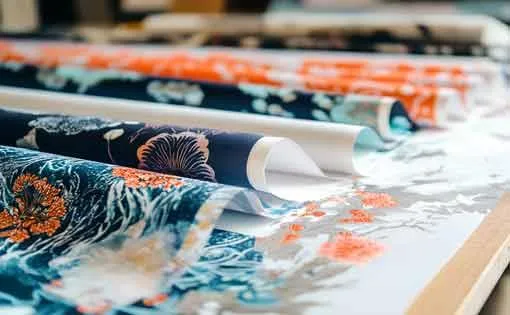
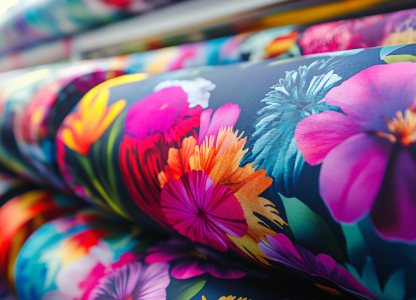
- Printable Transfers: Designs are printed (using inkjet, laser, or sublimation printers) onto special transfer paper, then applied to fabric. This allows for full-color images, gradients, and complex artwork.
The choice depends on your design needs, fabric type, and desired finish. For more on digital textile printing advancements, see this overview of digital textile printing innovations.
Choosing the Right Fabrics and Materials
Not all garments are equally suited for heat press printing. The best results are typically achieved on:
- 100% Cotton: Excellent for both vinyl and printable transfers, offering strong adhesion and vibrant color.
- Polyester and Blends: Suitable for sublimation and some printable transfers, but always check heat tolerance.
- Performance Fabrics: Use caution, as high heat can damage synthetic fibers. Specialized low-temp transfers are available.
For tips on maximizing print quality on cotton, see our article on how to achieve high resolution prints on cotton.
Tips for Getting Professional Results with Heat Press Printing
To ensure your garments look and feel professional, keep these best practices in mind:
- Follow Manufacturer Guidelines: Each transfer material has recommended settings for time, temperature, and pressure. Adhere to these for optimal results.
- Pre-Press Garments: Briefly press the blank garment before applying the transfer to remove moisture and wrinkles.
- Test First: Always test a sample before full production, especially when using new fabrics or transfer types.
- Proper Storage: Store transfers and vinyl in a cool, dry place to prevent degradation.
- Care Instructions: Advise customers to wash printed garments inside out and avoid high heat in dryers to extend print life.
Scaling Up: When to Consider Other Printing Methods
As your brand grows, you may find that heat press printing’s manual nature becomes a bottleneck for large orders. At this stage, exploring methods like rotary screen printing or direct-to-garment (DTG) can improve efficiency and lower per-unit costs for bulk production. For a deep dive into high-volume methods, see our resource on what is rotary screen printing for mass production.
Frequently Asked Questions
What equipment do I need to start heat press printing for a small clothing line?
You’ll need a heat press machine, transfer materials (such as vinyl or printable transfer paper), a printer or vinyl cutter (depending on your chosen method), and blank garments. Entry-level setups are affordable and require minimal space.
Is heat press printing durable enough for retail-quality apparel?
Yes, when applied correctly and using quality materials, heat press prints can withstand regular washing and wear. Following care instructions and using the right settings are key to longevity.
Can I use heat press printing on all types of fabrics?
Most cotton, polyester, and blends work well, but always test new fabrics. Some synthetics and specialty materials may require lower temperatures or special transfers to avoid damage.