Understanding food-safe packaging temperature tolerance is essential for anyone involved in food production, distribution, or retail. Packaging plays a crucial role in maintaining the safety, freshness, and quality of food products. If packaging materials are not suited to the temperatures they encounter during storage, transport, or preparation, they can fail—potentially leading to food spoilage, contamination, or even health risks for consumers.
This guide explores the key factors that determine how packaging materials respond to temperature changes, the most common types of food-safe packaging, and how businesses and consumers can make informed choices. Whether you’re a manufacturer, a food service provider, or simply want to ensure the safety of your meals at home, understanding these principles can help you avoid costly mistakes and protect your brand reputation.
For those interested in innovative approaches to packaging and materials, you may also find value in learning about how to print on cork and non-traditional materials, which can open new possibilities for food-safe solutions.
Why Temperature Tolerance Matters in Food Packaging
Food products are exposed to a wide range of temperatures throughout their lifecycle—from freezing during storage and transport to heating during preparation or serving. If packaging cannot withstand these temperature extremes, it may warp, melt, crack, or leach chemicals into the food. Such failures can compromise food safety and quality, leading to recalls, legal liabilities, and loss of consumer trust.
Key reasons temperature resistance is critical include:
- Preserving food integrity: Proper packaging prevents spoilage and maintains freshness by protecting against temperature fluctuations.
- Preventing contamination: Materials that break down or leach at certain temperatures can introduce harmful substances into food.
- Ensuring regulatory compliance: Food safety regulations often specify acceptable temperature ranges for packaging materials.
- Supporting diverse food applications: From frozen meals to hot takeout, packaging must perform reliably in different environments.
Common Food-Safe Packaging Materials and Their Temperature Ranges
There are several types of packaging materials used in the food industry, each with its own strengths and limitations regarding temperature resistance. Here’s a closer look at the most widely used options:

Plastic Packaging
Plastics are popular due to their versatility, lightweight nature, and cost-effectiveness. However, not all plastics are created equal when it comes to temperature resistance:
- Polyethylene Terephthalate (PET): Commonly used for beverage bottles and food trays, PET can typically withstand temperatures from -40°C to 70°C (-40°F to 158°F). It is not suitable for microwaving or high-heat applications.
- Polypropylene (PP): Often found in microwaveable containers, PP can tolerate temperatures up to 120°C (248°F), making it ideal for reheating food.
- Polystyrene (PS): Used in foam containers and disposable cutlery, PS is suitable for cold and room-temperature foods but can deform at temperatures above 90°C (194°F).
Glass Containers
Glass is inert and highly resistant to both high and low temperatures. It is suitable for freezing, baking, and microwaving. However, rapid temperature changes can cause thermal shock and breakage, so gradual heating and cooling are recommended.
Metal Packaging
Metals like aluminum and tinplate are used for cans, trays, and foils. They offer excellent temperature tolerance, withstanding both freezing and oven temperatures. However, acidic foods can react with some metals, so protective coatings are often applied.
Paper and Cardboard
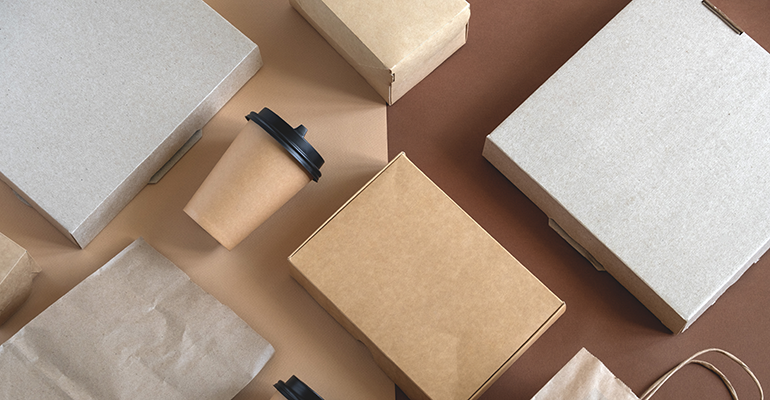
Paper-based packaging is widely used for dry foods, bakery items, and takeout. While it performs well at room temperature, it can lose strength and integrity when exposed to moisture or high heat. Some paper products are coated with plastic or wax to improve their resistance.
Factors Affecting Temperature Performance in Food Packaging
Several variables influence how well a packaging material can handle temperature extremes:
- Material composition: The chemical structure of the packaging determines its melting point, brittleness, and resistance to thermal degradation.
- Thickness and design: Thicker materials or those with insulating layers can offer better protection against temperature changes.
- Coatings and additives: Some packaging includes special coatings to enhance heat resistance or prevent moisture absorption.
- Intended use: Packaging for frozen foods, ready meals, or hot beverages will have different requirements and tolerances.
For a more detailed breakdown of material types and their properties, you can consult resources like this comprehensive overview of food packaging materials.
Best Practices for Selecting the Right Packaging
Choosing the right packaging for your food product involves more than just cost and appearance. Here are some practical steps to ensure your packaging meets the necessary temperature requirements:
- Identify the full temperature range: Consider every stage from production and storage to transport and end use. Will the packaging be frozen, microwaved, or exposed to high heat?
- Check regulatory guidelines: Ensure your packaging complies with food safety standards and regulations in your region.
- Test in real-world conditions: Conduct trials to verify that packaging maintains its integrity and does not leach harmful substances at the intended temperatures.
- Communicate with suppliers: Request detailed specifications and certifications for temperature tolerance from your packaging provider.
- Educate end users: Clearly label packaging with usage instructions, such as “microwave safe” or “not suitable for oven use.”
Emerging Trends and Innovations
The food packaging industry is constantly evolving, with new materials and technologies designed to improve safety and sustainability. Biodegradable plastics, compostable films, and advanced coatings are being developed to offer better temperature resistance while reducing environmental impact. Digital printing and smart packaging are also making it easier to provide clear, accurate information about safe usage and temperature limits.
For brands looking to stay ahead, exploring topics like the benefits of localized printing for global brands can provide additional insights into how packaging can be tailored for different markets and climates.
FAQ
What happens if food packaging is exposed to temperatures outside its tolerance range?
If packaging is subjected to temperatures beyond its design limits, it can warp, melt, crack, or release chemicals into the food. This can compromise food safety, cause spoilage, and lead to potential health risks for consumers.
How can I tell if a packaging material is safe for microwaving or freezing?
Look for clear labeling on the packaging, such as “microwave safe” or “freezer safe.” If in doubt, consult the manufacturer’s specifications or request documentation regarding the material’s temperature tolerance.
Are biodegradable or compostable packaging materials as temperature-resistant as traditional plastics?
Biodegradable and compostable materials are improving, but they may not always match the temperature performance of conventional plastics. It’s important to verify their suitability for your specific application and to test them under real-world conditions.
Where can I find more information about different types of food packaging materials?
For a detailed overview, refer to this guide to food packaging materials, which covers properties, uses, and safety considerations for various options.
Understanding the basics of food-safe packaging temperature tolerance helps ensure product safety and quality at every stage. By staying informed and choosing the right materials, food businesses and consumers alike can minimize risks and enjoy greater peace of mind.