Ink stains on delicate textiles can be a frustrating challenge. Whether it’s silk, chiffon, lace, or fine cotton, these materials require special care to avoid permanent marks or fabric damage. Understanding how to remove ink stains from delicate fabrics safely can help you preserve your favorite garments and home textiles without resorting to harsh chemicals or risky scrubbing.
This guide outlines proven methods, gentle cleaning agents, and step-by-step instructions to tackle ink marks while maintaining the integrity of fragile materials. If you’re interested in broader textile innovations, you might also find value in exploring what is the future of smart textiles and printing for insights into how technology is shaping fabric care and design.
Understanding the Nature of Ink Stains on Sensitive Materials
Ink is designed to be permanent, which makes it tough to remove, especially from fragile textiles. The composition of the ink—whether water-based, gel, or oil-based—affects the removal process. Delicate fabrics like silk, wool, and rayon are particularly vulnerable to color loss, distortion, or weakening when exposed to aggressive cleaning agents.
Before attempting any cleaning, always check the garment’s care label. If the item is labeled “dry clean only,” consult a professional cleaner. For washable items, it’s important to act quickly and use the gentlest approach first.
Essential Precautions Before Treating Ink on Fine Fabrics
To minimize the risk of damage, follow these precautions:
- Test cleaning solutions on an inconspicuous area before treating the stain directly.
- Blot, don’t rub. Rubbing can spread the ink and damage fibers.
- Use white, lint-free cloths or paper towels to avoid color transfer.
- Work from the outside of the stain inward to prevent spreading.
- Avoid heat (such as hot water or dryers) until the stain is fully removed, as heat can set ink permanently.
Step-by-Step Methods for Removing Ink from Delicate Fabrics
Here are several gentle techniques to address ink marks on sensitive textiles. Always start with the mildest solution and progress to stronger methods only if necessary.
1. Cold Water Rinse
For fresh stains, hold the affected area under cold running water. Allow the water to flow through the back of the fabric to push the ink out, rather than deeper into the fibers. Blot gently with a clean cloth. This simple step can often remove much of the ink before it sets.
2. Mild Soap Solution
Mix a few drops of gentle liquid detergent (such as baby shampoo or a product formulated for delicate fabrics) with cool water. Dab the solution onto the stain using a cotton swab or soft cloth. Blot, rinse with cold water, and repeat if needed. Avoid scrubbing, which can roughen or distort the fabric.
3. Alcohol-Based Solutions
For stubborn ink, small amounts of isopropyl alcohol or a non-oily alcohol-based hand sanitizer can be effective. Place a clean towel under the stained area. Lightly dab the ink with a cotton swab moistened with alcohol, working from the outside in. Blot and rinse thoroughly with cold water. Alcohol can be drying, so use sparingly and test first.
4. Glycerin and Dish Soap
Glycerin is gentle and helps loosen ink from fibers. Mix equal parts glycerin and mild dish soap, then apply to the stain. Let it sit for 10–15 minutes, then blot and rinse with cold water. This method is especially useful for older or set-in stains.
5. Commercial Stain Removers for Delicates
There are stain removers specifically designed for fragile textiles. Look for products labeled safe for silk, wool, or fine cotton. Always follow the manufacturer’s instructions and test on a hidden area first.
Special Considerations for Different Types of Delicate Fabrics
Each fabric type responds differently to cleaning methods. Here’s how to tailor your approach:
- Silk: Use only the mildest solutions and avoid prolonged soaking. Blot gently and air dry flat.
- Wool: Avoid hot water and agitation. Use cool water and gentle dabbing motions.
- Lace and Embroidered Fabrics: Support the fabric from underneath and avoid stretching. Use a soft cloth for blotting.
- Rayon and Modal: These fibers are prone to shrinking and distortion. Use minimal moisture and dry flat.
What to Avoid When Treating Ink on Fragile Textiles
Some common cleaning practices can do more harm than good on delicate materials. Avoid the following:
- Bleach or harsh chemicals, which can cause discoloration or fiber breakdown.
- Hot water, which can set ink and shrink fabric.
- Scrubbing or wringing, which can stretch or tear fragile fibers.
- Direct heat from irons or dryers before the stain is completely gone.

When to Seek Professional Cleaning Help
If the ink mark is large, old, or on a valuable item, it’s wise to consult a professional cleaner. Specialists have access to advanced techniques and solvents that are safe for fragile textiles. Always inform them about the type of ink and fabric for the best results.
Tips for Preventing Future Ink Mishaps
Prevention is often easier than removal. Here are some practical steps to protect your delicate garments:
- Keep pens and markers capped and away from clothing, especially when traveling or working.
- Store delicate items separately from office supplies or art materials.
- Wash hands after handling ink and before touching light-colored or fine fabrics.
- Consider using garment bags for extra protection during storage or transport.
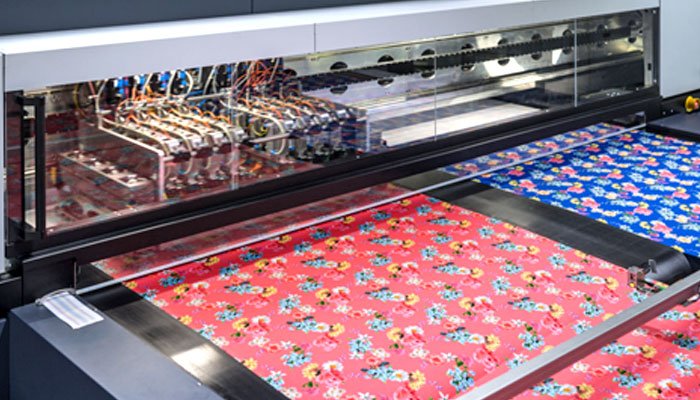
For those interested in the latest in textile technology and fabric care, digital textile printing innovations are making it easier to create and maintain beautiful, long-lasting designs on even the most sensitive materials.
Frequently Asked Questions
Can I use vinegar or baking soda to remove ink from delicate fabrics?
While vinegar and baking soda are common household cleaners, they are not recommended for fragile textiles. Vinegar is acidic and can weaken fibers, while baking soda is abrasive. Stick to gentle, fabric-safe solutions for the best results.
Is it safe to use hydrogen peroxide on silk or wool?
Hydrogen peroxide is a strong oxidizer and can bleach or damage delicate fibers like silk and wool. It’s best to avoid using it on these materials. Opt for milder cleaning agents and always test on a hidden area first.
What should I do if the ink stain doesn’t come out after several attempts?
If repeated gentle treatments don’t remove the mark, stop to avoid damaging the fabric. Take the item to a professional cleaner and let them know what methods you’ve already tried. They may have specialized products or techniques for safe removal.
By following these careful steps and using the right products, you can effectively address ink stains on delicate fabrics while preserving their beauty and longevity.