The convenience of reheating and cooking food in a microwave has made it a staple in homes, offices, and food service establishments. However, not all packaging is suitable for microwave use. Understanding food-safe packaging for microwaves is essential for both consumers and businesses to ensure food safety, maintain quality, and avoid health risks. This article explores the essentials of microwave-safe packaging, the materials involved, safety standards, and practical selection tips.
Whether you’re a food manufacturer, restaurant owner, or simply want to safely reheat leftovers, knowing which packaging options are safe for microwave use can help prevent contamination and preserve food quality. For those interested in the broader topic of food packaging, you can also learn more about food-safe packaging wraps and their specific applications.
Understanding Microwave-Safe Packaging Materials
Not every container or wrap is designed to withstand the unique conditions inside a microwave. Microwave-safe packaging must be able to tolerate rapid heating, steam, and pressure changes without melting, leaching chemicals, or breaking down. The most common materials used for this purpose include:
- Polypropylene (PP): This plastic is widely used for microwaveable trays, containers, and lids. It resists high temperatures and does not easily warp or release harmful substances.
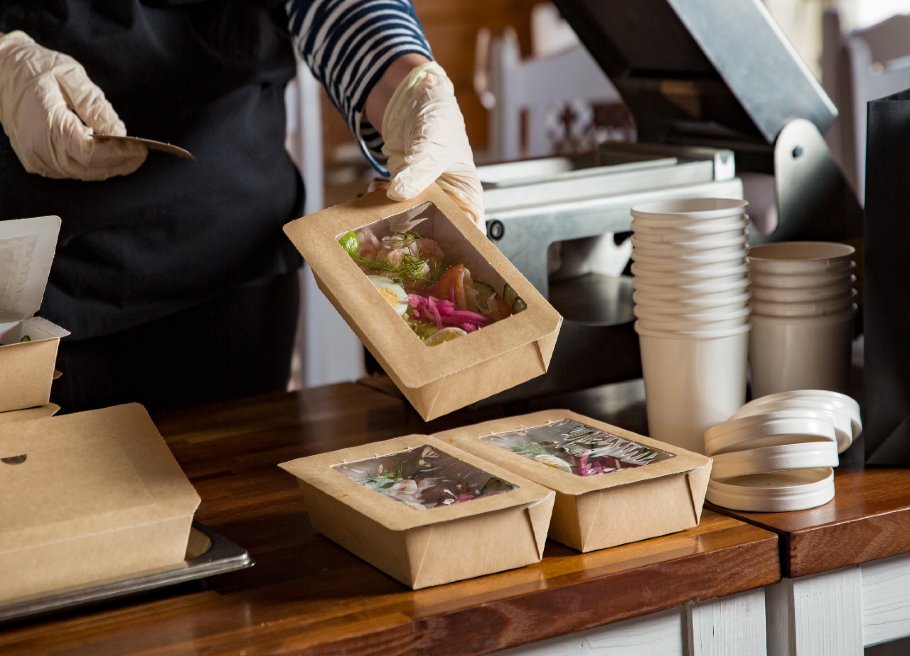
- Paperboard: Specially coated paperboard is often used for microwave meals and takeout containers. The coating prevents grease and moisture from soaking through while remaining safe under heat.
- Ceramic and Glass: While not always considered “packaging,” these materials are inherently safe for microwave use as long as they don’t have metallic decorations or trims.
- Silicone: Flexible and heat-resistant, silicone is increasingly used for reusable microwave containers and food wraps.
Key Safety Standards for Food-Safe Microwave Packaging
To be considered food-safe packaging for microwaves, materials must comply with strict safety standards set by regulatory bodies such as the U.S. Food and Drug Administration (FDA) and the European Food Safety Authority (EFSA). These standards ensure that packaging:
- Does not leach harmful chemicals into food when heated
- Maintains structural integrity at high temperatures
- Is free from toxic dyes, inks, and adhesives
- Is clearly labeled as microwave-safe by the manufacturer
Look for packaging that displays the microwave-safe symbol, which usually appears as a set of wavy lines or a microwave icon. If the packaging is not labeled, it’s best to avoid using it in the microwave.
Risks of Using Non-Microwave-Safe Packaging
Using containers or wraps not intended for microwave use can pose several risks:
- Chemical Migration: Some plastics and coatings may release harmful substances such as BPA, phthalates, or other toxins when heated.
- Melting or Warping: Non-microwave-safe plastics can melt, deform, or even catch fire, contaminating your food and damaging your microwave.
- Uneven Heating: Inappropriate packaging can cause hot spots or prevent food from heating evenly, increasing the risk of foodborne illness.
For a deeper dive into what makes packaging truly food-grade, see this comprehensive explanation of food-grade packaging requirements.
Types of Food-Safe Packaging for Microwave Applications
There are several types of microwave-safe food packaging designed for different uses:
- Takeout Containers: Many restaurants now use microwaveable containers for delivery and leftovers, allowing customers to reheat food directly.
- Meal Prep Trays: Ready-to-eat and frozen meals often come in divided trays made from heat-resistant plastics or coated paperboard.
- Food-Safe Bags and Wraps: Some bags and wraps are specifically engineered for microwave use, such as popcorn bags or steam-cooking pouches. For more details, see food-safe packaging bags.
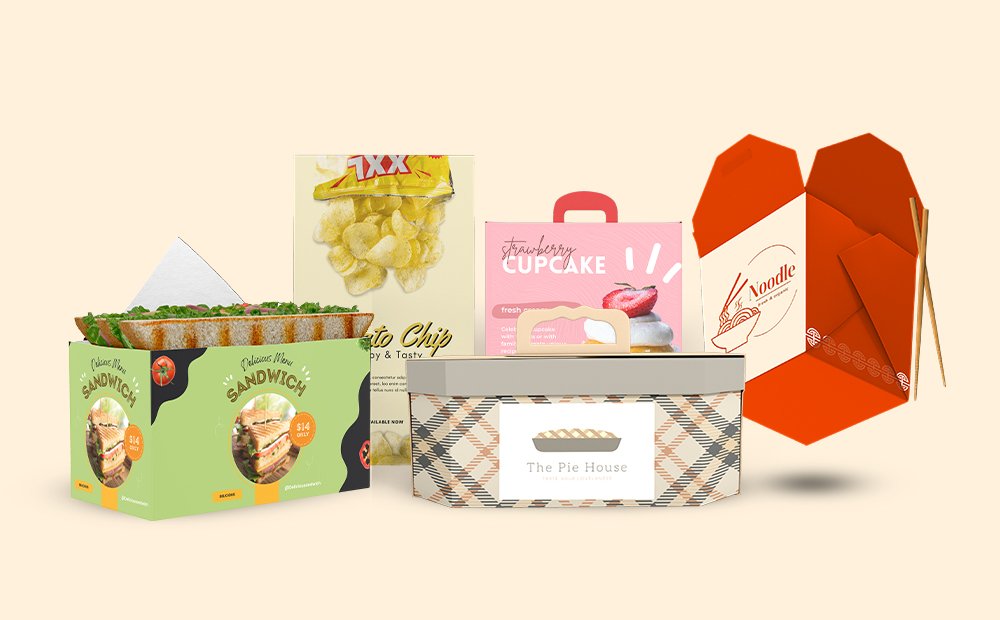
- Custom Boxes: Businesses can order branded, microwaveable boxes for takeout or meal kits. Learn more about food-safe packaging boxes for various applications.
How to Identify and Choose Safe Packaging for Microwave Use
Selecting the right packaging for microwave applications involves more than just checking for a symbol. Here are some practical tips:
- Check for Certification: Look for clear labeling such as “microwave-safe” or the microwave symbol. Avoid containers with no markings.
- Inspect Material Type: Polypropylene (PP) is generally safe, while polystyrene (PS) and polyvinyl chloride (PVC) should be avoided.
- Examine for Damage: Do not use cracked, warped, or discolored containers, as they may not be safe under heat.
- Avoid Metal: Never use packaging with metallic coatings, handles, or decorations in the microwave.
- Consider Reusability: Some containers are designed for single use only. Reusing them can increase the risk of chemical migration or breakdown.
For businesses looking for reliable suppliers, reviewing food-safe packaging suppliers can help ensure compliance and quality.
Best Practices for Using Microwave-Safe Food Packaging
Even when using packaging labeled as microwave-safe, following best practices can further reduce risks:
- Always vent lids or covers to allow steam to escape and prevent pressure buildup.
- Do not microwave food in containers that are intended for cold storage only.
- Avoid microwaving fatty or oily foods in plastic containers, as these can reach higher temperatures and increase the risk of leaching.
- Follow manufacturer instructions for maximum temperature and recommended use.
- Allow food to stand for a minute after microwaving to let heat distribute evenly.
Frequently Asked Questions
What symbols indicate that packaging is safe for microwave use?
Look for a symbol showing wavy lines or a microwave icon on the packaging. This indicates that the container has been tested and approved for microwave heating. If the packaging lacks any such symbol or clear labeling, it’s best not to use it in the microwave.
Can all plastic containers be used in the microwave?
No, only plastics specifically designed and labeled as microwave-safe should be used. Some plastics, such as polystyrene or PVC, can release harmful chemicals or melt when heated. Always check for microwave-safe labeling before use.
Is it safe to reuse takeout containers for microwaving?
It depends on the material and labeling. Single-use containers are not designed for repeated heating and may degrade or leach chemicals over time. If a container is labeled as microwave-safe and reusable, it can be used multiple times. Otherwise, it’s safer to transfer food to a container specifically made for microwave use.
Where can I find more information about food-safe liners for packaging?
For details on liners that help keep food safe during storage and heating, see this guide to food-safe packaging liners.