The safety of the food we eat is influenced not only by how it is prepared but also by how it is packaged. Food-safe packaging bags play a crucial role in protecting food from contamination, extending shelf life, and ensuring products reach consumers in optimal condition. Whether you run a food business, manage a restaurant, or simply want to understand more about the packaging that keeps your groceries fresh, knowing the essentials of these bags is important.
This article provides a clear overview of what makes packaging suitable for food, the different types available, and how to choose the right option for your needs. For a deeper dive into the broader topic, you may also find value in learning about types of food-safe packaging used by modern food businesses.

Understanding the Basics of Food-Safe Packaging Bags
Not all packaging is created equal, especially when it comes to items that come into direct contact with food. Food-safe packaging bags are specifically designed and manufactured to meet strict safety standards. These requirements ensure that no harmful chemicals or contaminants migrate from the bag into the food, even when exposed to heat, moisture, or acidic ingredients.
The materials used for these bags are carefully selected and tested for their inertness and durability. Regulatory bodies in many countries, such as the FDA in the United States or the EFSA in Europe, set guidelines for what constitutes food-grade packaging. Compliance with these standards is non-negotiable for any business involved in food production or distribution.
Key Materials Used in Safe Food Packaging
The choice of material is central to the safety and effectiveness of packaging for food. Here are some of the most common options:
- Polyethylene (PE): Widely used for its flexibility and resistance to moisture, making it ideal for bread, produce, and frozen foods.
- Polypropylene (PP): Known for its clarity and heat resistance, often used for snacks, bakery goods, and ready-to-eat meals.
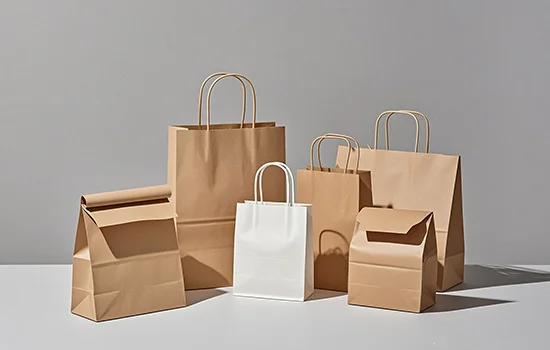
- Paper: Frequently coated or lined to prevent grease and moisture penetration, suitable for sandwiches, pastries, and dry goods.
- Biodegradable and compostable films: Increasingly popular for eco-conscious brands, these materials break down more easily after use.
- Aluminum foil laminates: Provide an effective barrier against light, oxygen, and moisture, commonly used for coffee, tea, and specialty foods.
Each material offers unique benefits and limitations. For example, while plastics provide excellent protection and visibility, paper is often favored for its sustainability and tactile appeal.
How to Identify Food-Safe Packaging Bags
When selecting packaging for food, look for clear signs that the product is suitable for direct contact. Here are some tips to help you identify compliant options:
- Certification labels: Look for marks such as “food grade,” “FDA approved,” or specific symbols indicating suitability for food contact.
- Material transparency: Reputable suppliers provide details about the materials used and their compliance with safety standards.
- Odor and taste neutrality: Bags should not impart any smell or flavor to the food.
- Supplier reputation: Purchase from trusted sources with a track record of supplying safe and compliant packaging.
For a more comprehensive overview of the different options, you may want to read about what is food-safe packaging and its importance in the food industry.
Benefits of Using Proper Packaging for Food Safety
Choosing the right packaging is about more than just compliance—it’s about protecting your product and your customers. Here are some of the main advantages:
- Prevents contamination: Quality bags act as a barrier against bacteria, dust, and other contaminants.
- Preserves freshness: Proper packaging slows down spoilage and helps maintain flavor, texture, and nutritional value.
- Improves shelf life: By controlling exposure to air and moisture, food stays safe and appealing for longer.
- Enhances presentation: Clear, attractive packaging can boost product appeal and brand perception.
- Supports compliance: Meeting regulatory requirements protects your business from legal risks and recalls.
Choosing the Right Bag for Your Food Product
Selecting the best packaging solution depends on several factors, including the type of food, expected shelf life, storage conditions, and branding goals. Here are some practical considerations:
- Food type: Wet, dry, hot, cold, and oily foods each require different packaging properties.
- Storage and transport: Will the product be frozen, refrigerated, or stored at room temperature? Will it be shipped long distances?
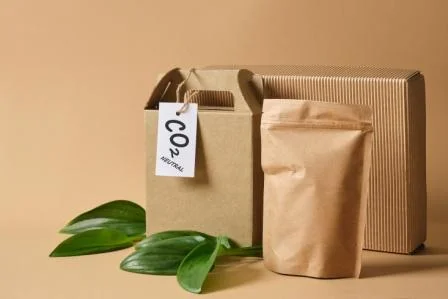
- Environmental impact: Consider recyclable, biodegradable, or compostable options if sustainability is a priority.
- Branding and labeling: Custom printing and clear windows can enhance shelf appeal and provide important information.
- Cost and availability: Balance quality and safety with budget constraints and supplier reliability.
For more details on the various materials used in the industry, you can explore this comprehensive guide to food packaging materials.
Common Applications in the Food Industry
Food-safe packaging bags are used across a wide range of sectors, from small bakeries to large-scale food manufacturers. Some typical applications include:
- Bakery items: Bread, pastries, and cookies often require moisture-resistant and greaseproof bags.
- Fresh produce: Perforated or breathable bags help maintain freshness and prevent spoilage.
- Meat and seafood: Vacuum-sealed or leak-proof bags are essential for hygiene and shelf life.
- Snacks and confectionery: Resealable and portion-sized bags enhance convenience and product protection.
- Takeaway and delivery: Sturdy, insulated bags keep food hot and intact during transport.
As packaging technology evolves, new solutions are emerging to address changing consumer preferences and regulatory demands. Staying informed about the latest trends and requirements is essential for any business in the food sector.
Frequently Asked Questions
What makes a packaging bag food-safe?
A bag is considered food-safe when it is made from materials that do not release harmful substances into food, even under heat or moisture. It must comply with relevant food safety regulations and be manufactured in hygienic conditions.
Can I use any plastic bag for food storage?
No, not all plastic bags are suitable for food contact. Only those labeled as food-grade or food-safe are guaranteed to meet the necessary safety standards. Using non-approved bags can risk contamination and health hazards.
Are biodegradable bags safe for food packaging?
Many biodegradable bags are designed for food use, but it is important to check for food-safe certification. Always verify that the bag is intended for direct contact with food and complies with local regulations.
How can I tell if a bag is suitable for hot foods?
Check the product specifications or ask the supplier for temperature resistance details. Some bags are specifically designed to withstand heat and are labeled accordingly.
Where can I find more information about food packaging materials?
You can find detailed explanations and comparisons in resources like this guide to types of food packaging materials, which covers plastics, paper, metals, and more.