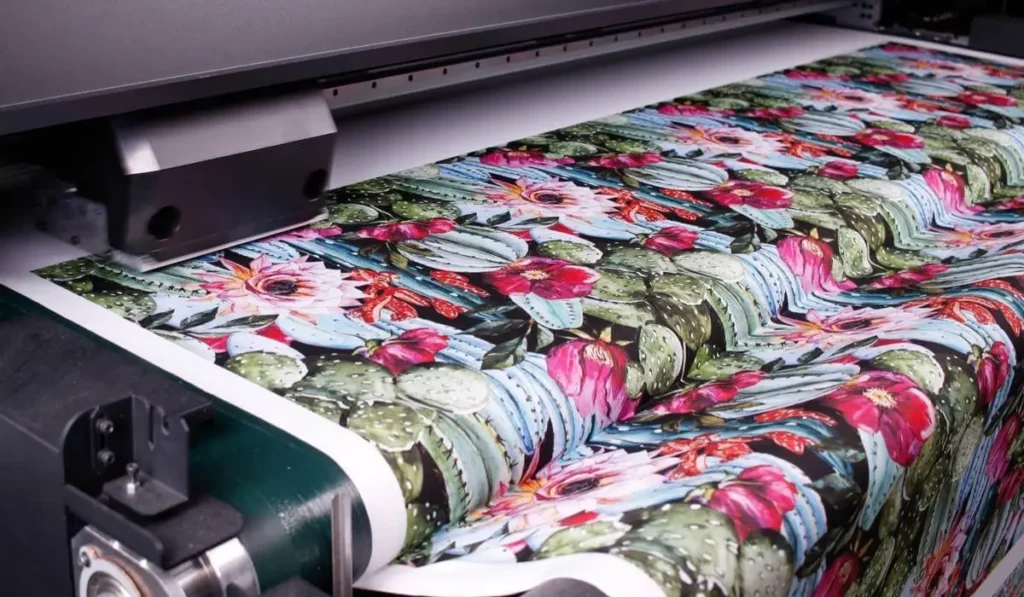
As sustainability becomes a top priority in the fashion and textile industries, brands are increasingly seeking alternatives to conventional dyeing methods. One promising solution is the adoption of bio-based textile dyes, which are derived from renewable biological sources rather than petroleum-based chemicals. These innovative dyes offer a range of advantages for companies aiming to reduce their environmental impact while meeting the growing demand for eco-friendly products.
In this article, we’ll explore the key benefits of using bio-based textile dyes, how they compare to traditional options, and why they are gaining traction among environmentally responsible brands. For those interested in the tactile qualities of sustainable printing, you may also want to learn about what is soft hand feel in garment printing and how it complements eco-friendly dyeing methods.
What Are Bio-Based Textile Dyes?
Bio-based dyes are colorants produced from natural, renewable resources such as plants, algae, bacteria, or agricultural byproducts. Unlike synthetic dyes, which are typically made from petrochemicals, these dyes utilize materials that are biodegradable and often sourced from waste streams or sustainably grown crops. This approach not only reduces reliance on fossil fuels but also minimizes the environmental footprint of the dyeing process.
The use of bio-based dyes is not a new concept—natural dyes have been used for centuries. However, recent advancements in biotechnology and green chemistry have enabled the development of more vibrant, colorfast, and scalable bio-based solutions suitable for modern textile manufacturing.
Environmental Advantages of Bio-Based Dyes
One of the most significant benefits of using bio-based textile dyes is their positive impact on the environment. Here are some of the main ecological advantages:
- Reduced Chemical Pollution: Traditional dyeing processes often release hazardous chemicals into water systems, leading to pollution and health risks. Bio-based dyes, on the other hand, are typically less toxic and more biodegradable, resulting in cleaner wastewater and reduced environmental harm.
- Lower Carbon Footprint: Since these dyes are derived from renewable resources, their production generates fewer greenhouse gas emissions compared to petroleum-based alternatives. This helps brands lower their overall carbon footprint.
- Resource Efficiency: Many bio-based dyes are produced from agricultural waste or byproducts, making efficient use of materials that would otherwise be discarded. This circular approach supports a more sustainable supply chain.
- Biodegradability: After use, bio-based dyes break down more easily in the environment, reducing the risk of long-term contamination.
Performance and Quality Considerations
While sustainability is a major driver, brands must also consider the performance of their dyes. Thanks to recent innovations, many bio-based dyes now offer:
- Vibrant Colors: Advances in extraction and formulation have enabled a broader color palette, rivaling that of synthetic dyes.
- Colorfastness: Modern bio-based solutions are engineered for durability, ensuring that colors remain vivid after repeated washing and exposure to light.
- Compatibility: These dyes can be used on a variety of natural and synthetic fibers, making them versatile for different textile applications.
For brands concerned about maintaining product quality, today’s bio-based dyes can meet or exceed many industry standards, making them a practical choice for commercial production.
Market Appeal for Eco-Conscious Consumers
As consumers become more aware of the environmental impact of their purchases, demand for sustainable products continues to rise. Brands that adopt bio-based dyeing techniques can leverage several marketing advantages:
- Transparency: Using renewable dyes allows brands to communicate a clear sustainability story, which resonates with environmentally minded shoppers.
- Certifications: Many bio-based dyes can help brands achieve eco-labels and certifications, such as GOTS or OEKO-TEX, which further enhance consumer trust.
- Brand Differentiation: Offering garments colored with bio-based dyes sets brands apart in a crowded market, appealing to those who prioritize ethical and green choices.

Comparing Bio-Based and Synthetic Dyeing Methods
To fully appreciate the advantages of bio-based textile dyes, it’s helpful to compare them with conventional synthetic options:
| Aspect | Bio-Based Dyes | Synthetic Dyes |
|---|---|---|
| Source | Renewable (plants, algae, bacteria) | Petrochemicals |
| Environmental Impact | Low, biodegradable, less pollution | High, toxic effluents, persistent waste |
| Color Range | Expanding, vibrant with new tech | Extensive, established |
| Cost | Decreasing with scale | Generally lower, but rising with regulations |
| Certifications | Supports eco-labels | May not qualify for green certifications |
As technology advances, the gap in performance and cost between these two dyeing methods continues to narrow, making bio-based options increasingly attractive for forward-thinking brands.
Challenges and Considerations for Adoption
While the benefits of using bio-based textile dyes are clear, there are some challenges to consider:
- Supply Chain: Sourcing consistent, high-quality bio-based dyes can be more complex than purchasing synthetic alternatives, especially at scale.
- Cost: Although prices are decreasing, bio-based dyes may still carry a premium compared to conventional dyes, particularly for niche colors.
- Technical Expertise: Implementing new dyeing processes may require training and adjustments to existing equipment.
Despite these hurdles, many brands find that the long-term environmental and market benefits outweigh the initial investment. Collaboration with suppliers and ongoing research are helping to address these challenges.
Innovations and Future Trends in Sustainable Dyeing
The field of sustainable textile coloration is rapidly evolving. Some of the most exciting developments include:
- Microbial Dyes: Engineered bacteria and fungi are being used to produce a wider range of colors with minimal waste.
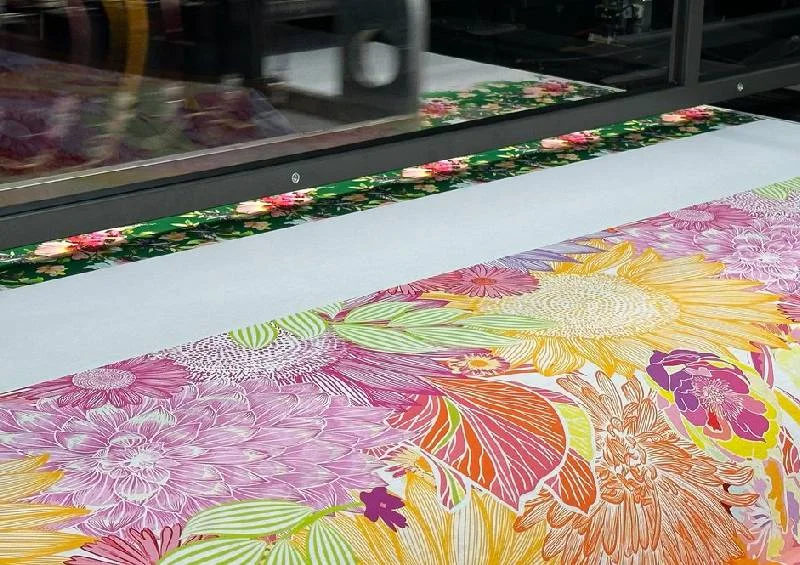
- Digital Printing: Technologies such as digital textile printing, discussed in detail in this comprehensive overview of digital textile printing for sustainability, are enabling precise application of bio-based inks, reducing water and energy use.
- Closed-Loop Systems: Water and dye recovery systems are being integrated to further minimize waste and environmental impact.
These innovations are making it easier for brands to adopt eco-friendly dyeing practices and meet the expectations of conscious consumers.
Integrating Bio-Based Dyes Into Your Brand Strategy
For brands considering a shift to more sustainable dyeing methods, here are some practical steps:
- Assess Your Supply Chain: Identify suppliers who offer certified bio-based dyes and evaluate their sustainability credentials.
- Test and Iterate: Conduct trials to ensure color quality and performance meet your standards.
- Communicate Your Commitment: Share your sustainability journey with customers through transparent labeling and marketing.
- Stay Informed: Keep up with industry trends and innovations to maintain your competitive edge.
Adopting bio-based dyes is not only a responsible environmental choice but also a strategic move for brands aiming to lead in the sustainable fashion space. For additional insights on optimizing your production model, you might explore the benefits of micro-factory models for fashion printing.
Frequently Asked Questions
Are bio-based textile dyes as durable as synthetic dyes?
Yes, many modern bio-based dyes are engineered for high colorfastness and durability. Advances in formulation have made them suitable for commercial use, with performance that often matches or exceeds that of synthetic dyes, especially on natural fibers.
Do bio-based dyes work on all types of fabrics?
Bio-based dyes are compatible with a wide range of fibers, including cotton, linen, silk, and some synthetics. However, results may vary depending on the specific dye and fabric type, so it’s important to conduct testing for optimal results.
Is switching to bio-based dyes cost-effective for small brands?
While initial costs may be higher, the long-term benefits—such as reduced environmental fees, improved brand reputation, and access to eco-conscious markets—can make the investment worthwhile. As demand grows and technology advances, prices are expected to become even more competitive.