The evolution of 3D printing is transforming the landscape of manufacturing and production across industries. As additive manufacturing technologies become more accessible and advanced, businesses are rethinking traditional workflows, supply chains, and product development cycles. Understanding how 3D printing shapes future manufacturing is essential for companies seeking to remain competitive and innovative.
From rapid prototyping to on-demand production, this technology is unlocking new possibilities for customization, efficiency, and sustainability. The impact is already visible in sectors like aerospace, automotive, healthcare, and fashion, where 3D-printed components and products are becoming increasingly common. For those interested in garment production, exploring topics such as what is soft hand feel in garment printing can provide further insight into how digital technologies are influencing material outcomes.
The Rise of Additive Manufacturing in Industry
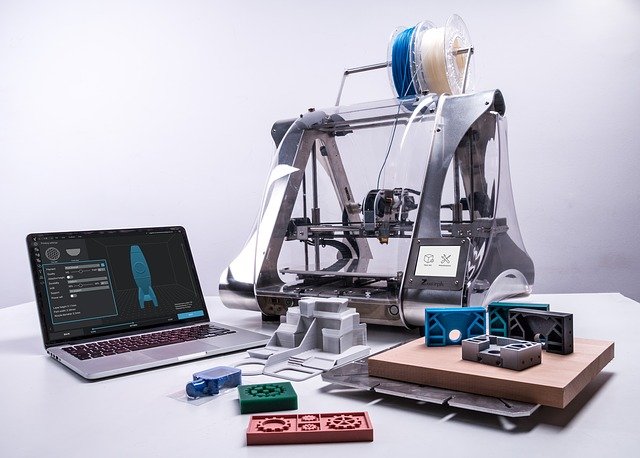
Additive manufacturing, commonly known as 3D printing, refers to the process of creating objects layer by layer from digital models. Unlike traditional subtractive methods, which remove material to form a part, additive techniques build up structures with precision and minimal waste. This shift is a cornerstone in how 3D printing shapes future manufacturing by enabling new approaches to design and production.
Industrial adoption of 3D printing has accelerated due to improvements in printer speed, material diversity, and cost-effectiveness. Companies can now produce prototypes, tooling, and even end-use parts directly from CAD files. This flexibility reduces lead times and allows for rapid iteration, which is particularly valuable in industries where innovation cycles are short.
For example, the automotive sector leverages 3D printing for lightweight components and custom fixtures, while aerospace manufacturers use it to produce complex, high-strength parts that would be difficult or impossible to fabricate with conventional techniques.
Key Benefits Driving the Transformation of Production
The advantages of 3D printing extend far beyond speed and flexibility. Some of the most significant benefits include:
- Customization: Products can be tailored to individual specifications without the need for expensive retooling or molds. This is particularly valuable in healthcare, where patient-specific implants and prosthetics are becoming the norm.
- Supply Chain Simplification: On-demand production reduces the need for large inventories and complex logistics. Manufacturers can produce parts closer to the point of use, minimizing shipping costs and delays.
- Material Efficiency: Additive processes use only the material required for the part, leading to less waste compared to traditional manufacturing.
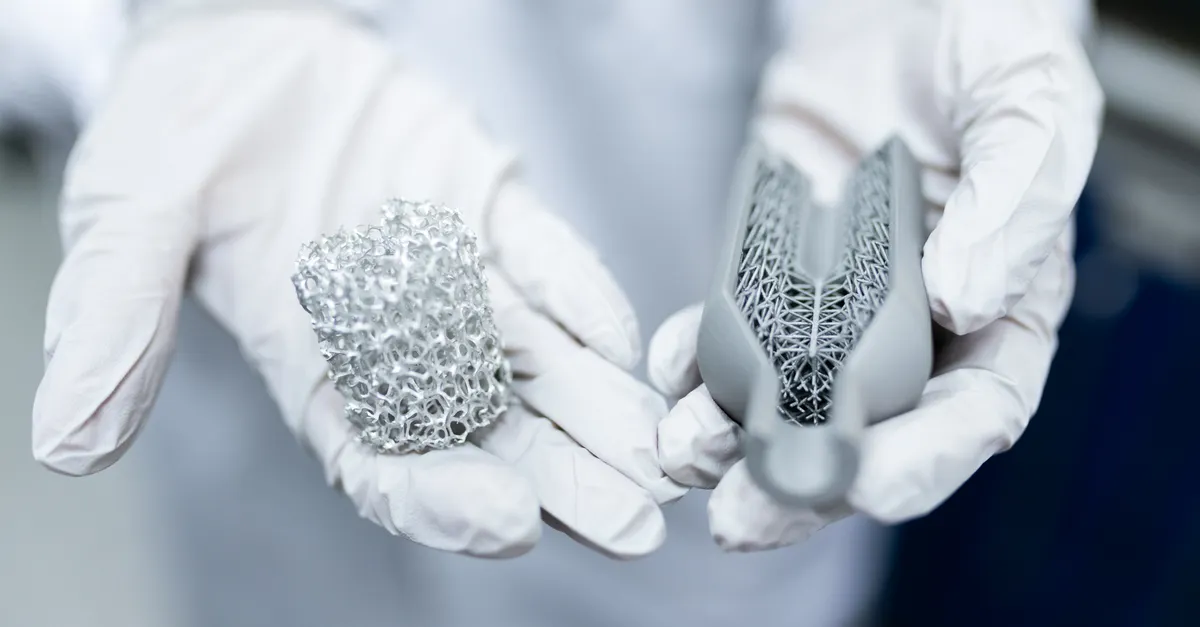
- Design Freedom: Engineers can create intricate geometries and lightweight structures that are difficult or impossible to achieve with subtractive methods.
- Sustainability: Reduced waste and localized production contribute to a smaller environmental footprint.
These benefits are reshaping how businesses approach product development and market responsiveness. For small fashion labels, digital production models such as benefits of micro-factory models for fashion printing illustrate how agile, technology-driven workflows can offer a competitive edge.
Applications Across Sectors: From Prototyping to End-Use Parts
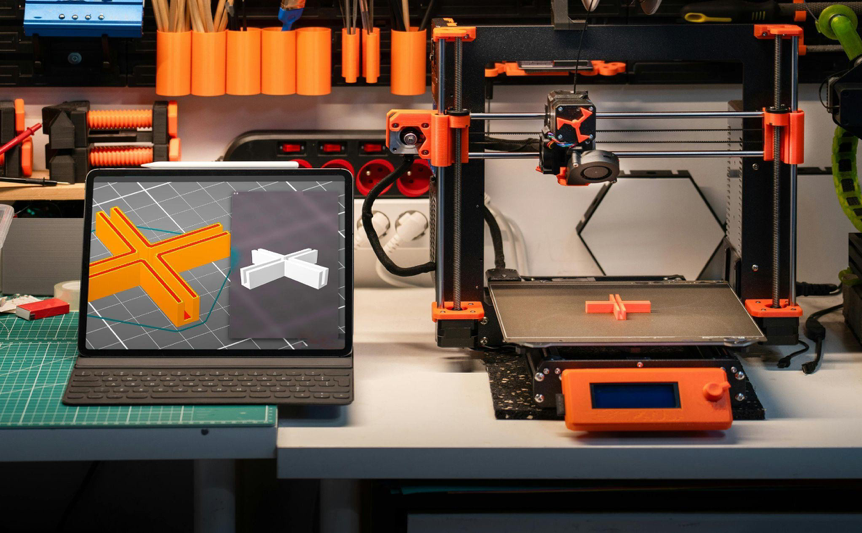
The versatility of 3D printing is evident in its wide range of applications. In product design, rapid prototyping allows teams to test concepts quickly and cost-effectively. In manufacturing, additive technologies are increasingly used for producing jigs, fixtures, and even final components.
In the medical field, 3D-printed implants and surgical guides are tailored to individual patients, improving outcomes and reducing surgery times. The construction industry is experimenting with large-scale printers to build homes and infrastructure with reduced labor and material costs.
Fashion and consumer goods companies are also adopting 3D printing for bespoke items and limited-run collections. By leveraging digital workflows, brands can respond to trends faster and offer unique products that stand out in the market. For those interested in the intersection of digital and traditional techniques, comparing what is embroidery vs printing for brand logos can highlight the expanding toolkit available to designers.
How 3D Printing Shapes Future Manufacturing: Trends and Innovations
As the technology matures, several trends are emerging that will further influence the future of manufacturing:
- Material Expansion: New materials, including advanced polymers, composites, and metals, are broadening the range of possible applications.
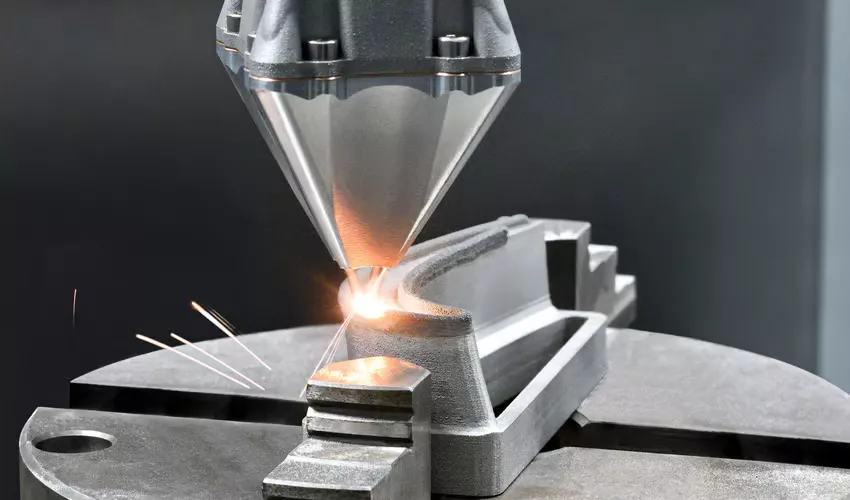
- Hybrid Manufacturing: Combining additive and subtractive processes enables manufacturers to optimize both speed and precision.
- Automation and Integration: 3D printing is being integrated into automated production lines, streamlining workflows and reducing manual intervention.
- Decentralized Production: Distributed manufacturing networks allow for localized production, reducing transportation needs and enabling rapid response to market demands.
- Digital Inventory: Companies are moving toward storing digital files instead of physical stock, producing parts as needed and minimizing storage costs.
These innovations are not only changing how products are made but also how businesses operate. For example, the adoption of micro-factory models and direct-to-consumer production strategies is making it easier for startups and small businesses to enter the market with minimal upfront investment.
Challenges and Considerations for Adopting Additive Manufacturing
While the benefits are significant, there are challenges to widespread adoption. Material costs, printer maintenance, and the need for skilled operators can be barriers for some organizations. Quality assurance and repeatability are also critical, especially for industries with strict regulatory requirements.
Intellectual property concerns arise as digital files become the basis for production. Companies must ensure their designs are protected and that supply chains remain secure. Additionally, integrating additive manufacturing with existing systems requires thoughtful planning and investment.
For those dealing with traditional printing challenges, learning how to address issues such as how to remove ghost images from printing screens can provide useful context for managing quality in both digital and analog environments.
Resources and Further Reading on 3D Printing’s Impact
Staying informed about the latest developments is crucial for businesses and individuals interested in the future of production. Comprehensive resources, such as this overview of 3D printing trends and applications, offer valuable insights into current capabilities and future directions.
As additive manufacturing continues to evolve, its influence on supply chains, design processes, and market strategies will only grow. Companies that embrace these changes are likely to benefit from increased agility, innovation, and sustainability.
FAQ: 3D Printing and the Future of Manufacturing
What industries are most impacted by 3D printing advancements?
Sectors such as aerospace, automotive, healthcare, and consumer goods have seen significant transformation due to additive manufacturing. These industries benefit from rapid prototyping, lightweight components, and the ability to produce complex or customized parts efficiently.
How does 3D printing contribute to sustainability in manufacturing?
Additive manufacturing reduces material waste by using only what is needed for each part. It also enables localized production, which can decrease transportation emissions and energy use. Additionally, digital inventory reduces the need for large warehouses and excess stock.
Is 3D printing suitable for mass production?
While traditionally used for prototyping and small batches, advances in printer speed and automation are making 3D printing increasingly viable for larger-scale production. Hybrid manufacturing approaches, where additive and traditional methods are combined, are especially promising for scaling up output.