Adding tactile dimension to fabrics is a powerful way to elevate textile projects, whether for fashion, home décor, or custom merchandise. Flocking powder offers a unique solution for achieving soft, velvety surfaces and intricate raised patterns on a variety of textiles. This guide explores how to use flocking powder for textile textures, providing practical steps, tips, and inspiration for both beginners and experienced creators.
Understanding the fundamentals of flocking and how it interacts with different fabrics can help you unlock new creative possibilities. If you’re interested in achieving a soft hand feel in garment printing or want to experiment with specialty finishes, flocking is a versatile technique worth exploring.
What Is Flocking Powder and How Does It Work?
Flocking powder consists of finely cut fibers, usually made from nylon, rayon, or polyester. When applied to a sticky surface, these fibers create a plush, suede-like finish. In textile applications, flocking powder is typically used with an adhesive to create raised, textured designs on fabric. The technique can be applied by hand for small projects or with specialized equipment for larger-scale production.
The process involves applying adhesive in the desired pattern, then distributing the flocking fibers so they stand upright and adhere to the glue. Once the adhesive cures, the excess powder is removed, leaving behind a durable, textured surface. This method is popular in both custom garment printing and decorative crafts.
Essential Tools and Materials for Flocking Textiles
Before starting your flocking project, gather the following supplies:
- Flocking powder in your chosen color and fiber type
- Textile adhesive suitable for the fabric you’re using
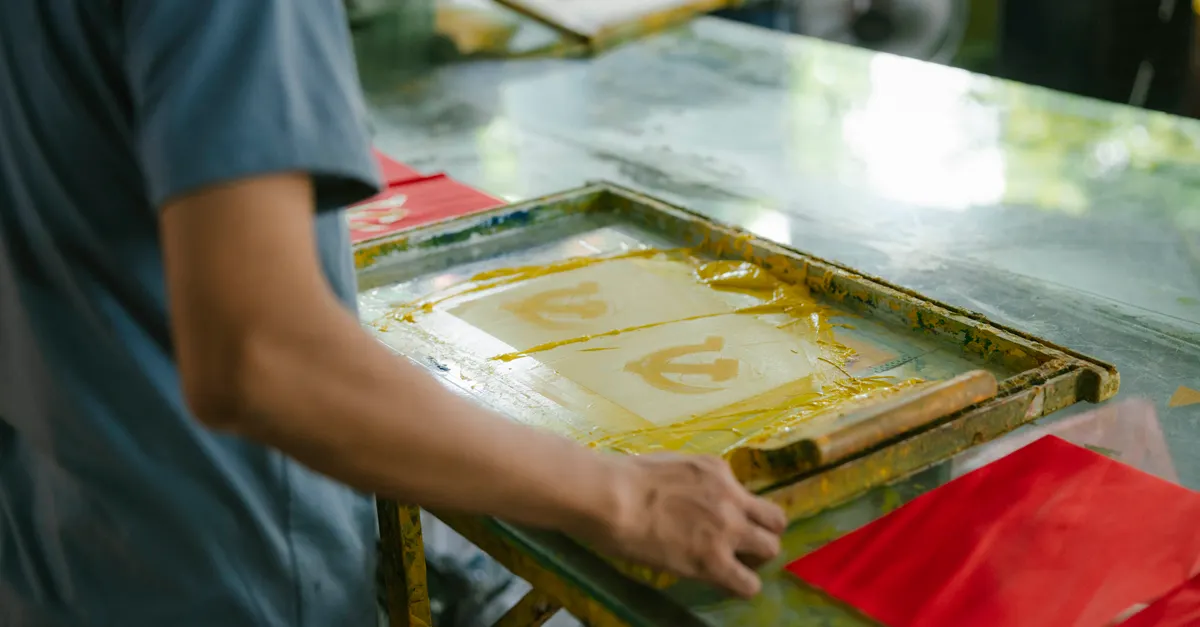
- Applicator tools (brushes, spatulas, or screen printing frames)
- Protective gloves and a dust mask (to avoid inhaling fibers)
- A tray or container for catching excess flocking powder
- Soft brush or vacuum for cleaning up loose fibers
For more advanced or commercial applications, electrostatic flocking machines are used to ensure the fibers stand upright and achieve an even, professional finish. However, many creative projects can be accomplished with basic hand tools and careful technique.
Step-by-Step Guide: Applying Flocking Powder for Unique Fabric Effects
Follow these steps to achieve striking textile textures with flocking powder:
- Prepare the Fabric: Wash and dry your fabric to remove any sizing, oils, or residues. Lay the fabric flat on a clean, protected surface.
- Apply Adhesive: Use a brush, stencil, or screen printing frame to apply textile adhesive in the desired pattern. Work quickly, as some adhesives dry fast.
- Distribute the Flocking Powder: Sprinkle or sift flocking powder generously over the adhesive. For best results, hold the fabric over a tray to catch excess fibers for reuse.
- Press and Set: Gently press the powder into the adhesive with a clean sheet of paper or a soft roller. If using an electrostatic applicator, follow the manufacturer’s instructions for optimal fiber orientation.
- Allow to Cure: Let the adhesive dry completely, following the product’s recommended curing time. Avoid disturbing the area during this period.
- Remove Excess Powder: Shake off loose fibers, then use a soft brush or vacuum to clean up any remaining flocking powder.
Once complete, your fabric will have a raised, velvety texture that stands out visually and to the touch. For more tips on preparing your materials, see this resource on how to prepare silk screens for fine lines, which can be adapted for flocking stencils and detailed patterns.
Creative Applications and Design Ideas
Flocking powder can be used to add interest to a wide range of textile projects:
- Custom t-shirts and sweatshirts with raised logos or lettering
- Decorative pillows, curtains, and upholstery with tactile patterns
- Fashion accessories such as hats, bags, or shoes
- Children’s clothing with playful, touchable designs
- Artistic wall hangings and mixed-media artwork
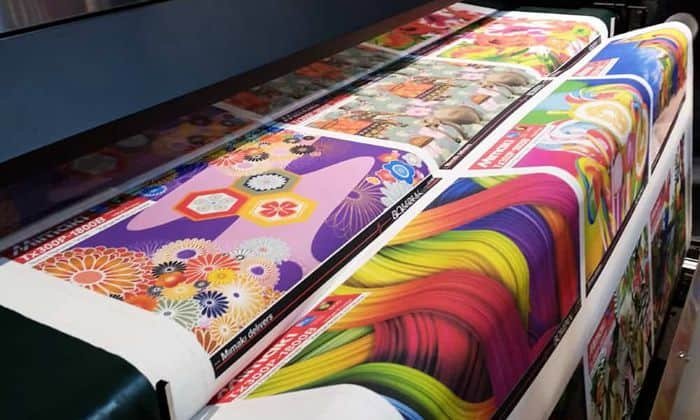
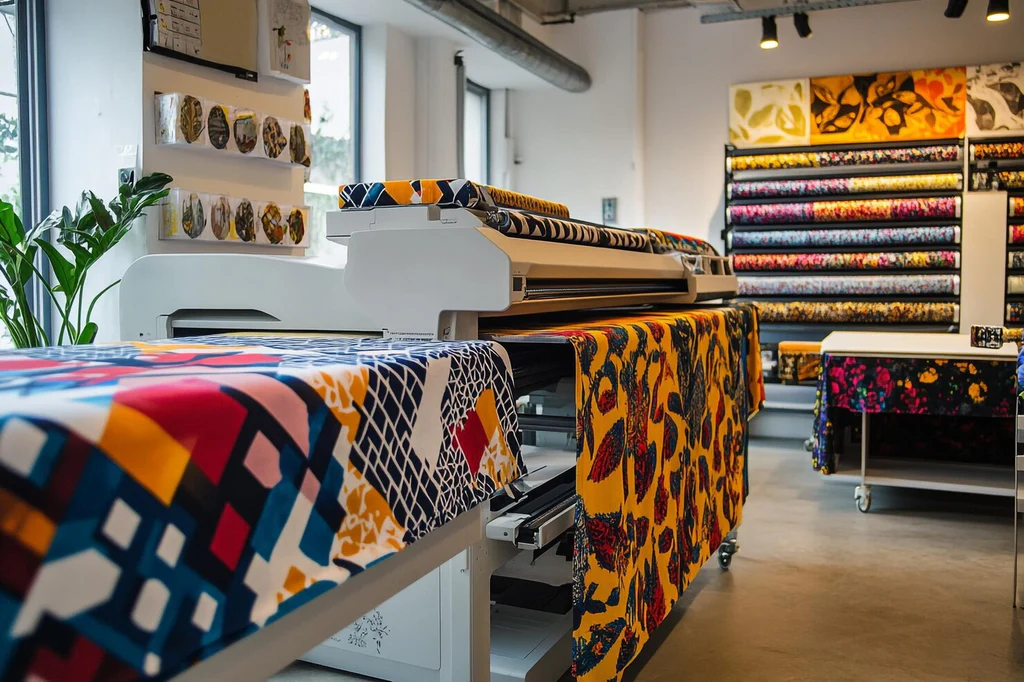
Experiment with different colors, fiber lengths, and adhesive patterns to create unique effects. Combining flocking with other techniques, such as digital printing or embroidery, can result in multi-dimensional, eye-catching results. For inspiration on combining modern printing methods with specialty finishes, explore the future of fabric production through digital textile printing.
Tips for Achieving the Best Results with Flocking Powder
To get the most out of your flocking projects, keep these practical tips in mind:
- Test on a scrap piece first: Different fabrics and adhesives interact in unique ways. Testing helps avoid surprises on your final piece.
- Work in a dust-free environment: Flocking fibers are lightweight and can be affected by air movement or static.
- Use the right adhesive: Not all glues are suitable for textiles. Choose adhesives labeled for fabric and compatible with flocking.
- Allow full curing time: Rushing the drying process can lead to patchy or uneven flocking.
- Care for flocked fabrics gently: Hand wash or use a delicate cycle, and avoid harsh detergents or high heat.
For those interested in sustainable and efficient production, consider learning about the benefits of micro-factory models for fashion printing, which can integrate specialty techniques like flocking into agile workflows.
Common Mistakes to Avoid When Creating Textile Textures
Even experienced crafters can encounter challenges when working with flocking powder. Here are some pitfalls to watch out for:
- Using too little adhesive: Insufficient glue can cause patchy coverage and poor fiber adhesion.
- Applying flocking powder unevenly: Inconsistent distribution leads to thin or bare spots in the design.
- Disturbing the design before curing: Moving or touching the flocked area before it’s fully dry can ruin the effect.
- Skipping protective gear: Always wear a dust mask and gloves to avoid inhaling fibers or irritating your skin.
Proper preparation and patience are key to successful flocking. If you run into issues with ghosting or residue on your printing screens, check out this advice on how to remove ghost images from printing screens to keep your tools in top condition.
Integrating Flocking with Other Textile Techniques
Combining flocking with other surface treatments can yield impressive results. For example, pairing flocked elements with screen printing, digital prints, or embroidery allows for complex, layered designs that stand out in both look and feel. If you’re deciding between embellishment methods, you might find it helpful to compare embroidery vs printing for brand logos to determine the best approach for your project.
Flocking is also compatible with a variety of fabrics, from cotton and polyester to synthetics and blends. Always check the compatibility of your adhesive and flocking powder with the specific material you’re using for optimal results.
Frequently Asked Questions
Can flocking powder be used on any type of fabric?
Most natural and synthetic fabrics can be flocked, but results vary based on the weave, stretch, and finish of the material. Smooth, tightly woven fabrics tend to produce the cleanest flocked designs, while heavily textured or stretchy fabrics may require special adhesives or techniques.
Is flocked fabric washable and durable?
Flocked textiles are generally durable when properly cured and cared for. Hand washing or using a gentle machine cycle is recommended. Avoid high heat and harsh chemicals, as these can degrade the adhesive and fibers over time.
What is the difference between flocking and other raised textile finishes?
Flocking creates a soft, velvety texture using short fibers, while other raised finishes—such as puff ink or embroidery—use different materials and processes. Flocking is unique for its tactile feel and ability to cover large or intricate areas with a uniform, plush surface.
By mastering how to use flocking powder for textile textures, you can add a new dimension to your creative projects and produce fabrics that are as interesting to touch as they are to see. Whether for personal crafts or professional production, flocking offers a versatile and rewarding technique for textile design.