The growing demand for sustainable solutions has led to a significant shift in how food is packaged and preserved. Biodegradable films in food packaging are at the forefront of this transformation, offering an eco-friendly alternative to conventional plastics. These materials are designed to break down naturally, reducing environmental impact and supporting the global push for greener practices in the food industry.
Understanding the science, benefits, and challenges of these innovative films is essential for manufacturers, retailers, and consumers alike. Whether you are seeking to reduce your carbon footprint or comply with evolving regulations, exploring the latest in sustainable packaging can help you make informed decisions. For those interested in safe storage solutions, our detailed food-safe packaging for refrigerators guide offers additional insights into maintaining food quality.

What Are Biodegradable Films?
Biodegradable films are thin layers of material used to wrap, protect, or contain food products. Unlike traditional plastic films, these are made from natural or renewable resources such as starch, cellulose, polylactic acid (PLA), or other biopolymers. When disposed of properly, they decompose through the action of microorganisms, leaving behind water, carbon dioxide, and biomass.
The main goal of these films is to minimize the environmental impact associated with food packaging waste. As they break down more quickly than petroleum-based plastics, they help reduce landfill accumulation and pollution.
Types of Biodegradable Packaging Films
There are several varieties of biodegradable films used in the food industry, each with unique properties and applications:
- Starch-Based Films: Derived from corn, potato, or tapioca starch, these films are compostable and often used for wrapping fruits, vegetables, and bakery items.
- Cellulose Films: Made from plant fibers, cellulose-based options offer excellent transparency and breathability, making them suitable for fresh produce.
- Polylactic Acid (PLA) Films: Sourced from fermented plant sugars, PLA films are popular for their clarity and strength, commonly used for snack and confectionery packaging.
- Protein-Based Films: Produced from soy, whey, or gelatin, these films are edible and can be used for specialty food applications.
Each type offers distinct advantages in terms of barrier properties, shelf life, and compostability. Selection depends on the specific needs of the food product and the desired end-of-life scenario for the packaging.
Benefits of Using Biodegradable Films in Food Packaging
Adopting biodegradable films in food packaging brings several advantages for businesses and the environment:
- Reduced Environmental Impact: These films break down naturally, lowering the volume of persistent plastic waste in landfills and oceans.
- Renewable Resources: Most biodegradable materials are sourced from plants or other renewable inputs, supporting sustainable agriculture and reducing reliance on fossil fuels.
- Compliance with Regulations: As governments introduce stricter packaging standards, using biodegradable options helps companies meet legal requirements and avoid penalties.
- Positive Brand Image: Eco-friendly packaging appeals to environmentally conscious consumers, enhancing brand reputation and loyalty.
- Potential for Composting: Some films are suitable for industrial or home composting, returning valuable nutrients to the soil.
For more information on packaging material standards, you can refer to this comprehensive guide to food-grade packaging materials requirements.
Challenges and Considerations with Biodegradable Food Films
While the benefits are clear, there are also challenges to consider when switching to biodegradable films:
- Cost: Biodegradable options are often more expensive than conventional plastics due to raw material costs and production processes.
- Performance Limitations: Some films may have lower moisture or oxygen barrier properties, potentially affecting food shelf life.
- Composting Infrastructure: Not all regions have access to industrial composting facilities, which can limit the environmental benefits of certain films.
- Consumer Awareness: Proper disposal is essential for biodegradation. Educating consumers about how to dispose of these materials is crucial.
Companies must weigh these factors alongside their sustainability goals and operational requirements. Consulting resources like a food-safe packaging selection guide can help in making informed choices.
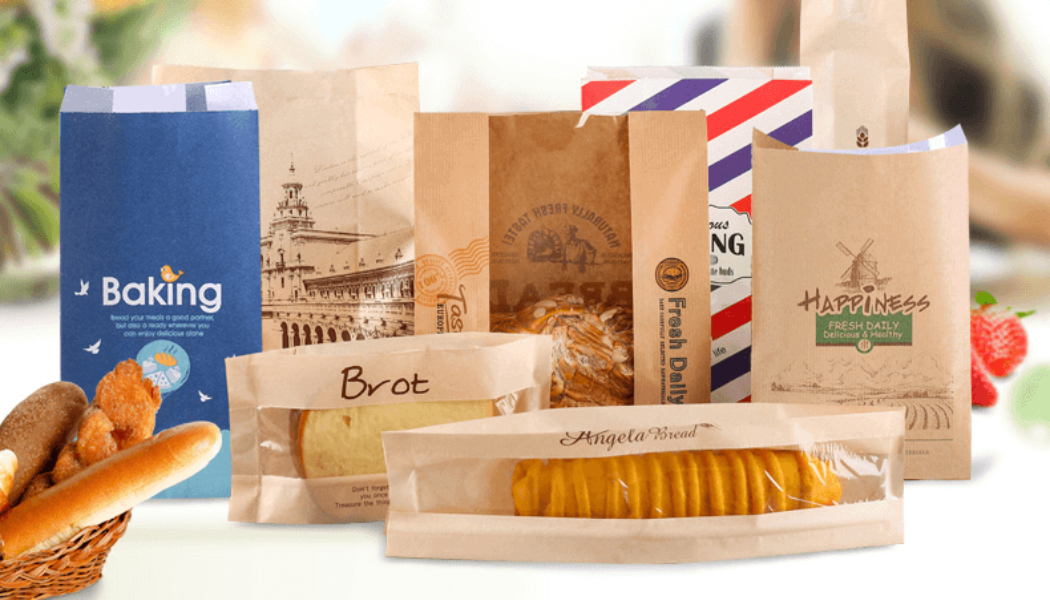
Applications and Innovations in Biodegradable Food Packaging
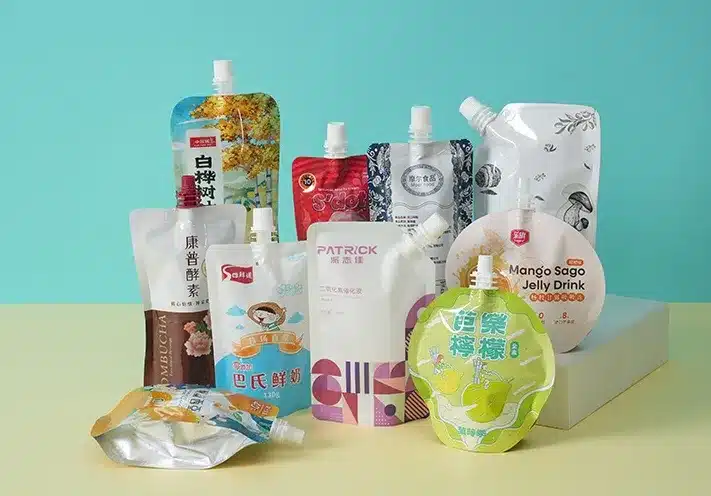
The use of biodegradable films is expanding across various segments of the food industry. Some common applications include:
- Fresh Produce: Wrapping fruits and vegetables to maintain freshness and reduce spoilage.
- Bakery and Confectionery: Packaging for bread, pastries, and sweets that require breathability and moisture control.
- Ready-to-Eat Meals: Single-serve trays and wraps that are both functional and compostable.
- Snack Foods: Bags and pouches for chips, nuts, and granola bars.
Recent innovations focus on improving the mechanical strength, barrier properties, and compostability of these films. Researchers are developing multilayer structures and incorporating natural additives to enhance performance. As technology advances, the gap between biodegradable and conventional packaging continues to narrow.
How to Choose the Right Biodegradable Film for Your Food Product
Selecting the best biodegradable film depends on several factors:
- Type of Food: Moisture content, fat levels, and shelf life requirements influence film selection.
- Desired End-of-Life: Consider whether the packaging will be composted, recycled, or disposed of in landfill.
- Regulatory Compliance: Ensure the film meets food safety and packaging standards for your market.
- Cost and Supply Chain: Evaluate the availability and price stability of raw materials.
Working with experienced food-safe packaging manufacturers can help you navigate these choices and ensure your packaging aligns with both sustainability and safety goals.
Frequently Asked Questions
Are biodegradable films safe for direct food contact?
Yes, most biodegradable films designed for food use comply with food safety regulations and are safe for direct contact. Always verify that the film is certified for food applications and meets relevant standards in your region.
How long do biodegradable films take to decompose?
The decomposition time varies depending on the material and environmental conditions. Some films break down within a few months in industrial composting facilities, while others may take longer in home composting or landfill settings.
Can biodegradable films be recycled with regular plastics?
No, biodegradable films should not be mixed with conventional plastic recycling streams, as this can contaminate the recycling process. They are best disposed of through composting or other appropriate waste management systems.
Conclusion
The adoption of biodegradable films in food packaging is a promising step toward a more sustainable future. These materials offer a practical solution to reduce plastic waste and support environmental goals, while also meeting the functional needs of the food industry. By staying informed about the latest developments and carefully selecting the right materials, businesses and consumers can contribute to a cleaner, greener planet.