In today’s competitive food industry, the packaging you choose does more than just protect your products—it also serves as a powerful tool for communicating your brand identity. Food-safe packaging for branding ensures that your food items remain safe for consumption while helping your business stand out on the shelf or in the hands of your customers. Understanding the essentials of compliant, attractive packaging can help you build trust and loyalty with your audience.
Whether you run a restaurant, a catering business, or a food manufacturing company, selecting the right materials and designs is crucial. Not only must packaging comply with safety regulations, but it should also reflect your brand’s values and message. For a deeper dive into the fundamentals, you can explore what is food-safe packaging and why it matters for your business.
Why Food-Safe Packaging Matters for Your Brand
The main priority of any food packaging is to keep products safe and fresh. However, in the age of social media and increased consumer awareness, packaging is also a direct extension of your brand. Using food-safe packaging for branding not only ensures compliance with health standards but also helps you create a memorable customer experience.
Food-grade materials are designed to prevent contamination and preserve the quality of your food. Packaging that fails to meet these standards can lead to health risks, product recalls, and damage to your reputation. On the other hand, well-designed, compliant packaging can enhance your brand’s credibility and make your products more appealing.
Key Elements of Effective Food-Safe Packaging for Branding
Creating packaging that is both safe and brand-focused involves several important considerations. Here are the main elements to keep in mind:
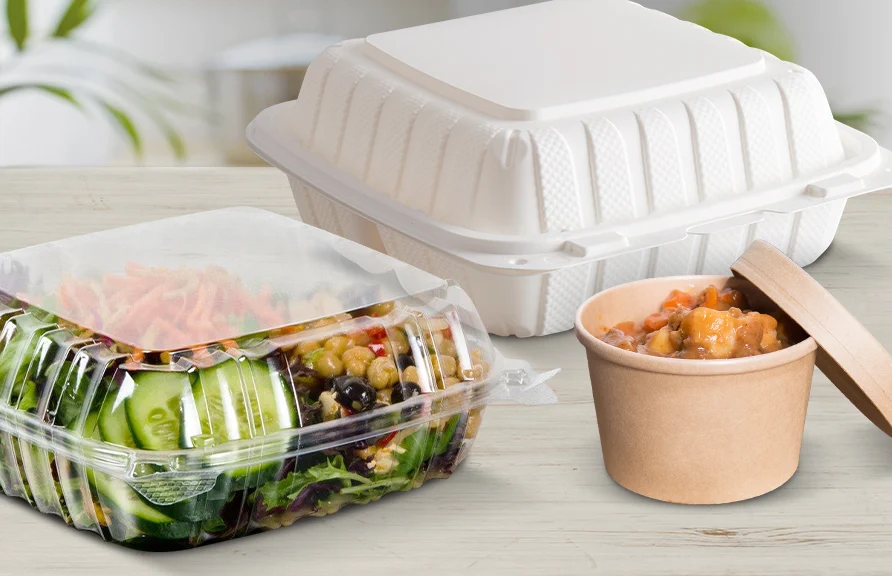
- Material Selection: Choose materials that are certified for direct food contact, such as specific plastics, paperboard, glass, or compostable alternatives. The right material not only protects your food but also aligns with your brand’s sustainability goals.
- Compliance and Certification: Ensure your packaging meets relevant food safety standards. Look for certifications or supplier guarantees that confirm the materials are food-safe. For more information on how to verify this, see this guide to identifying food-safe packaging materials.
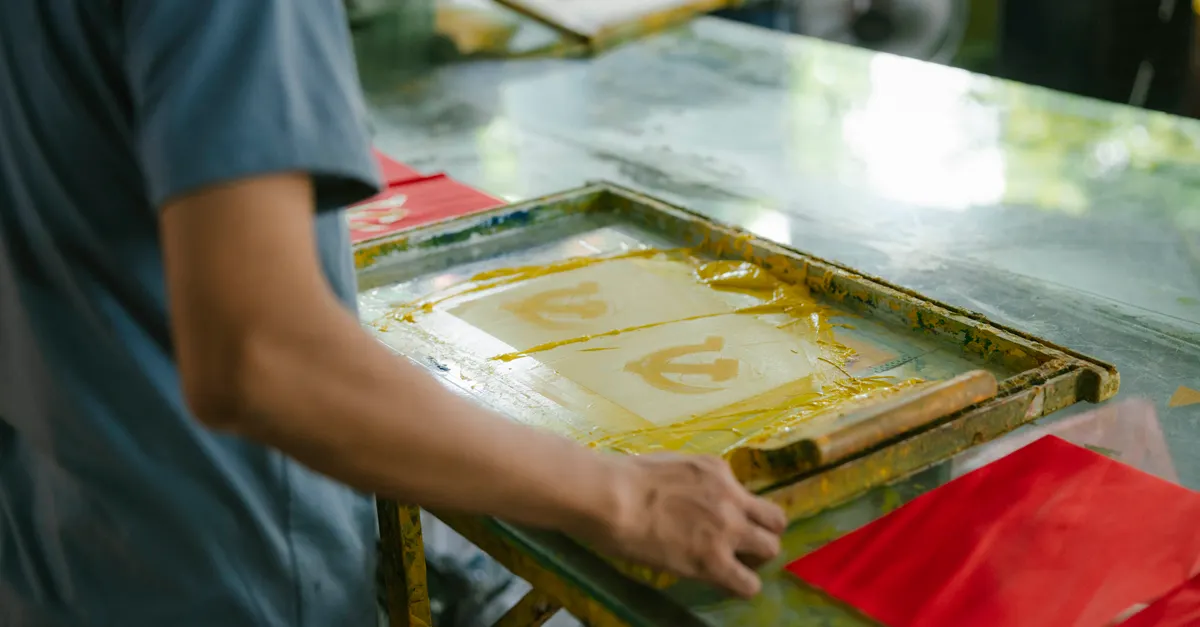
- Branding and Design: Incorporate your logo, colors, and messaging in a way that does not compromise food safety. Use food-grade inks and adhesives to avoid contamination.
- Functionality: Packaging should be easy to use, resealable if needed, and suitable for the intended food type (hot, cold, liquid, etc.).
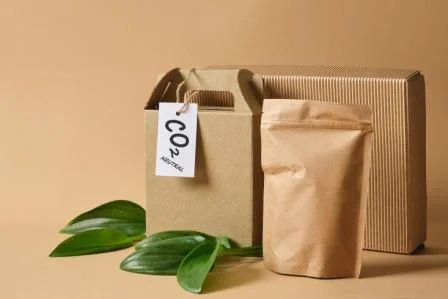
- Sustainability: Many consumers prefer eco-friendly options. Consider recyclable, compostable, or biodegradable packaging to reinforce a positive brand image.
Types of Food-Safe Packaging That Support Brand Identity
There are various packaging solutions available, each offering unique benefits for different types of food businesses. Some of the most popular options include:
- Custom Printed Boxes: Ideal for takeout, bakery items, and specialty foods. These boxes can be printed with your brand’s logo and colors, making them instantly recognizable.
- Flexible Pouches: Great for snacks, sauces, and dry goods. Pouches offer a large surface area for branding and are often resealable.
- Glass Jars and Bottles: Commonly used for beverages, jams, and sauces. Glass is inert and does not interact with food, making it a safe and premium option.
- Compostable Containers: For brands focused on sustainability, compostable packaging sends a strong message about environmental responsibility.
For a more comprehensive overview of the various solutions available, you might want to review the types of food-safe packaging used by modern food businesses.
Design Strategies for Standout Food Packaging
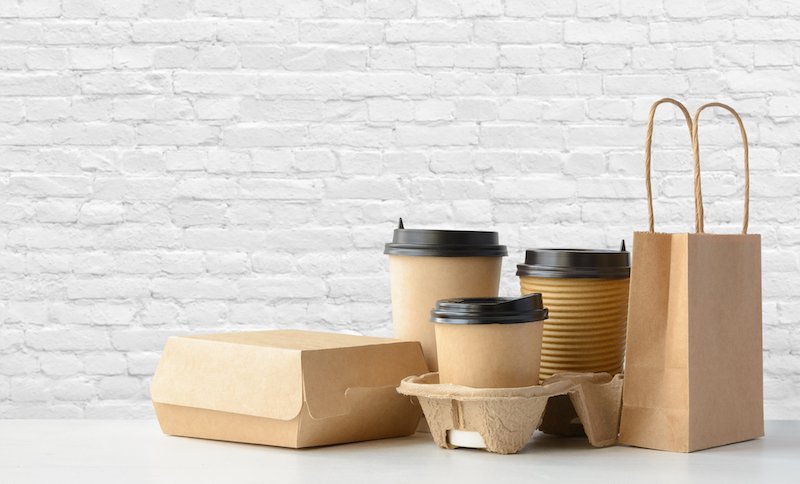
Effective branding on food-safe packaging goes beyond just placing a logo on a box. Here are some strategies to help your products get noticed:
- Consistent Visual Identity: Use the same colors, fonts, and imagery across all packaging to build brand recognition.
- Clear Messaging: Highlight your brand’s unique selling points, such as organic ingredients, local sourcing, or allergen information.
- Interactive Elements: QR codes, social media handles, or loyalty program details can encourage customer engagement.
- Minimalist Design: Sometimes, less is more. Clean, uncluttered packaging can communicate quality and sophistication.
Remember, all design elements must use food-safe inks and coatings to ensure they do not compromise the safety of the product inside.
Compliance and Best Practices for Food-Safe Packaging
Adhering to food safety regulations is non-negotiable. Here are some best practices to ensure your branded packaging meets all requirements:
- Work with Reputable Suppliers: Choose partners who provide documentation and certifications for food-grade materials.
- Stay Updated on Regulations: Food safety standards can vary by region and product type. Regularly review guidelines from local authorities and industry organizations.
- Test Packaging: Conduct migration and compatibility tests to ensure that inks, adhesives, and materials do not leach into food.
- Label Clearly: Include all required information, such as ingredients, allergens, and expiration dates, in a legible and durable format.
Prioritizing these best practices will help you avoid costly recalls and protect your brand’s reputation.
Frequently Asked Questions
What makes packaging food-safe?
Food-safe packaging is made from materials that do not release harmful substances into food. These materials are tested and certified for direct food contact, ensuring they do not contaminate or alter the taste and quality of the food inside.
How can I tell if my packaging is compliant with food safety regulations?
Look for certifications from recognized authorities or request documentation from your supplier. You can also refer to industry resources and guides on verifying food-safe packaging materials for more details.
Why is branding important on food packaging?
Branding on packaging helps your products stand out, builds recognition, and communicates your business values. It can influence purchasing decisions and foster customer loyalty, especially when combined with safe and functional packaging.
Are eco-friendly packaging options available for food brands?
Yes, there are many sustainable options, such as compostable containers, recyclable paper, and biodegradable plastics. These choices appeal to environmentally conscious consumers and can enhance your brand image.