Understanding what is discharge ink and how does it work is essential for anyone involved in textile printing, especially those seeking soft, vibrant, and breathable prints on dark garments. Discharge ink is a specialty product used in screen printing that removes the garment’s original dye and replaces it with a new color, resulting in a print that feels nearly as soft as the fabric itself. This guide breaks down the science, process, and practical considerations behind discharge printing, helping you decide if it’s the right technique for your next project.
Before diving into the details, it’s worth noting that discharge printing is just one of many innovative techniques shaping the future of textile decoration. For those interested in broader trends, you may want to explore what is the future of smart textiles and printing for additional insights into advanced methods and materials.
Understanding the Discharge Printing Process
At its core, discharge printing is a method that uses a water-based ink containing a chemical agent—most commonly zinc formaldehyde sulfoxylate—to deactivate or “bleach out” the dye in natural fibers like cotton. This process removes the original garment color in the printed area, allowing either the natural fabric color to show or a new pigment to be deposited simultaneously.
The result is a soft, vibrant print that integrates with the fabric, unlike traditional plastisol inks that sit on top of the material. This makes discharge printing especially popular for high-end fashion, band merchandise, and any application where comfort and quality are priorities.

Key Components of Discharge Ink
To fully grasp what is discharge ink and how does it work, it’s important to break down its main ingredients:
- Water-based binder: Forms the base of the ink, ensuring it penetrates the fibers.
- Discharge agent: Usually zinc formaldehyde sulfoxylate, which chemically removes the dye from the fabric.
- Pigments (optional): Added to recolor the discharged area, allowing for vibrant designs on dark garments.
The discharge agent is only activated during the curing process, typically at temperatures around 320°F (160°C). This ensures the chemical reaction occurs only after printing, minimizing health risks and maximizing print quality.
Step-by-Step Guide to the Discharge Printing Technique
Here’s how the discharge process unfolds in a typical screen printing setup:
- Preparation: Mix the discharge ink base with the activator just before printing. This mixture has a limited shelf life, so timing is crucial.
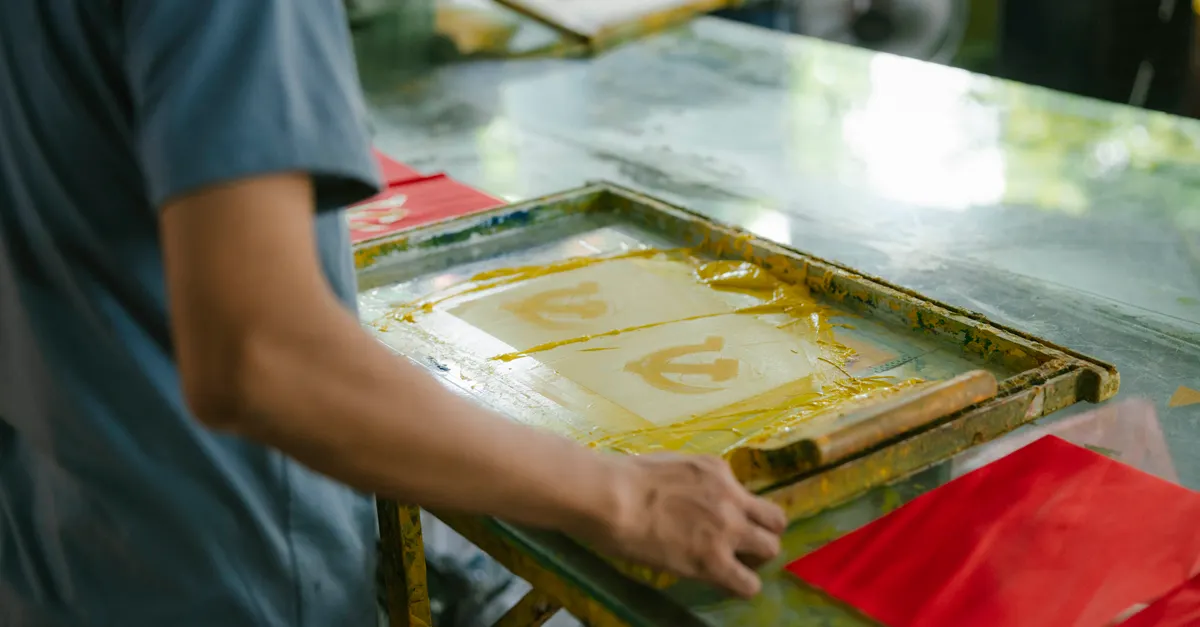
- Screen Printing: Apply the ink to the garment using standard screen printing equipment. Mesh counts and squeegee pressure should be optimized for water-based inks.
- Curing: Heat the printed garment in a conveyor dryer at the recommended temperature. The heat activates the discharge agent, removing the original dye and depositing the new pigment if present.
- Finishing: Allow the garment to cool. The print should feel soft and be fully integrated with the fabric.
Proper ventilation and safety precautions are important, as the discharge process involves chemical reactions that can release fumes during curing.

Benefits of Using Discharge Inks
There are several reasons why printers choose discharge over other methods, especially for dark garments:
- Soft hand feel: The print becomes part of the fabric, resulting in a smooth, breathable finish.
- Vibrant colors on dark fabrics: Discharge allows for bright, detailed designs without heavy ink buildup.
- Durability: Since the ink bonds with the fibers, prints tend to last longer and resist cracking or peeling.
- Fashion-forward results: The subtle, vintage look is popular in retail and boutique apparel.
These advantages make discharge ideal for premium t-shirts, fashion lines, and merchandise where comfort and appearance are paramount.
Limitations and Considerations
Despite its benefits, discharge printing isn’t suitable for every project. Here are some important factors to keep in mind:
- Fabric compatibility: Works best on 100% cotton. Blends or synthetic fibers may yield inconsistent results.
- Color limitations: Not all garment dyes are dischargeable. Some colors, especially certain reds, purples, and blues, may resist the chemical process.
- Shelf life: Once mixed, discharge ink must be used quickly, as the activator loses potency over time.
- Health and safety: Proper ventilation and protective gear are necessary due to the chemicals involved.
Careful garment selection and testing are recommended to ensure the best outcome for each print run.
Comparing Discharge Printing to Other Textile Methods
Discharge is just one of several approaches to decorating textiles. Here’s how it stacks up against other popular techniques:
| Method | Best For | Pros | Cons |
|---|---|---|---|
| Discharge | Soft, vibrant prints on dark cotton | Soft feel, bright colors, durable | Limited to cotton, chemical handling |
| Plastisol | Versatile, all fabrics | Easy to use, opaque, flexible | Heavier feel, less breathable |
| Water-based | Soft prints on light fabrics | Eco-friendly, soft hand | Less vibrant on darks, longer curing |
| Direct-to-Garment (DTG) | Short runs, full color | No setup, detailed images | Slower, best on light cotton |
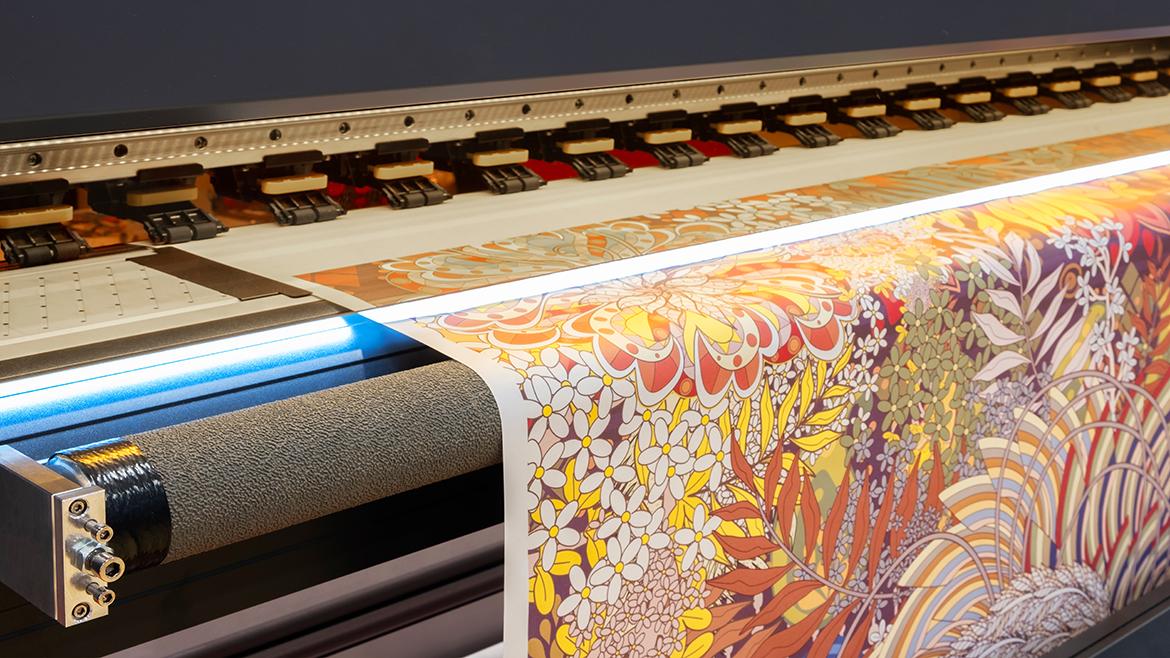
For a deeper dive into digital textile printing and how it compares to traditional methods, check out this comprehensive guide to digital textile printing.
Best Practices for Successful Discharge Printing
To achieve optimal results with discharge inks, consider these practical tips:
- Test your garments: Always run a test print to ensure the dye reacts well to discharge.
- Mix ink fresh: Only mix as much as you’ll use within a few hours to maintain potency.
- Control your environment: Maintain proper humidity and temperature in your print shop for consistent results.
- Use high-quality screens: Fine mesh and sharp stencils help achieve crisp, detailed prints.
- Prioritize safety: Wear gloves and ensure good ventilation when handling discharge agents.
Following these guidelines will help you produce professional-quality prints that stand out in both look and feel.
Applications and Creative Uses
Discharge printing is widely used in fashion, music merchandise, boutique apparel, and custom t-shirt businesses. Its ability to create soft, intricate designs on dark garments makes it a favorite for brands seeking a premium look and feel. Designers often combine discharge with other techniques, such as water-based or plastisol inks, to achieve unique effects and textures.
If you’re interested in experimenting with other materials or techniques, you might also enjoy learning about how to print on cork and non-traditional materials for even more creative possibilities.
Frequently Asked Questions
Is discharge printing safe for all fabrics?
Discharge works best on 100% cotton garments. While it can be used on blends, results may be inconsistent, and some synthetic fibers may not react at all. Always test a sample before starting a full production run.
Does discharge ink affect the durability of the garment?
No, discharge printing typically maintains or even improves the garment’s durability. Since the ink bonds with the fibers, the print resists cracking and peeling, and the fabric remains soft and breathable.
What are the environmental considerations of discharge printing?
While water-based discharge inks are generally more eco-friendly than plastisol, the chemical agents used require careful handling and disposal. Proper ventilation and adherence to safety guidelines are essential to minimize environmental impact.
Can discharge printing be combined with other techniques?
Yes, many printers combine discharge with water-based or plastisol inks to create layered effects, highlights, or textures. This hybrid approach can add depth and uniqueness to your designs.
Conclusion
Discharge ink offers a unique solution for achieving soft, vibrant prints on dark cotton garments. By understanding the chemistry, process, and best practices, you can leverage this technique to create high-quality apparel that stands out for its comfort and visual appeal. Whether you’re a seasoned printer or new to textile decoration, mastering discharge printing opens up new creative possibilities for your business or brand.