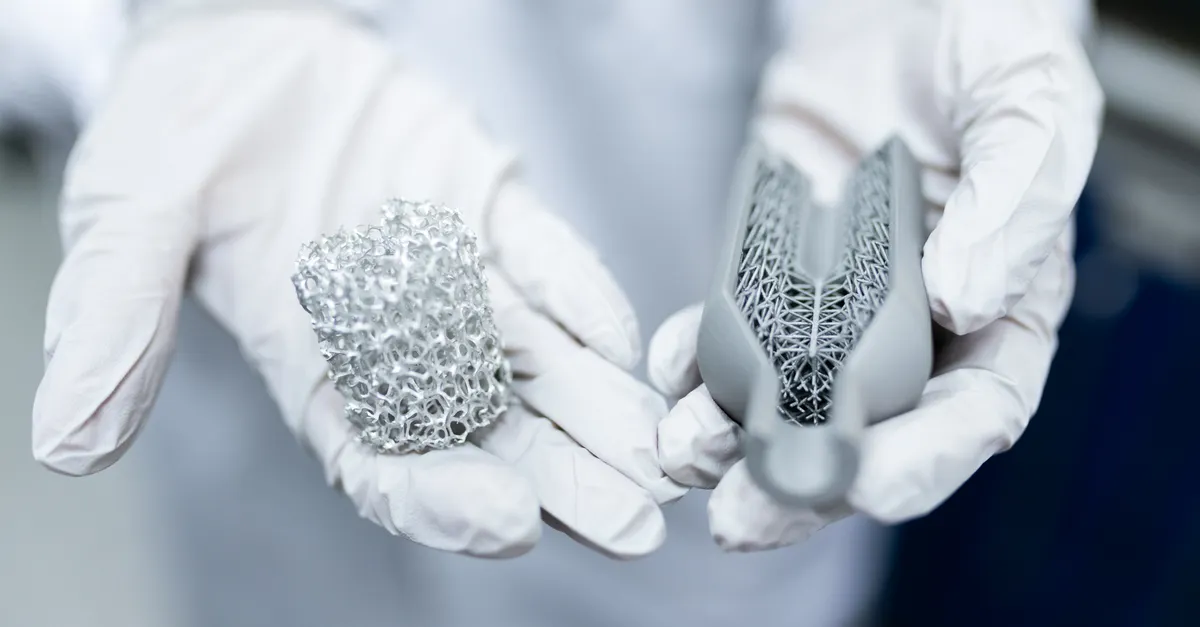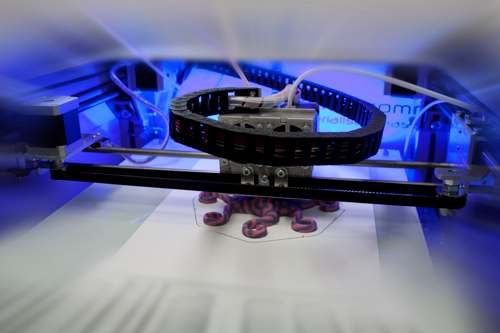
Aerospace 3D printing has rapidly evolved from a prototyping tool to a transformative force in the aviation and space industries. By enabling the creation of complex, lightweight components with unprecedented design freedom, additive manufacturing is reshaping how engineers approach aircraft and spacecraft production. This technology not only accelerates development cycles but also supports sustainability by reducing material waste and enabling on-demand manufacturing.
The adoption of 3D printing in aerospace is driven by the need for high-performance parts that meet strict regulatory and safety standards. As new materials and printing methods emerge, the possibilities for innovation continue to expand. In this article, we’ll explore the materials, techniques, and applications that are defining the next generation of aerospace manufacturing.
For those interested in how advanced printing intersects with other industries, you may want to learn more about what is the future of smart textiles and printing and how these innovations are influencing manufacturing worldwide.
Key Materials Used in Additive Manufacturing for Aerospace
The selection of materials is a critical factor in the success of additive manufacturing for flight applications. Aerospace engineers require materials that offer a balance of strength, weight, heat resistance, and durability. Here are some of the most important material categories:
- Metals: Titanium alloys, aluminum alloys, and nickel-based superalloys are widely used for structural and engine components. Titanium, in particular, is valued for its high strength-to-weight ratio and corrosion resistance, making it ideal for aircraft brackets, turbine blades, and rocket parts.
- Polymers: High-performance thermoplastics such as PEEK, PEKK, and ULTEM are used for lightweight ducting, housings, and interior components. These polymers can withstand high temperatures and offer excellent flame, smoke, and toxicity properties.
- Composites: Fiber-reinforced polymers, including carbon fiber and glass fiber composites, are increasingly being 3D printed for structural parts. These materials combine the benefits of polymers with enhanced mechanical properties.
Material innovation continues to push the boundaries of what’s possible in aerospace, with ongoing research into ceramics, refractory metals, and multi-material printing.
Leading 3D Printing Techniques in the Aerospace Sector
Several additive manufacturing processes are used in the aviation and space industries, each offering unique benefits for specific applications. The most prominent techniques include:
- Selective Laser Melting (SLM) and Electron Beam Melting (EBM): These powder bed fusion methods use lasers or electron beams to fuse metal powders layer by layer. They are ideal for producing complex, high-strength metal parts with internal channels and lattice structures.
- Fused Deposition Modeling (FDM): FDM is popular for prototyping and producing non-critical components using thermoplastic filaments. It’s valued for its affordability and ability to print large parts.
- Direct Energy Deposition (DED): DED builds up metal parts by melting powder or wire feedstock with a focused energy source. It’s used for repairing or adding features to existing components, as well as creating large structures.
- Stereolithography (SLA) and Digital Light Processing (DLP): These resin-based methods are used for high-detail prototypes, tooling, and some flight-ready polymer parts.
Each technique is chosen based on the required material, part geometry, and performance criteria. For a deeper understanding of how these processes work, see this comprehensive overview of 3D printing technologies.

Applications of Additive Manufacturing in Aerospace
The use of 3D printing in aerospace extends far beyond prototyping. Today, it is integral to the production of flight-ready parts and mission-critical systems. Key applications include:
- Engine Components: Additive manufacturing enables the production of fuel nozzles, turbine blades, and heat exchangers with intricate internal features that improve performance and reduce weight.
- Structural Parts: Lightweight brackets, supports, and airframe components are 3D printed to optimize strength while minimizing mass, contributing to fuel efficiency.
- Cabin Interiors: Custom seating, air ducts, and paneling can be produced in low volumes and tailored to specific aircraft models or customer requirements.
- Tooling and Fixtures: Rapid production of jigs, fixtures, and molds streamlines assembly and maintenance processes, reducing lead times and costs.
- Space Exploration: On-demand manufacturing of replacement parts aboard spacecraft and the International Space Station reduces the need for large inventories and enables repairs in remote environments.
These applications demonstrate the versatility of additive manufacturing and its growing role in the aerospace supply chain.
Benefits and Challenges of 3D Printing in the Aerospace Industry
Adopting additive manufacturing brings several advantages to aerospace companies:
- Design Freedom: Engineers can create parts with complex geometries and internal structures that are impossible or costly to produce with traditional methods.
- Weight Reduction: Lattice structures and topology optimization reduce component mass, leading to lower fuel consumption and emissions.
- Shorter Lead Times: Rapid prototyping and on-demand production accelerate development and reduce inventory requirements.
- Material Efficiency: Additive processes use only the material needed, minimizing waste and supporting sustainability goals.
However, there are also challenges to address:
- Certification and Standards: Meeting stringent aerospace quality and safety standards requires rigorous testing and validation of both materials and processes.
- Material Limitations: Not all aerospace-grade materials are currently printable, and some require further development for consistent quality.
- Production Scale: While ideal for low- to medium-volume production, scaling up for mass manufacturing remains a challenge for some applications.
Despite these hurdles, ongoing research and industry collaboration are steadily overcoming barriers, making additive manufacturing an increasingly mainstream solution for aerospace engineering.

Future Trends in Aerospace Additive Manufacturing
The future of 3D printing in aviation and space is marked by rapid innovation. Several trends are shaping the next decade:
- Multi-Material Printing: The ability to print with multiple materials in a single build will enable more functional and integrated parts.
- Automation and Digital Thread: Integration with digital manufacturing systems will streamline design, production, and quality assurance.
- On-Site and In-Space Manufacturing: Portable 3D printers will allow for the production of parts at remote airfields, maintenance depots, and even on lunar or Martian missions.
- Expanded Material Portfolio: Ongoing research into new alloys, ceramics, and composites will broaden the range of printable aerospace components.
As these trends mature, additive manufacturing will continue to drive efficiency, sustainability, and innovation in the aerospace sector.
Frequently Asked Questions
What are the main advantages of using 3D printing in aerospace?
The primary benefits include weight reduction, design flexibility, faster prototyping, and material efficiency. These advantages help reduce costs, improve fuel efficiency, and enable the creation of parts with complex geometries that traditional manufacturing cannot achieve.
Which materials are most commonly used for aerospace additive manufacturing?
Commonly used materials include titanium alloys, aluminum alloys, nickel-based superalloys for metal parts, and high-performance polymers such as PEEK and ULTEM for non-metallic components. Composite materials, especially carbon fiber-reinforced polymers, are also gaining popularity.
How is quality and safety ensured for 3D printed aerospace parts?
Quality and safety are maintained through rigorous testing, certification, and compliance with industry standards. Each part undergoes mechanical, thermal, and fatigue testing, and manufacturers must adhere to strict process controls and documentation to meet regulatory requirements.
For those interested in related advancements, explore how digital printing is influencing fashion trend forecasting and how localized printing benefits global brands. These topics highlight the broader impact of advanced printing technologies across industries.