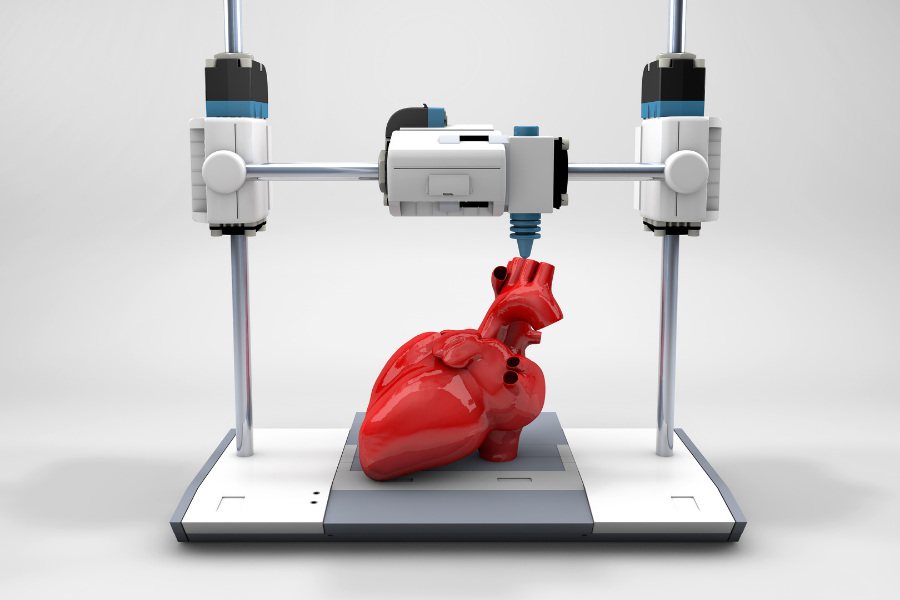
The landscape of 3D printing is evolving rapidly, with 2025 poised to be a pivotal year for both established manufacturers and new entrants. As technology advances, the sector is witnessing a surge of fresh ideas, materials, and applications that are redefining what’s possible in additive manufacturing. From healthcare to aerospace, the impact of these developments is being felt across industries, promising greater efficiency, customization, and sustainability.
For those looking to stay ahead, understanding the latest innovations in 3D printing 2025 is essential. This guide explores the most significant trends, the technologies driving them, and how they are shaping the future of production and design. Whether you’re a business owner, engineer, or enthusiast, keeping up with these changes can help you leverage new opportunities and avoid falling behind.
As you explore the world of additive manufacturing, you might also be interested in related technologies and techniques. For example, understanding what is soft hand feel in garment printing can provide valuable insights into how printing innovations are influencing the textile industry as well.
Emerging Materials and Sustainable Solutions
One of the most exciting areas of progress in additive manufacturing is the introduction of advanced materials. In 2025, the focus is on sustainability and performance. Biodegradable polymers, recycled composites, and even organic-based filaments are becoming more accessible, helping manufacturers reduce their environmental footprint. These new materials offer comparable strength and flexibility to traditional plastics but break down more easily after use, aligning with global efforts to minimize waste.
Additionally, metal 3D printing is gaining traction, with improved alloys and faster sintering processes enabling the creation of complex, high-strength parts for automotive and aerospace applications. The ability to print with ceramics and multi-material composites is also opening doors for industries that require specialized properties, such as heat resistance or electrical conductivity.
Automation and Smart Manufacturing
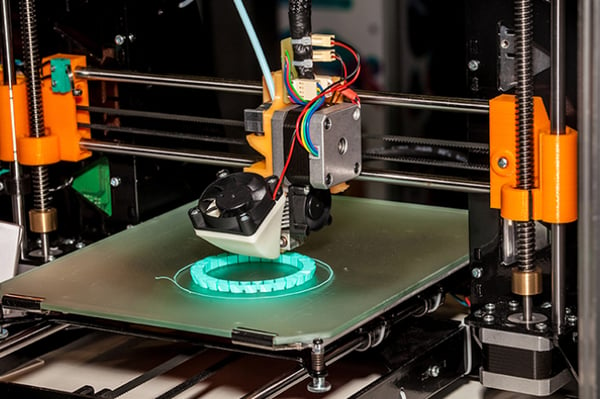
The integration of artificial intelligence and automation is transforming how 3D printers operate. In 2025, smart printers equipped with sensors and machine learning algorithms can self-calibrate, detect errors in real time, and optimize print quality without human intervention. This shift is reducing downtime, minimizing waste, and making additive manufacturing more accessible to businesses of all sizes.
Automated post-processing is another key trend. New systems can automatically remove supports, smooth surfaces, and even apply coatings, streamlining the workflow from digital design to finished product. This level of automation is crucial for scaling up production and meeting the growing demand for customized goods.
Customization and On-Demand Production
Personalization is at the heart of the latest developments in additive manufacturing. In 2025, companies are leveraging the technology to produce goods tailored to individual needs, from custom medical implants to one-of-a-kind fashion accessories. The ability to quickly iterate designs and manufacture products on demand is reducing inventory costs and shortening supply chains.
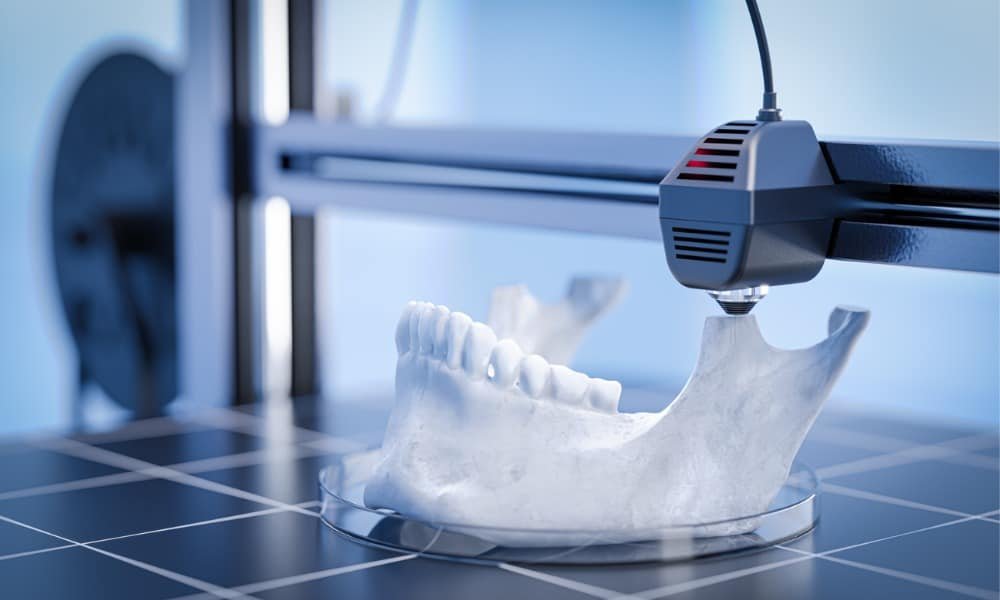
This trend is particularly evident in the healthcare sector, where patient-specific prosthetics and dental devices are becoming standard. Similarly, the automotive and aerospace industries are using 3D printing to create lightweight, optimized parts that improve performance and reduce fuel consumption.
For small fashion labels and startups, on-demand production offers a way to compete with larger brands. If you’re interested in how these changes are affecting the fashion world, explore the benefits of micro-factory models for fashion printing to see how agile manufacturing is reshaping the industry.
Expanding Applications Across Industries
The reach of additive manufacturing is expanding beyond traditional sectors. In construction, large-scale printers are being used to fabricate entire buildings and infrastructure components, reducing labor costs and enabling new architectural possibilities. The food industry is experimenting with edible materials, creating intricate designs and personalized nutrition solutions.
Education and research are also benefiting from these advances. Affordable desktop printers are making it easier for students and innovators to prototype ideas and conduct experiments. As the technology becomes more user-friendly, its adoption in schools and universities is expected to accelerate.
Key Technologies Powering 2025’s Additive Manufacturing
Several technological breakthroughs are driving the next wave of progress in this field:
- High-Speed Printing: New hardware and software solutions are dramatically reducing print times, making it feasible to produce large batches or intricate parts quickly.
- Multi-Material Printing: The ability to print with multiple materials in a single process allows for more complex, functional products, such as electronics embedded within plastic housings.
- Enhanced Software: Advanced design tools and simulation software help engineers optimize structures for strength, weight, and material usage before printing begins.
- Cloud Connectivity: Printers connected to the cloud can receive updates, share print jobs, and integrate with other smart manufacturing systems for seamless workflows.
For a deeper understanding of how these technologies work, you can visit a comprehensive resource on the fundamentals and applications of 3D printing.
Challenges and Considerations for Adopters
While the advantages are clear, adopting the latest additive manufacturing technologies comes with challenges. Intellectual property protection, quality assurance, and regulatory compliance remain top concerns, especially in industries like healthcare and aerospace. Companies must also invest in training and upskilling their workforce to fully leverage new tools and processes.
Another consideration is the integration of 3D printing with existing manufacturing systems. Hybrid approaches, where additive and subtractive methods are combined, are becoming more common but require careful planning and investment.
For those in the garment and textile sector, understanding the benefits of direct to film for small fashion labels can help bridge the gap between traditional and modern production methods.
Looking Ahead: The Future of Additive Manufacturing
As we move further into 2025, the pace of change in this sector shows no signs of slowing. With ongoing research into new materials, smarter machines, and broader applications, the potential for innovation is virtually limitless. Businesses that embrace these trends will be well-positioned to thrive in a rapidly changing marketplace.
From sustainability to customization, the themes shaping the future of additive manufacturing reflect broader shifts in consumer preferences and industrial priorities. Staying informed and adaptable is key to making the most of these opportunities.
For those comparing different decoration methods, you might find it useful to learn about what is embroidery vs printing for brand logos to see how traditional and digital techniques can complement each other.
Frequently Asked Questions
What are the most important materials being developed for 3D printing in 2025?
Major advancements include biodegradable polymers, recycled composites, and high-performance metals. These materials offer improved sustainability and enable the production of stronger, lighter, and more functional parts across industries.
How is automation changing the 3D printing process?
Automation is making additive manufacturing more efficient by enabling printers to self-calibrate, detect errors, and optimize print quality. Automated post-processing further streamlines production, reducing manual labor and increasing scalability.
What industries are benefiting most from recent 3D printing innovations?
Healthcare, aerospace, automotive, construction, and fashion are among the sectors seeing the greatest impact. Applications range from custom medical devices and lightweight vehicle parts to on-demand fashion and even food printing.