The integration of 3D printing for students is transforming how learners engage with science, technology, engineering, art, and mathematics. By bringing digital designs to life, this technology bridges the gap between theory and hands-on experience, making lessons more interactive and memorable. From elementary classrooms to university labs, 3D printers are unlocking new ways for students to explore, invent, and collaborate.
As educational institutions seek innovative methods to boost engagement and foster problem-solving, 3D printing stands out as a practical tool. It empowers students to visualize complex concepts, prototype ideas, and develop critical thinking skills through real-world application. For those interested in related advancements in the printing industry, understanding what is soft hand feel in garment printing can provide further insights into material science and tactile design.

How 3D Printing Enhances Student Engagement
Incorporating 3D printing in education transforms passive learning into an active process. Instead of simply reading about scientific models or engineering principles, students can design and produce tangible objects. This hands-on approach deepens understanding and retention, as learners physically interact with the concepts they study.
For example, in biology, students might print anatomical models to study body systems. In mathematics, geometric shapes can be created to visualize formulas and theorems. Art classes benefit from the ability to prototype sculptures or jewelry, while engineering students can test and refine their inventions. This versatility makes 3D printing a valuable asset across disciplines.
Key Benefits of 3D Printing for Students
The advantages of integrating 3D printing into the classroom extend beyond engagement. Here are some of the most impactful benefits:
- Encourages Creativity: Students are given the freedom to design and iterate, fostering innovation and original thinking.
- Develops Problem-Solving Skills: The process of moving from concept to physical object requires troubleshooting and critical analysis.
- Supports Collaboration: Group projects involving 3D printing teach teamwork and communication as students work together to achieve a common goal.
- Bridges Theory and Practice: Concepts that are difficult to grasp in abstract become clearer when students can see and touch the results.
- Prepares for Future Careers: Familiarity with 3D printing technology gives students a head start in fields like engineering, design, healthcare, and manufacturing.
Popular Applications in the Classroom
The versatility of 3D printing for students means it can be adapted for a wide range of educational projects. Some common uses include:
- Prototyping Inventions: Students can design and build working models of their ideas, from simple machines to complex robotics.
- Creating Visual Aids: Teachers can print custom models to illustrate lessons, such as historical artifacts or molecular structures.
- Personalized Learning Tools: Customizable objects, like braille blocks or tactile maps, support diverse learning needs and accessibility.
- STEAM Projects: Integrating science, technology, engineering, art, and math, students can collaborate on interdisciplinary projects that combine creativity with technical skills.
Choosing the Right 3D Printer for Educational Use
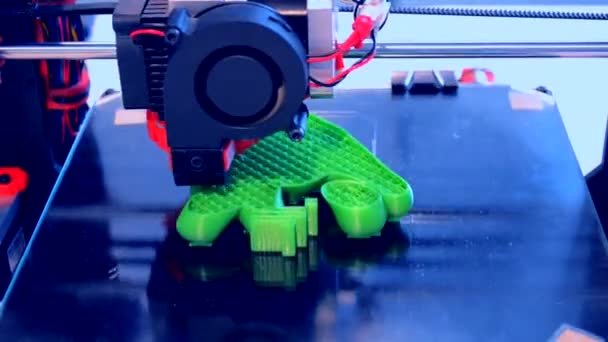
Selecting a suitable 3D printer for classroom settings involves considering factors such as safety, ease of use, and budget. Entry-level models are often designed with user-friendly interfaces and enclosed build areas to protect young users. Resin printers, while offering high detail, may require additional safety precautions due to the materials used.
When evaluating options, look for printers with reliable customer support, accessible software, and a strong community for troubleshooting and inspiration. Maintenance and material costs should also be factored into the decision. For those interested in exploring the differences between various printing technologies, resources like this overview of 3D printing mechanisms and examples can offer valuable background.
Integrating 3D Printing into Curriculum
To maximize the impact of 3D printing in education, it’s important to align projects with learning objectives. Teachers can start with simple assignments, such as printing geometric shapes or basic models, and gradually introduce more complex challenges as students gain confidence.
Collaboration with other departments can lead to interdisciplinary projects, such as designing assistive devices for students with special needs or creating historical replicas for social studies. Documenting the design process encourages reflection and helps students develop a growth mindset as they iterate and improve their creations.
Challenges and Considerations
While the benefits of 3D printing in schools are significant, there are challenges to address. Initial costs for equipment and materials can be a barrier, especially for underfunded schools. Training educators to use the technology effectively is also essential for successful implementation.
Additionally, time constraints and curriculum requirements may limit the ability to fully integrate 3D printing into every lesson. However, with thoughtful planning and support, these obstacles can be overcome, allowing more students to benefit from this innovative approach.
Expanding Horizons: Beyond the Classroom
The skills students develop through 3D printing extend far beyond academic achievement. By learning to design, prototype, and iterate, they gain experience that is highly valued in today’s workforce. Many industries, from healthcare to fashion, rely on rapid prototyping and digital fabrication.
Exploring related topics, such as the benefits of micro-factory models for fashion printing, can help students see the broader impact of digital manufacturing and inspire future career paths.
Frequently Asked Questions
What age groups can benefit from 3D printing in education?
3D printing is adaptable for all ages, from elementary students learning basic shapes to university students working on advanced engineering projects. The key is to tailor activities to the developmental level and interests of the learners.
Is it difficult for teachers to learn how to use 3D printers?
Many entry-level 3D printers are designed with educators in mind, offering intuitive software and safety features. Training and online resources are widely available, making it increasingly accessible for teachers to incorporate this technology into their lessons.
What materials are commonly used in classroom 3D printing?
The most common materials are PLA and ABS plastics, which are affordable and safe for educational use. Some advanced projects may use resin or specialty filaments, but these require additional safety precautions and equipment.