The rapid growth of 3D printing and digital modeling has transformed industries ranging from manufacturing to entertainment. However, as the use and sharing of 3D models become more widespread, questions about copyright issues with 3D models are increasingly important for creators, businesses, and hobbyists. Understanding the legal landscape is essential to avoid unintentional infringement and to protect your own intellectual property.
This article explores the legal complexities of 3D model ownership, the risks of using or distributing digital designs, and best practices for staying compliant. Whether you design your own models, download them from online repositories, or use them in commercial projects, knowing your rights and responsibilities is crucial.
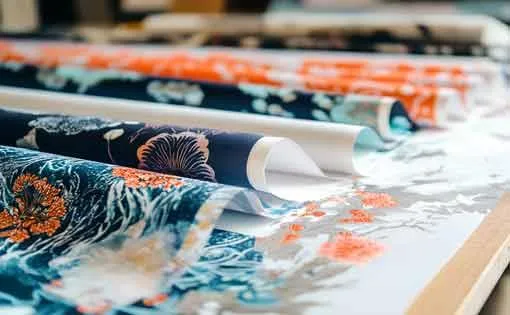
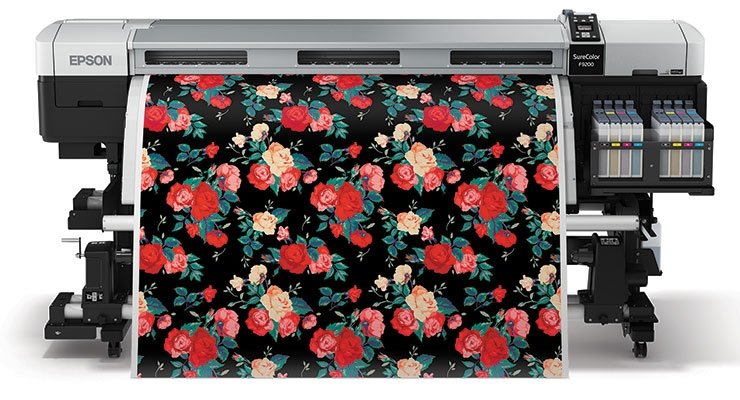
For those interested in how digital fabrication intersects with other innovative fields, you may also want to explore what is the future of smart textiles and printing for a broader perspective on intellectual property in emerging technologies.
Understanding Intellectual Property in 3D Design
At its core, intellectual property law protects original creations, including digital assets like 3D models. When a designer creates a model from scratch, it is typically protected by copyright as an original work of authorship. This means the creator has exclusive rights to reproduce, distribute, and adapt the model, unless those rights are transferred or licensed to someone else.
However, not all 3D models are automatically protected. For copyright to apply, the model must show a minimal level of creativity and originality. Simple geometric shapes or models that are purely functional (such as a basic nut or bolt) may not qualify for copyright protection. In some cases, other forms of intellectual property, such as design patents or trademarks, may also be relevant, especially for commercial products or branded items.
Common Copyright Challenges with 3D Files
As 3D modeling and printing become more accessible, several legal challenges have emerged:
- Unauthorized Sharing: Uploading or distributing 3D models without the creator’s permission can lead to copyright infringement claims.
- Derivative Works: Modifying an existing model and sharing the new version may still infringe on the original creator’s rights, unless the license allows derivative works.
- Commercial Use: Using a model intended for personal or educational use in a commercial project can violate license terms and copyright law.
- Reverse Engineering: Scanning or recreating physical objects that are themselves protected by copyright or design patents can also lead to legal issues.
These challenges are especially relevant for businesses and individuals who source models from online repositories or use them in products for sale. It’s important to carefully review the licensing terms and ensure you have the right to use, modify, or sell the model as intended.
Licensing and Usage Rights for 3D Models
When downloading or purchasing 3D models, it’s essential to understand the licensing terms. Licenses can range from very restrictive (personal use only, no modifications) to very open (public domain or Creative Commons). Some common license types include:
- All Rights Reserved: No use is allowed without explicit permission from the creator.
- Creative Commons: These licenses allow varying degrees of use, modification, and sharing, often with requirements for attribution or non-commercial use.
- Commercial Licenses: These specifically allow the model to be used in products for sale, but may include limitations or require payment.
Always read the license carefully before using a model. If you’re unsure about your rights, contact the creator or the platform hosting the file. Some platforms provide clear guidelines and license summaries, but it’s your responsibility to ensure compliance.
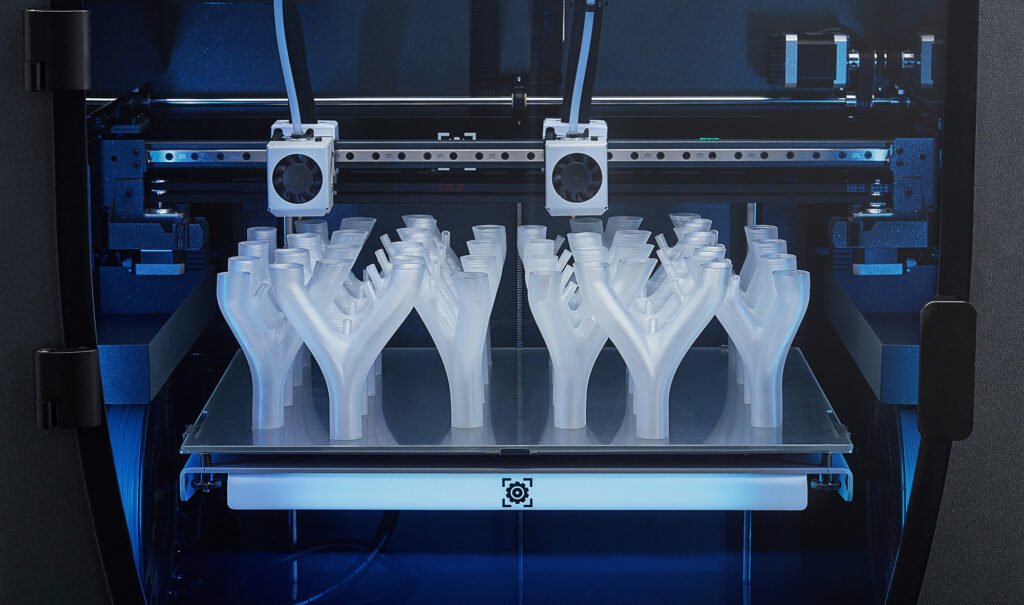
For a deeper dive into the technical side of 3D printing and how it relates to digital rights, this comprehensive guide to 3D printing offers valuable context.
Best Practices to Avoid Copyright Problems
To minimize the risk of legal issues when working with 3D models, consider these practical steps:
- Create Your Own Models: Designing your own assets from scratch gives you full control over usage rights and reduces the risk of infringement.
- Use Reputable Sources: Download models only from trusted platforms that clearly state license terms and vet user submissions.
- Keep Records: Save documentation of licenses, permissions, and correspondence with creators, especially for commercial projects.
- Respect Attribution: If a license requires attribution, credit the creator as specified. Failing to do so can void your right to use the model.
- Consult Legal Experts: For complex or high-value projects, seek advice from an intellectual property attorney familiar with digital assets and 3D printing.
Following these guidelines not only protects you from legal action but also supports the creative community by respecting the rights of designers and innovators.
How Copyright Law Applies to 3D Printing
Copyright law applies to 3D models much as it does to other creative works, but the digital and physical aspects of 3D printing introduce unique considerations. For example, printing a model that depicts a copyrighted character or trademarked object (such as a famous cartoon figure or branded product) can infringe on multiple types of intellectual property, even if the model itself is original.
Additionally, some jurisdictions have specific laws or court rulings related to digital fabrication. It’s important to stay informed about local regulations and any recent legal developments that may affect your use of 3D models. If you operate internationally, be aware that copyright protection and enforcement can vary significantly between countries.
For those interested in how digital fabrication intersects with other creative industries, learning about how to use digital printing for fashion trend forecasting can provide further insight into the evolving relationship between technology and intellectual property.
Frequently Asked Questions
Can I Sell Products Made from Downloaded 3D Models?
It depends on the license attached to the model. Some licenses allow commercial use, while others restrict models to personal or educational projects. Always check the specific terms before selling any physical or digital products derived from downloaded files.
What Should I Do If Someone Uses My 3D Model Without Permission?
If you discover unauthorized use of your model, you can contact the infringer directly to request removal or proper attribution. If that fails, you may need to file a DMCA takedown notice or consult an intellectual property attorney for further action.
Are All 3D Models Protected by Copyright?
No. Only models that demonstrate originality and creativity are protected. Functional objects or simple shapes may not qualify. However, even unprotected models may be covered by other legal protections, such as design patents or trade dress, depending on their use and jurisdiction.
Where Can I Find Safe-to-Use 3D Models?
Reputable online repositories often provide models with clear licensing terms. Look for platforms that vet submissions and offer detailed license information. Creating your own models or purchasing from trusted designers is also a reliable way to ensure compliance.
Conclusion
As 3D printing and digital modeling continue to evolve, understanding copyright issues with 3D models is more important than ever. By staying informed about intellectual property law, respecting licensing terms, and following best practices, you can confidently create, share, and use 3D assets while minimizing legal risks. Whether you’re a designer, business owner, or hobbyist, taking the time to understand your rights and responsibilities will help you navigate the complex world of digital fabrication.