Bioprinting explained is a topic at the intersection of biotechnology and advanced manufacturing, offering new ways to create living tissues and support medical breakthroughs. As 3D printing technology evolves, its applications in healthcare are expanding rapidly, from producing custom implants to fabricating complex tissue structures. This article provides a clear overview of how 3D printing is transforming medical research, the science behind bioprinting, and its current and future impact on healthcare.
For those interested in broader innovations in printing and materials, you might also find insights in what is the future of smart textiles and printing, which explores how advanced printing shapes other industries.
Understanding the Basics of Bioprinting
At its core, bioprinting is the process of using 3D printing techniques to assemble living cells, growth factors, and biomaterials into functional tissue-like structures. Unlike traditional 3D printing, which uses plastics or metals, bioprinters deposit layers of biological materials—often called “bioinks”—to create three-dimensional, living constructs.
This technology enables researchers to fabricate tissues that mimic natural human structures, which can be used for drug testing, disease modeling, and potentially even organ transplantation in the future. The precision and customization offered by bioprinting are what set it apart from other manufacturing methods.
How 3D Printing Technology Powers Medical Advances
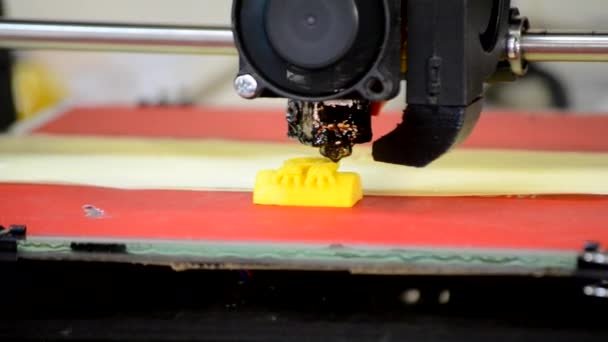
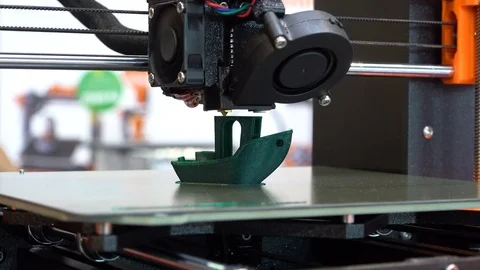
3D printing, also known as additive manufacturing, builds objects layer by layer from digital models. In the context of medical research, this approach allows for:
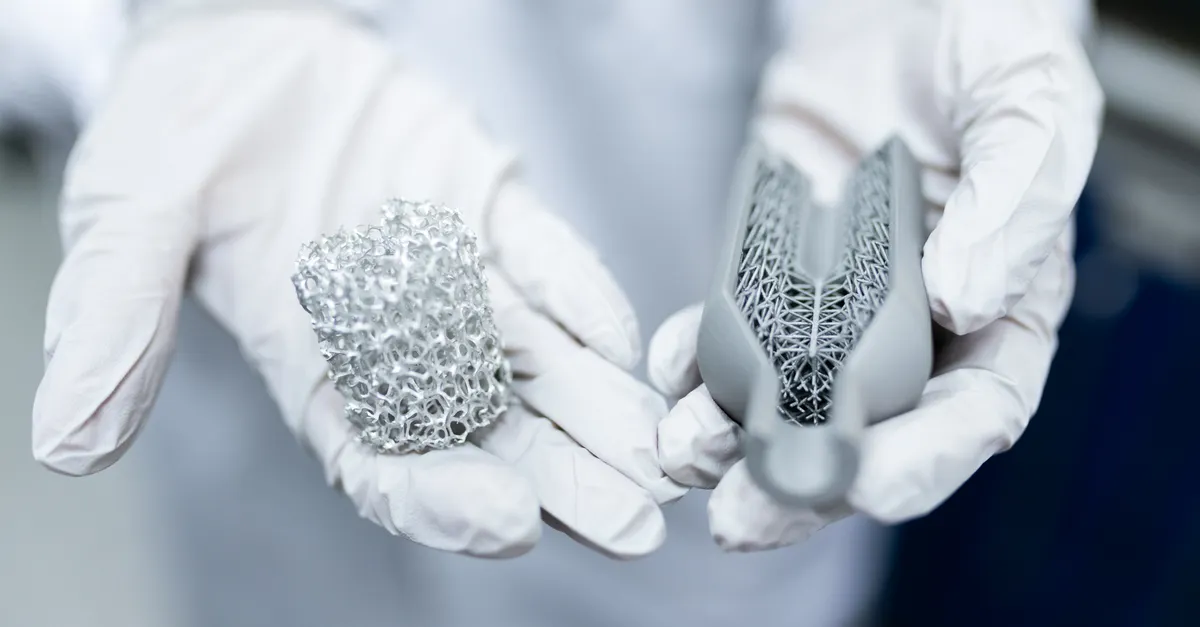
- Personalized implants and prosthetics tailored to individual patients’ anatomy
- Rapid prototyping of medical devices and tools
- Production of anatomical models for surgical planning and education
- Fabrication of scaffolds for tissue engineering
For a deeper dive into the mechanics of this technology, the Department of Energy explains how 3D printers work in detail, covering the basics of additive manufacturing processes.
Bioprinting Explained: The Science Behind Creating Living Tissues
The process of bioprinting involves several key steps:
- Designing the digital model: Scientists use imaging data (like CT or MRI scans) to create a 3D blueprint of the tissue or organ they want to replicate.
- Preparing bioinks: Bioinks are mixtures of living cells and supportive biomaterials. These must be carefully formulated to ensure cell viability and proper structure.
- Layer-by-layer printing: The bioprinter deposits the bioink according to the digital model, building up the tissue structure with high precision.
- Post-printing maturation: Printed tissues are often placed in bioreactors, where they mature and develop the necessary biological functions.
Each of these steps requires careful control of environmental conditions, such as temperature and humidity, to keep cells alive and functional throughout the process.
Applications of Bioprinting in Medical Research
Bioprinting is already making a significant impact in several areas of medical research:
- Drug development and testing: Bioprinted tissues provide realistic models for testing new drugs, reducing the need for animal testing and improving prediction of human responses.
- Disease modeling: Researchers can create tissues that mimic specific diseases, allowing them to study progression and test treatments in a controlled environment.
- Regenerative medicine: The ultimate goal is to print functional organs and tissues for transplantation, addressing the shortage of donor organs.
- Personalized medicine: Custom tissue models can be created from a patient’s own cells, enabling tailored therapies and reducing the risk of rejection.
These applications highlight how 3D printing is not just a manufacturing tool but a platform for innovation in life sciences.
Challenges and Limitations in Bioprinting
While the promise of bioprinting is immense, several technical and ethical challenges remain:
- Vascularization: Creating blood vessels within printed tissues is complex, but essential for the survival of larger constructs.
- Cell viability: Keeping cells alive during and after printing requires precise control of conditions and materials.
- Regulatory hurdles: Ensuring the safety and efficacy of bioprinted tissues for clinical use is a major regulatory challenge.
- Ethical considerations: The ability to create living tissues raises questions about consent, ownership, and the definition of life.
Despite these hurdles, ongoing research and collaboration between scientists, engineers, and regulators are steadily advancing the field.

Recent Developments and Future Directions
Recent years have seen remarkable progress in the field. Scientists have successfully printed simple tissues like skin, cartilage, and even small sections of heart muscle. Research is ongoing to develop more complex structures, such as kidneys and livers, with functional blood vessels and nerves.
Looking ahead, the integration of artificial intelligence and robotics with bioprinting could further enhance precision and scalability. As costs decrease and technology matures, we may see bioprinting move from research labs into clinical settings, offering new hope for patients awaiting organ transplants or suffering from chronic conditions.
For those interested in how printing technologies are influencing other sectors, such as fashion and materials, check out how to print on cork and non-traditional materials for a look at innovative uses of digital printing.
FAQ: Common Questions About Bioprinting and 3D Printing in Medicine
What materials are used in bioprinting?
Bioprinting uses bioinks, which are typically made from living cells suspended in a supportive matrix of hydrogels or natural polymers. The choice of material depends on the type of tissue being printed and the desired properties, such as flexibility or strength.
How is bioprinting different from traditional 3D printing?
While traditional 3D printing uses plastics, metals, or ceramics, bioprinting employs living cells and biocompatible materials. The goal is to create structures that can function like natural tissues, which requires careful handling of biological components and more complex printing processes.
Is it possible to print entire organs for transplantation?
Printing fully functional organs is a major goal of the field, but it remains a challenge due to the complexity of organ structures and the need for integrated blood vessels and nerves. However, progress is being made in printing simpler tissues and organoids, and researchers are optimistic about future breakthroughs.
Conclusion
The evolution of 3D printing into the realm of bioprinting is opening new frontiers in medical research and patient care. By enabling the fabrication of living tissues and customized medical solutions, this technology holds the promise of revolutionizing healthcare. As research continues and challenges are addressed, the possibilities for bioprinting in medicine will only expand, offering hope for more effective treatments and improved patient outcomes.