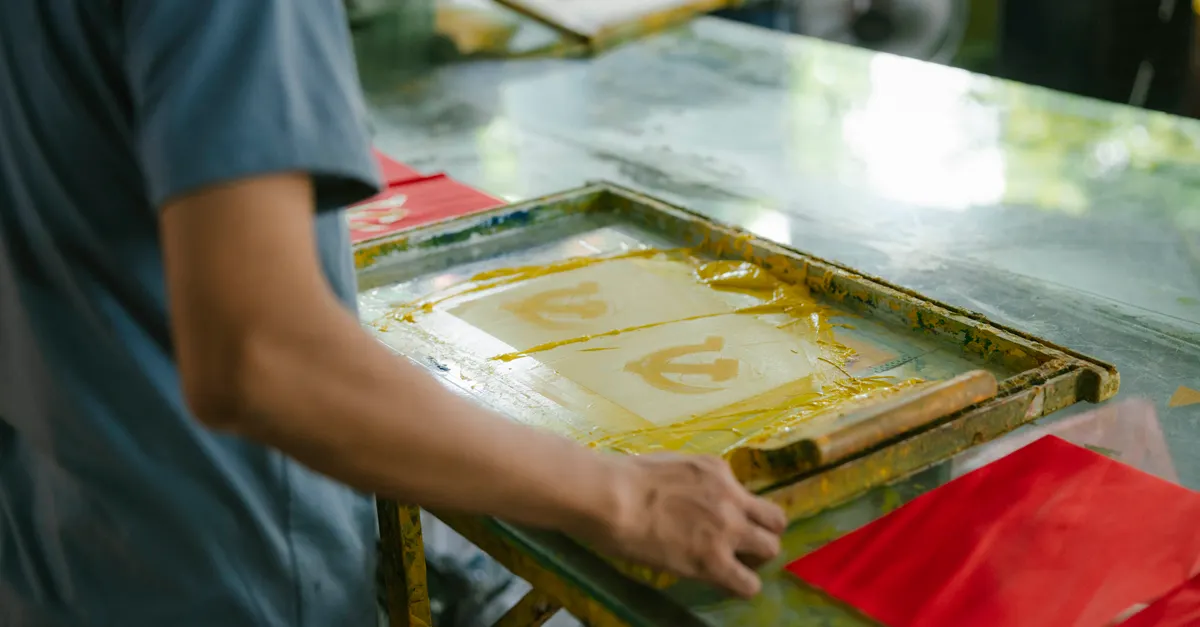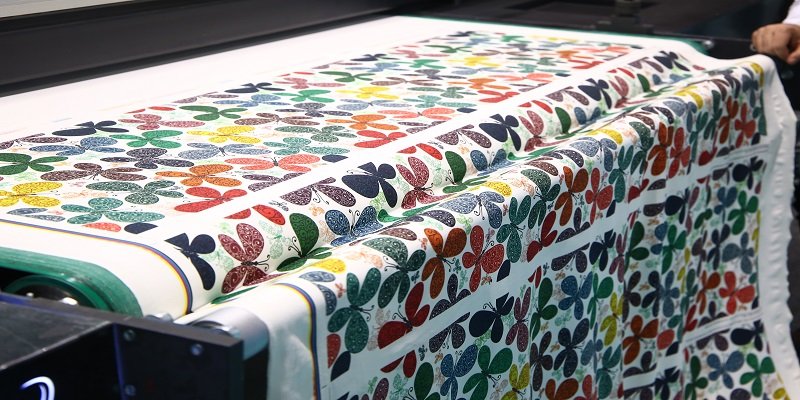
The fashion industry is undergoing a transformation as brands and consumers alike seek more sustainable and eco-friendly solutions. One area seeing significant innovation is textile printing, where water-based inks are emerging as a preferred choice for environmentally conscious labels. These inks offer a range of advantages that align with the values of modern sustainable fashion, from reducing environmental impact to improving the quality and safety of finished garments.
Understanding the benefits of water-based inks for sustainable fashion can help brands make informed decisions about their production processes. This guide explores the environmental, technical, and commercial reasons why water-based printing is gaining traction in the apparel sector.
For those interested in the intersection of advanced printing and eco-friendly textiles, you may also want to explore what is the future of smart textiles and printing for a broader look at innovation in this space.
Why Water-Based Inks Are a Sustainable Choice
Traditional textile printing often relies on plastisol inks, which contain PVC and phthalates—chemicals that can be harmful to both the environment and human health. In contrast, water-based inks are formulated with water as the primary solvent, minimizing the use of hazardous substances. This fundamental difference results in several key sustainability benefits:
- Lower VOC Emissions: Volatile organic compounds (VOCs) contribute to air pollution and smog. Water-based inks emit significantly fewer VOCs compared to their solvent-based counterparts.
- Biodegradability: The ingredients in water-based formulations are generally more biodegradable, reducing the environmental footprint of textile waste.
- Safer for Workers: The absence of toxic chemicals makes production environments safer for employees, aligning with ethical labor practices.
- Reduced Water Pollution: Effluent from water-based ink processes is less likely to contaminate local water sources, especially when proper wastewater treatment is in place.
Environmental Impact of Water-Based Printing
One of the most compelling benefits of water-based inks for sustainable fashion is their positive impact on the planet. The shift to water-based technologies addresses several pressing environmental concerns:
- Energy Efficiency: Many water-based inks cure at lower temperatures, reducing energy consumption during the drying process.
- Cleaner Waste Streams: Since these inks are free from heavy metals and persistent organic pollutants, the waste generated is less hazardous and easier to manage responsibly.
- Support for Circular Fashion: Garments printed with water-based inks are more compatible with recycling and composting initiatives, supporting the circular economy model.
For brands committed to reducing their carbon footprint, adopting water-based printing methods is a practical step toward more responsible manufacturing.
Quality and Performance Advantages
Beyond environmental factors, water-based inks offer technical benefits that appeal to both brands and consumers. These include:
- Soft Hand Feel: Prints created with water-based inks are softer and more breathable, enhancing wearer comfort—an important consideration for premium and sustainable apparel.
- Vivid Colors and Detail: Advances in ink chemistry have made it possible to achieve bright, long-lasting colors and intricate designs, rivaling the results of traditional plastisol printing.
- Durability: When properly cured, water-based prints can withstand repeated washing without significant fading or cracking, ensuring garments remain attractive over time.
These performance characteristics make water-based printing suitable for a wide range of applications, from everyday basics to high-end fashion collections.
Regulatory Compliance and Certifications
As regulations around chemical use in textiles become stricter, water-based inks help brands stay ahead of compliance requirements. Many water-based products are formulated to meet international standards such as OEKO-TEX® and GOTS (Global Organic Textile Standard), which restrict the use of harmful substances in textiles. This not only protects consumers but also opens up new market opportunities for brands seeking to export globally.
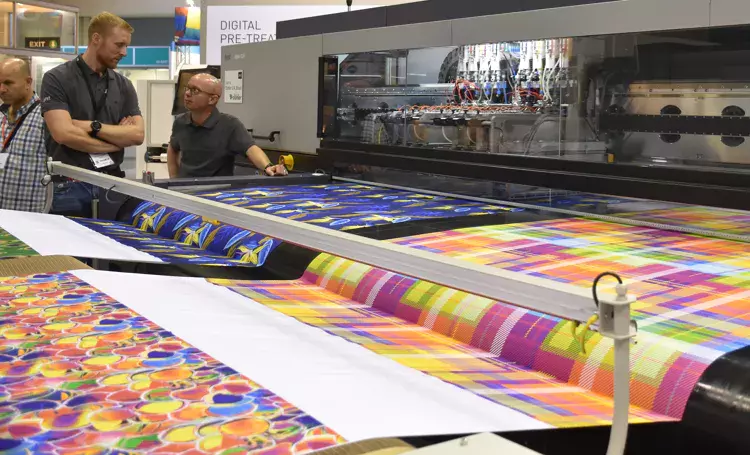
Certifications can also serve as a marketing advantage, signaling a brand’s commitment to sustainability and safety. For more on how digital printing technologies are shaping the industry, see this overview of digital textile printing technology.

Challenges and Considerations for Brands
While the benefits of water-based inks for sustainable fashion are clear, there are some practical considerations to keep in mind:
- Printing Conditions: Water-based inks can be sensitive to temperature and humidity, requiring careful control of the production environment.
- Fabric Compatibility: These inks work best on natural fibers like cotton and bamboo. Printing on synthetic fabrics may require additional pre-treatment or specialized formulations.
- Learning Curve: Transitioning from plastisol to water-based systems may involve retraining staff and investing in new equipment, but the long-term benefits often outweigh the initial challenges.
Despite these hurdles, many brands find that the environmental and quality gains justify the investment in water-based technology.
Integrating Water-Based Printing Into a Sustainable Supply Chain
For fashion labels committed to sustainability, adopting water-based inks is just one part of a broader strategy. Combining eco-friendly printing with responsible sourcing, ethical labor practices, and transparent supply chains creates a comprehensive approach to sustainability. Brands can further amplify their impact by:
- Partnering with certified suppliers who use renewable energy and minimize waste.
- Educating consumers about the environmental benefits of their printing choices.
- Exploring innovations such as digital printing, which can reduce water and ink consumption even further. For more insights, see how to use digital printing for fashion trend forecasting.
By taking a holistic view, brands can position themselves as leaders in the sustainable fashion movement.
Frequently Asked Questions
Are water-based inks safe for sensitive skin?
Yes, most water-based inks are free from harsh chemicals like PVC and phthalates, making them a safer choice for garments that come into direct contact with the skin. Many formulations are certified to meet strict safety standards, providing peace of mind for both brands and consumers.
Can water-based inks be used on all types of fabrics?
Water-based inks perform best on natural fibers such as cotton, linen, and bamboo. While some specialized products can be used on synthetics, results may vary and often require additional pre-treatment. Testing on a small sample is recommended before full-scale production.
How do water-based inks compare to plastisol in terms of durability?
When properly cured, water-based prints are highly durable and can withstand frequent washing without significant fading or cracking. The key is to ensure correct curing temperatures and times, which may differ from those used for plastisol inks.
Conclusion
The shift toward water-based inks represents a meaningful step forward for sustainable fashion brands. By reducing environmental impact, improving product safety, and delivering high-quality results, these inks align with the values of today’s conscious consumers. As technology continues to advance, water-based solutions are poised to become the new standard in eco-friendly textile printing.