The future of food-safe packaging is rapidly evolving as consumer expectations, regulatory requirements, and environmental concerns reshape the way food products are protected and presented. Advances in materials science, smart technologies, and sustainable practices are driving significant changes across the industry. Understanding these trends is essential for businesses, manufacturers, and consumers who want to ensure both safety and sustainability in the years ahead.
As packaging solutions adapt to new challenges, the intersection of food safety and innovation becomes more important than ever. For those interested in related advancements in materials and printing, exploring topics like what is the future of smart textiles and printing can provide additional insights into how technology is transforming everyday products.

Key Drivers Shaping Tomorrow’s Food Packaging
Several factors are influencing the transformation of food-safe packaging. These include stricter food safety regulations, consumer demand for transparency, and the urgent need to reduce environmental impact. As a result, packaging manufacturers are rethinking materials, design, and production processes to meet these new expectations.
- Regulatory Compliance: Governments worldwide are updating standards to ensure that packaging materials do not contaminate food or pose health risks. This includes tighter controls on chemical migration and allergen labeling.
- Consumer Awareness: Shoppers are more informed and concerned about what touches their food. They look for packaging that is not only safe but also clearly labeled and easy to recycle.
- Sustainability: The push to reduce single-use plastics and carbon footprints is leading to the adoption of biodegradable, compostable, and recyclable materials.
Innovative Materials and Technologies in Food-Safe Packaging
Material innovation is at the heart of the future of food-safe packaging. Companies are investing in new substrates and coatings that improve safety, extend shelf life, and support environmental goals.
Bioplastics and Plant-Based Alternatives
Bioplastics, made from renewable resources like corn starch or sugarcane, are gaining traction as alternatives to petroleum-based plastics. These materials can be compostable or biodegradable, reducing landfill waste and environmental harm. Plant-based films and coatings are also being developed to provide effective barriers against moisture and oxygen, ensuring food remains fresh and uncontaminated.
Active and Intelligent Packaging
Active packaging incorporates substances that interact with the food or its environment to extend shelf life or enhance safety. Examples include oxygen scavengers, moisture absorbers, and antimicrobial coatings. Intelligent packaging, on the other hand, uses sensors or indicators to monitor freshness, temperature, or contamination. These smart solutions can alert consumers and retailers if a product is no longer safe to eat, adding a new layer of protection.
Edible and Water-Soluble Films
Another emerging trend is the use of edible or water-soluble packaging. These films, made from proteins, polysaccharides, or other food-grade materials, can be consumed along with the food or dissolve harmlessly in water. This approach is particularly promising for single-serve items and convenience foods, where traditional packaging waste is a major concern.
Regulatory Trends and Compliance Challenges
As the landscape changes, staying compliant with food safety regulations is becoming more complex. Authorities such as the FDA in the United States and the European Food Safety Authority (EFSA) are updating their guidelines to address new materials and technologies. This includes stricter limits on chemical migration from packaging into food, as well as requirements for traceability and labeling.
For a deeper understanding of the requirements for safe packaging materials, see this comprehensive guide to food-grade packaging materials and requirements. Manufacturers must also keep up with local and international standards, which can vary significantly between regions.
Sustainability and the Circular Economy
Environmental concerns are driving a shift toward circular economy principles in packaging. This means designing products and systems that minimize waste, maximize reuse, and support recycling. The future of food-safe packaging will likely see a blend of compostable materials, reusable containers, and improved recycling infrastructure.
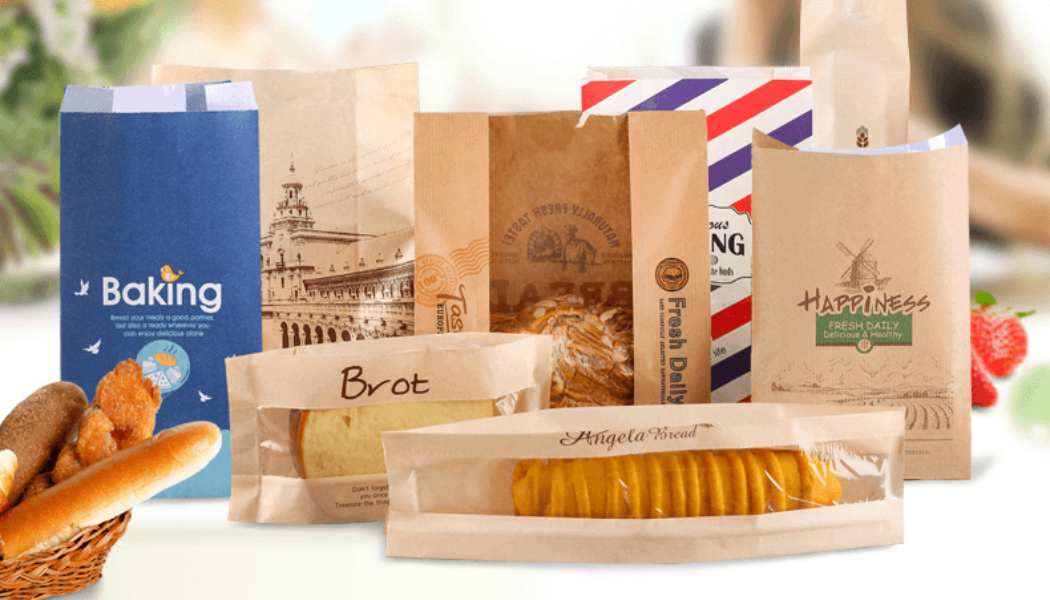
- Compostable Packaging: Made from plant fibers, starches, or other organic materials, these packages break down naturally in industrial composting facilities.
- Recyclable Solutions: Advances in mono-material packaging (using a single type of plastic or paper) make recycling easier and more efficient.
- Reusable Containers: Some brands are piloting returnable packaging systems, where containers are cleaned and refilled multiple times, reducing single-use waste.
Digitalization and Traceability in Packaging
Digital technologies are playing an increasing role in ensuring food safety and transparency. QR codes, RFID tags, and blockchain systems allow for real-time tracking of products from farm to table. This not only helps in recalling unsafe products quickly but also builds consumer trust by providing detailed information about sourcing, handling, and expiration dates.
Digital printing is also making it easier for brands to customize packaging, add security features, and respond quickly to regulatory changes. For those interested in how digital printing is influencing other industries, the article on how to use digital printing for fashion trend forecasting offers a look at similar trends in the fashion sector.
Challenges and Opportunities Ahead
While the industry is making significant progress, there are still hurdles to overcome. Cost remains a barrier for some sustainable materials and smart technologies. Ensuring compatibility between new packaging and existing food products is another challenge, as is educating consumers about proper disposal and recycling practices.
Despite these obstacles, the outlook is positive. Ongoing research, collaboration between stakeholders, and supportive policies are expected to accelerate the adoption of safer, greener, and smarter packaging solutions in the coming years.
FAQ: Common Questions About Food-Safe Packaging’s Next Era
What materials are considered the safest for food packaging?
Materials that are approved by regulatory agencies such as the FDA or EFSA are considered safe for food contact. Common options include certain plastics (like PET and HDPE), glass, stainless steel, and increasingly, bioplastics and plant-based films. The key is that these materials do not leach harmful chemicals into food and are manufactured under strict quality controls.
How does smart packaging improve food safety?
Smart packaging uses sensors, indicators, or digital tags to monitor the condition of food products. This can include tracking temperature, detecting spoilage, or providing real-time freshness information. These features help prevent foodborne illness and reduce waste by ensuring that only safe, high-quality food reaches consumers.
Are compostable and biodegradable packages always better for the environment?
Compostable and biodegradable packaging can reduce landfill waste, but their environmental benefits depend on proper disposal and the availability of composting facilities. It’s important to check local guidelines and ensure that these materials are processed correctly. In some cases, recyclable or reusable packaging may offer a better overall sustainability profile.
Looking Forward: What to Expect in Food Packaging
The coming years will bring more collaboration between scientists, manufacturers, and regulators to ensure that packaging keeps pace with changing food systems and consumer needs. As new materials, smart technologies, and sustainable practices become mainstream, the industry will continue to balance safety, convenience, and environmental responsibility.
Staying informed about these trends is crucial for businesses and consumers alike. By embracing innovation and supporting responsible choices, everyone can play a part in shaping a safer, more sustainable future for food packaging.