Understanding what is the difference between direct and indirect printing is essential for manufacturers aiming to optimize their production processes, manage costs, and deliver high-quality products. Both methods play crucial roles in textile, packaging, and industrial printing, but they differ significantly in technique, application, and outcomes. This article explores the core distinctions, practical implications, and how to choose the right approach for your manufacturing needs.
Manufacturers often face the challenge of selecting the most suitable printing process for their products, balancing factors like substrate compatibility, print quality, speed, and cost-effectiveness. Whether you’re working with textiles, plastics, or other materials, understanding these two approaches can help streamline operations and improve your end results.
For those interested in the nuances of ink types, you may also want to explore the difference between solvent and eco-solvent textile inks, which can further impact your printing decisions.
Defining Direct and Indirect Printing Methods
To grasp what is the difference between direct and indirect printing, it’s important to start with clear definitions of each process:
- Direct printing involves applying ink, dye, or pigment straight onto the substrate (such as fabric, paper, or plastic) in a single step. The image or pattern is transferred directly from the printing device to the material.
- Indirect printing uses an intermediate medium—such as a plate, blanket, or transfer paper—to first receive the image, which is then transferred onto the final substrate. This two-step process is common in techniques like offset lithography and heat transfer printing.
How Direct Printing Works
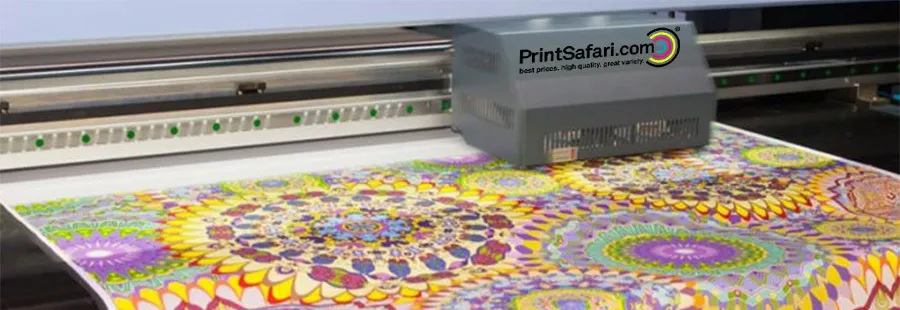
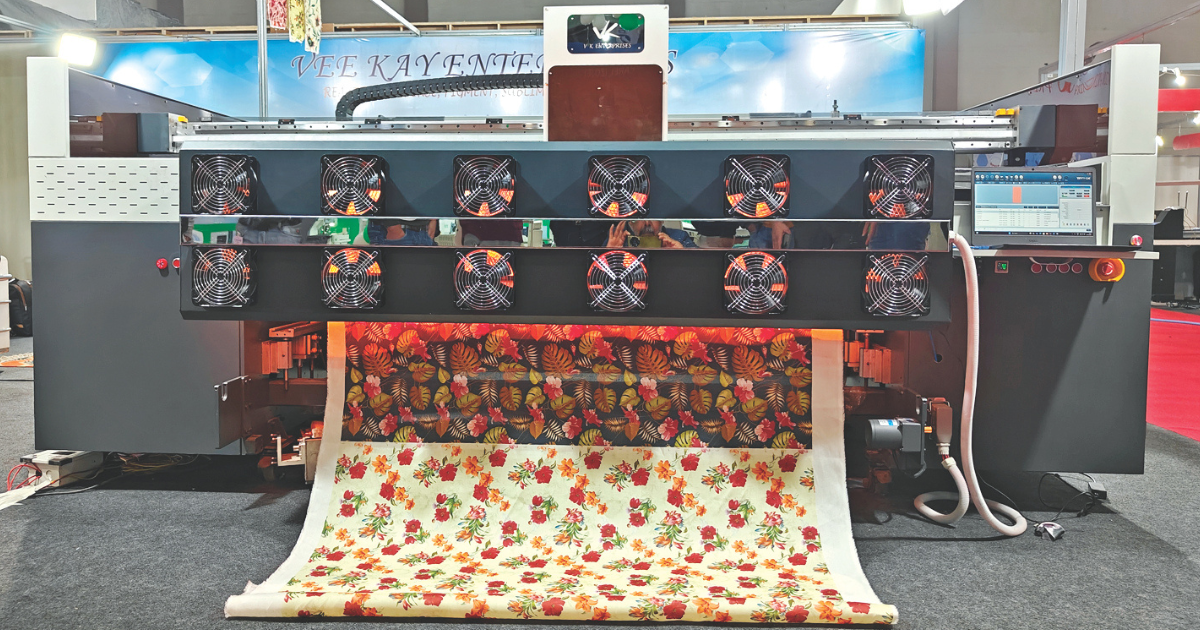
Direct printing is widely used in industries where speed, simplicity, and vibrant results are priorities. In this method, the printing mechanism—be it a screen, inkjet head, or roller—applies colorants directly to the surface of the material. Common examples include:
- Screen printing on textiles and garments
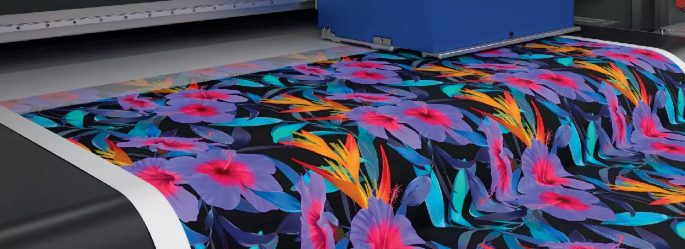
- Digital inkjet printing for fabrics and signage
- Pad printing for irregularly shaped objects
Direct methods are favored for short runs, custom designs, and when working with absorbent or receptive substrates. They often deliver vivid colors and sharp details, especially with modern digital technologies.
Understanding Indirect Printing Techniques
Indirect printing, by contrast, introduces an extra step: the image is first created on a temporary surface, then transferred to the final material. This approach is common in:
- Offset printing for books, magazines, and packaging
- Heat transfer printing for textiles and promotional items
- Gravure and flexographic printing for packaging films and labels
Indirect methods are often chosen for high-volume production, complex designs, and when working with substrates that are sensitive to direct ink application. The intermediate step can help achieve finer detail, consistent quality, and less wear on the substrate.
Comparing the Two Approaches: Key Factors
When evaluating what is the difference between direct and indirect printing, manufacturers should consider several critical factors:
| Aspect | Direct Printing | Indirect Printing |
|---|---|---|
| Process Steps | Single-step: image applied directly | Two-step: image transferred via intermediate |
| Setup Complexity | Generally simpler, faster setup | Requires plates, blankets, or transfer media |
| Print Quality | Vivid, especially for short runs | High consistency and fine detail |
| Cost Efficiency | Best for small batches and customization | Economical for large volumes |
| Substrate Compatibility | Works well on absorbent/receptive materials | Suitable for a broader range, including non-absorbent |
| Environmental Impact | Less waste, but depends on ink type | More waste from intermediates, but efficient for scale |
Advantages and Limitations for Manufacturers
Benefits of Direct Printing
- Speed and Flexibility: Quick setup and turnaround, ideal for custom orders and prototypes.
- Lower Initial Investment: Fewer consumables and equipment required.
- Vibrant Results: Direct application often yields bold, saturated colors.
Drawbacks of Direct Methods
- Limited Substrate Range: Not always suitable for non-absorbent or heat-sensitive materials.
- Potential for Ink Bleed: On certain fabrics or surfaces, ink may spread or blur.
- Less Efficient for Large Runs: Higher per-unit cost at scale compared to indirect methods.
Strengths of Indirect Printing
- Consistent Quality: Intermediate transfer ensures even application and fine detail.
- Versatile Substrate Use: Can print on plastics, metals, films, and more.
- Cost-Effective for Volume: Economies of scale make it ideal for long runs.
Challenges with Indirect Approaches
- Higher Setup Costs: Plates, blankets, or transfer papers add to initial investment.
- Longer Preparation Time: More steps mean slower changeovers for new designs.
- Environmental Considerations: Waste from transfer media and chemicals can be an issue.
Choosing the Right Printing Method for Your Needs
When deciding between these two printing strategies, consider the following:
- Order Size: Direct methods are ideal for small batches and customization; indirect is better for mass production.
- Material Type: If printing on specialty or non-absorbent substrates, indirect may be necessary.
- Design Complexity: Indirect techniques often handle intricate or multi-color designs more effectively.
- Budget and Timeline: Direct printing offers lower upfront costs and faster turnaround for short runs.
- Sustainability Goals: Evaluate waste and chemical usage for each method.
For those working with sustainable materials, you may also find value in learning how to print on sustainable bamboo fabrics, as the choice of printing method can impact both quality and eco-friendliness.
Industry Examples and Applications
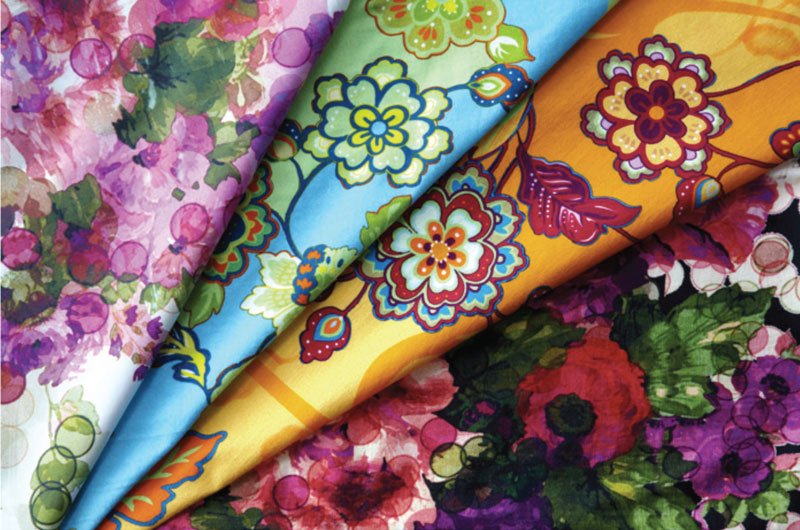
- Textiles: Direct digital printing is popular for fashion and home décor, while heat transfer (indirect) is used for sportswear and promotional items.
- Packaging: Offset (indirect) dominates for cartons and labels; direct inkjet is growing for short-run packaging and personalization.
- Industrial Components: Pad printing (direct) is used for electronics and automotive parts, while gravure (indirect) serves flexible packaging films.
For a deeper dive into digital fabric printing processes, see this comprehensive guide to digital fabric printing.
Frequently Asked Questions
What are the main benefits of direct printing for manufacturers?
Direct printing offers fast setup, lower initial investment, and is ideal for custom or short-run jobs. It produces vibrant results and is especially effective on absorbent materials like textiles and paper.
When should a manufacturer choose indirect printing?
Indirect printing is best suited for high-volume production, complex or multi-color designs, and when working with substrates that cannot tolerate direct ink application. It ensures consistent quality and is cost-effective at scale.
How does substrate type influence the choice between direct and indirect methods?
The nature of the substrate is a key factor. Direct printing works well on absorbent or receptive materials, while indirect methods are better for non-absorbent, heat-sensitive, or specialty surfaces. Always consider the compatibility of your chosen method with the material being printed.
Conclusion
Understanding what is the difference between direct and indirect printing empowers manufacturers to make informed decisions that affect product quality, efficiency, and cost. By evaluating your specific needs—such as order size, substrate, design complexity, and sustainability goals—you can select the most effective printing process for your operation. As technology evolves, both direct and indirect methods continue to offer valuable solutions across a wide range of industries.