The rapid development of space 3D printing technology is transforming how we approach manufacturing in orbit and on other celestial bodies. As humanity sets its sights on long-term missions to the Moon, Mars, and beyond, the ability to create tools, spare parts, and even habitats directly in space is becoming increasingly essential. This guide explores how additive manufacturing is enabling new possibilities for space exploration, the challenges involved, and the future of off-Earth production.
By leveraging 3D printing in microgravity, astronauts and engineers can overcome the logistical and financial hurdles of launching every needed component from Earth. This shift is not only about convenience—it’s about sustainability, adaptability, and the potential for self-sufficiency far from home. For those interested in the broader impacts of advanced printing methods, you might also find value in learning about the benefits of micro-factory models for fashion printing, which highlight similar themes of efficiency and localized production.
How Additive Manufacturing Works in Space
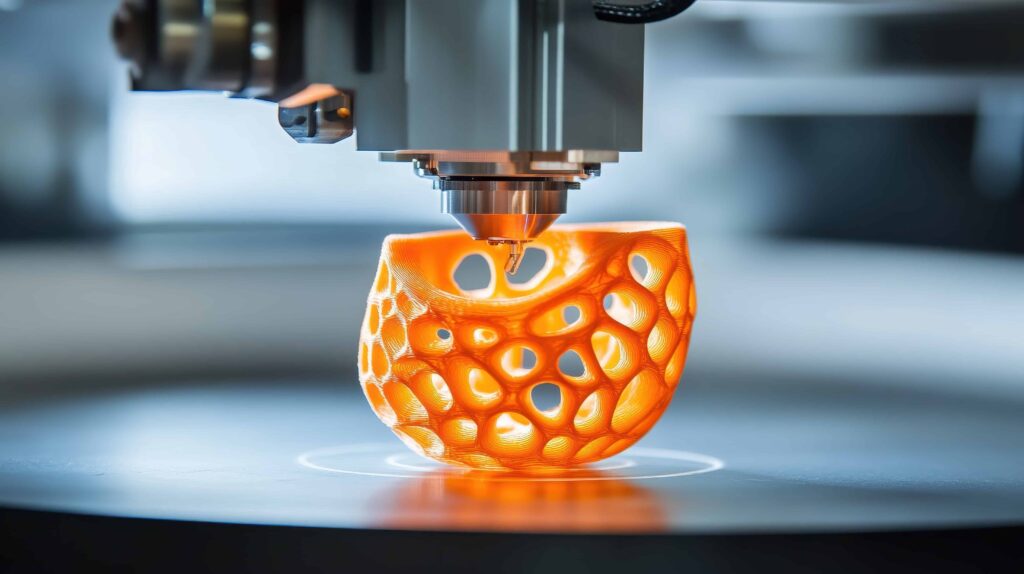
At its core, space 3D printing technology uses additive manufacturing principles to build objects layer by layer from digital models. Unlike traditional subtractive methods, which remove material from a solid block, 3D printing minimizes waste and allows for complex geometries that would be difficult or impossible to achieve otherwise.
In microgravity, the process faces unique challenges. Materials behave differently without the force of gravity, and printers must be designed to operate reliably in the harsh environment of space. NASA and other agencies have tested various printers aboard the International Space Station (ISS), successfully fabricating tools, medical devices, and experimental parts.
For a deeper dive into the mechanics of 3D printing, including how different technologies work and real-world examples, check out this comprehensive overview of 3D printing mechanisms.
Key Benefits of Off-Earth 3D Printing
The advantages of manufacturing in orbit or on planetary surfaces are significant:
- Reduced Launch Mass: Only raw materials or feedstock need to be sent from Earth, not every finished product.
- On-Demand Production: Astronauts can create replacement parts or custom tools as needed, reducing mission risk.
- Design Flexibility: Digital files can be updated and transmitted from Earth, allowing for rapid iteration and adaptation.
- Resource Utilization: Future missions may use local materials (regolith, ice) as feedstock, further decreasing dependence on Earth-based supply chains.
Materials and Methods for Space-Based Printing
The choice of materials is critical for successful additive manufacturing beyond Earth. Early experiments have focused on plastics like ABS and ULTEM, which are lightweight and easy to process. However, research is expanding into metals, composites, and even regolith-based materials for lunar or Martian construction.
Several printing methods have been adapted for space use:
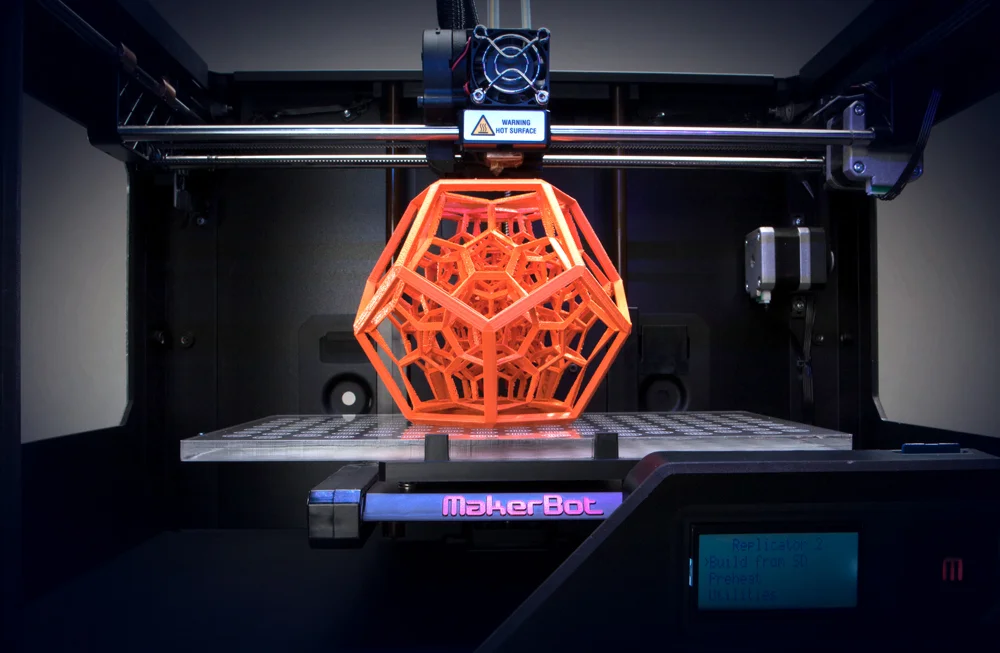
- Fused Deposition Modeling (FDM): Melts and extrudes thermoplastic filaments to build up objects. This method is reliable and has been used on the ISS.
- Stereolithography (SLA): Uses light to cure liquid resin layer by layer, offering high precision for small parts.
- Selective Laser Melting (SLM): Fuses metal powders using lasers, enabling the creation of strong, functional metal components.
The ability to print with local resources is a major focus for future missions. For example, using lunar regolith as a base material could make it possible to construct habitats, landing pads, or radiation shields directly on the Moon.
Challenges and Solutions in Microgravity Manufacturing
While the potential is enormous, space 3D printing technology must overcome several technical and operational hurdles:
- Material Handling: Powders and liquids behave unpredictably in microgravity, requiring sealed systems and precise controls.
- Quality Assurance: Inspecting and verifying printed parts is more difficult without gravity, demanding new non-destructive testing methods.
- Reliability: Printers must function autonomously for long periods, often with limited maintenance or support.
- Energy Use: Power is at a premium in space, so printers must be efficient and robust.
Agencies and private companies are addressing these issues through rigorous testing, automation, and the development of specialized hardware. The lessons learned from space-based printing are also influencing terrestrial applications, particularly in remote or resource-limited environments.
Applications and Future Prospects for 3D Printing Beyond Earth
The range of potential uses for additive manufacturing in orbit and on other worlds is expanding rapidly:
- Tool and Spare Part Fabrication: Astronauts can print custom tools or replacement parts on demand, reducing mission delays.
- Medical Devices: Customized medical tools and even bioprinted tissues could support crew health on long-duration missions.
- Habitat Construction: Large-scale printers may one day build shelters, radiation shields, or infrastructure using local materials.
- Satellite and Probe Assembly: Future missions could assemble or repair satellites in orbit, extending their operational life.
As the technology matures, the vision of self-sustaining outposts on the Moon or Mars becomes more realistic. The ability to adapt and create what is needed, when it is needed, will be a cornerstone of deep space exploration.
Comparisons With Terrestrial Printing Innovations
The advancements in off-Earth manufacturing have parallels in other industries. For example, the textile sector has seen a shift toward more flexible, localized production methods. If you’re interested in how these trends are playing out in fashion, you might want to explore what is soft hand feel in garment printing, which discusses new approaches to fabric finishing and customization.
Both in space and on Earth, the move toward digital, on-demand manufacturing is reshaping supply chains, reducing waste, and enabling greater creativity. As more sectors adopt these technologies, the lessons learned from space-based 3D printing will continue to inform innovations in design, materials, and process control.
Frequently Asked Questions
What are the main challenges of 3D printing in space?
The primary obstacles include handling materials in microgravity, ensuring consistent print quality, maintaining printer reliability with minimal maintenance, and operating within strict energy constraints. Specialized hardware and automation are being developed to address these issues.
Can 3D printers use materials found on the Moon or Mars?
Research is underway to adapt printers for use with local resources such as lunar regolith or Martian soil. Early results are promising, suggesting that future missions could build habitats and infrastructure directly from materials found on-site.
How does space-based 3D printing benefit Earth industries?
Innovations developed for off-Earth manufacturing often translate to terrestrial applications, especially in remote or resource-limited areas. Improvements in automation, material efficiency, and design flexibility are already influencing sectors like aerospace, construction, and healthcare.