Sublimation printing has become a preferred method among professionals seeking vibrant, durable, and detailed prints on a range of substrates. As the industry evolves, so do the expectations for quality and versatility. Mastering advanced sublimation printing techniques is essential for those looking to push the boundaries of what’s possible, whether producing custom apparel, signage, or specialty products. This guide explores the specialized methods, materials, and expert tips that elevate results beyond the basics.
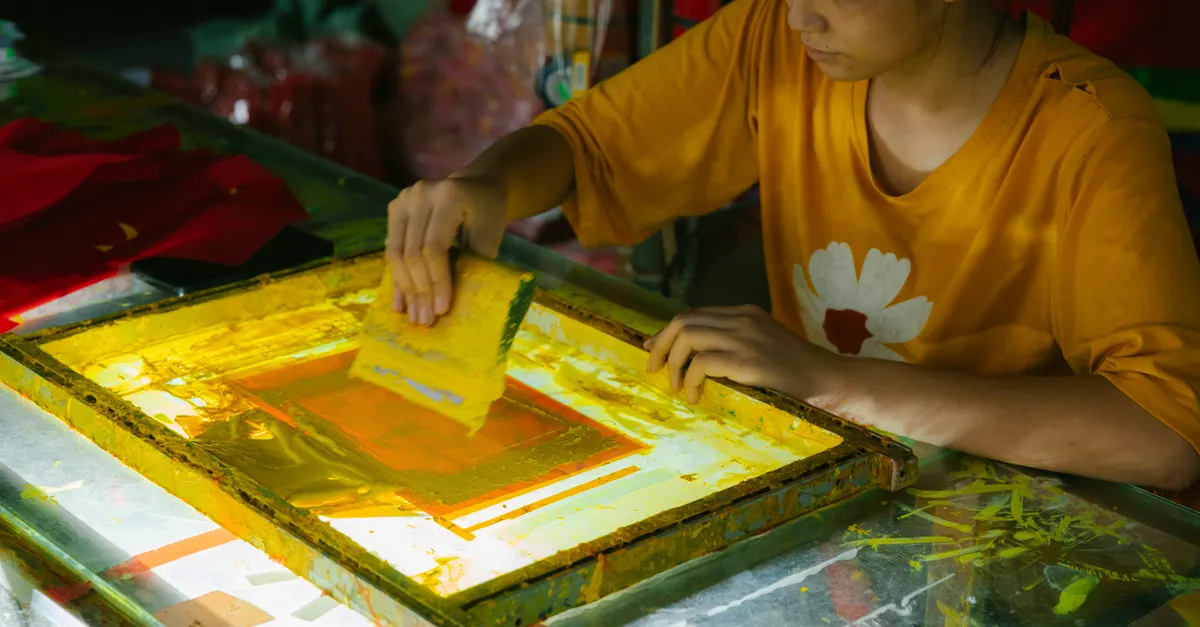
Exploring Advanced Sublimation Printing Methods
At its core, sublimation printing uses heat to transfer dye onto materials, turning the dye into a gas that bonds with the substrate without passing through a liquid phase. Professionals have access to several advanced methods, each suited to different applications and production scales.
Heat Press Sublimation
The most widely used approach, heat press sublimation, involves placing a printed transfer onto a substrate and applying heat and pressure. This method is ideal for apparel, promotional items, and rigid blanks like mugs or tiles. For professionals, investing in high-quality heat presses with precise temperature and pressure controls is crucial for consistent, vibrant results. Dual-platen and pneumatic presses offer increased efficiency and uniformity for high-volume production.
Roller (Calendar) Sublimation Printing
For large-format textiles and continuous yardage, roller sublimation printing—also known as calendar transfer—enables seamless transfers onto fabrics such as banners, sportswear, and home décor. This method uses heated rollers to apply even pressure and temperature across wide surfaces, making it suitable for all-over prints and long production runs. Roller systems can handle rolls of fabric, reducing manual handling and increasing throughput.
Inkjet Sublimation Printing
Inkjet sublimation printing leverages specialized printers equipped with sublimation inks. This technique is favored for its precision and ability to produce high-resolution images, gradients, and fine details. Professionals often use wide-format inkjet printers for signage, photographic panels, and custom graphics. Advanced RIP (Raster Image Processor) software allows for color management and workflow automation, ensuring color accuracy and repeatability across jobs.
Each method offers unique advantages. Heat press systems are versatile and accessible, roller presses excel in textile applications, and inkjet systems provide unmatched detail for photographic work. The choice depends on the intended product, production volume, and desired print quality.
Choosing the Right Materials and Equipment
Achieving professional-grade results in sublimation printing relies heavily on the selection of materials and equipment. The compatibility and quality of these components directly influence the vibrancy, durability, and feel of the final product.
Substrates: Polyester and Beyond
Polyester fabrics remain the gold standard for sublimation due to their ability to bond with sublimation dyes at a molecular level. The higher the polyester content, the more vivid and permanent the print. For rigid items, substrates are typically coated with a polyester layer to accept the dye. Common examples include aluminum panels, ceramic mugs, and polymer-coated wood.
While polyester is dominant, professionals are increasingly experimenting with treated substrates to expand creative possibilities. For instance, those interested in unique surfaces may explore sublimation printing on wood for custom décor and signage, provided the wood is properly coated to accept the dye.
Sublimation Inks and Paper
High-quality sublimation inks are engineered for color vibrancy, lightfastness, and smooth gradations. Professional printers often use OEM (original equipment manufacturer) inks or reputable third-party options tested for their specific equipment. Sublimation paper is equally important; it must release the dye efficiently during transfer without bleeding or ghosting. Papers designed for fast drying and high ink load are preferred for sharp, consistent results.
Essential Equipment for Professionals
- Heat Presses: Precision temperature and pressure controls, even heat distribution, and adjustable platens.
- Wide-Format Inkjet Printers: Capable of handling large transfer sheets and compatible with professional-grade sublimation inks.
- Roller/Calendar Presses: For continuous textile printing and large-format applications.
- Color Management Tools: Spectrophotometers and calibration software to ensure color consistency across different jobs and substrates.
- Cutting and Finishing Tools: Rotary cutters, trimmers, and finishing presses for post-print processing.
Investing in reliable, well-maintained equipment and sourcing materials from trusted suppliers are foundational steps for any professional operation.
Professional Tips for Superior Sublimation Results
Even with the best equipment and materials, achieving flawless prints requires attention to detail and mastery of advanced sublimation printing techniques. The following tips help professionals overcome common challenges and consistently deliver high-quality results.
Optimize Artwork Preparation
Start with high-resolution images and convert artwork to the appropriate color profile, typically RGB or a custom ICC profile tailored to your printer and substrate. Avoid compressing files, as this can introduce artifacts. Use vector graphics where possible for scalability and sharpness.
Control Environmental Factors
Humidity and temperature in the print environment can affect ink drying and transfer quality. Maintain a stable, moderate climate to prevent issues like paper cockling or ink bleeding. Store sublimation paper and blanks in a controlled environment to avoid moisture absorption.
Fine-Tune Press Settings
Experiment with temperature, pressure, and dwell time to match the substrate and ink combination. Too much heat can cause color shifts or substrate damage, while insufficient heat may result in dull prints. Keep a log of successful settings for different products to streamline future jobs.
Prevent Ghosting and Blurring
Ghosting occurs when the transfer paper shifts during pressing, creating a shadow effect. To prevent this, use heat-resistant tape to secure the transfer and avoid opening the press too quickly. For textiles, pre-press the fabric to remove moisture and wrinkles before applying the transfer.
Regular Maintenance and Calibration
Clean printheads, platens, and rollers regularly to avoid ink buildup and ensure even pressure. Calibrate color profiles periodically, especially when changing inks or substrates, to maintain color accuracy.
Addressing Common Challenges
- Color Inconsistencies: Use color management tools and test prints to match expectations.
- Uneven Transfers: Ensure even pressure and full contact between the transfer and substrate.
- Ink Smudging: Allow prints to dry fully before handling and use fast-drying papers.
By refining these processes and keeping detailed records, professionals can troubleshoot issues efficiently and maintain a reputation for quality.
Summary: Advancing Your Sublimation Printing Practice
Mastery of advanced sublimation printing techniques opens up new creative and commercial opportunities for professionals. By understanding the strengths of different methods, choosing the right materials and equipment, and applying expert tips, it’s possible to achieve results that stand out in a competitive market. Continuous learning and adaptation are key—technology and materials evolve, and so should your approach. Whether producing custom apparel, signage, or specialty products, attention to detail and a commitment to quality will set your work apart.
Frequently Asked Questions
What are the main differences between heat press and roller sublimation printing?
Heat press sublimation is typically used for individual items or smaller runs, offering versatility for a range of substrates. Roller (calendar) sublimation is designed for continuous, large-format textile printing, providing efficiency and uniformity for high-volume production.
Why is polyester preferred for sublimation printing?
Polyester’s chemical structure allows sublimation dyes to bond at a molecular level, resulting in vibrant, permanent prints. Other materials generally require a polyester coating to achieve similar results, as natural fibers like cotton do not retain sublimation dyes effectively.
How can I avoid ghosting in my sublimation prints?
To prevent ghosting, secure the transfer paper with heat-resistant tape and avoid moving the substrate during pressing. Pre-pressing fabrics to remove moisture and handling the press carefully when opening can also help eliminate shadow effects.