Sublimation printing has opened up creative possibilities for personalizing a wide range of surfaces, and wood has become an increasingly popular medium for these vibrant, durable transfers. While the process offers unique visual effects and a natural look, it also brings specific challenges and safety considerations. Understanding the right methods, materials, and safe handling practices is essential for anyone interested in exploring this technique, whether for home decor, gifts, or small business applications.
Understanding Sublimation Printing on Wood Surfaces
Sublimation printing is a process where special inks are transferred onto a material using heat and pressure, turning the ink into a gas that bonds with the surface. Traditionally used on polyester fabrics, this method has been adapted for use on hard surfaces like wood, offering a way to create custom signs, photo panels, and decorative pieces. Wood appeals to creators because of its organic texture and the warmth it brings to finished products. However, the process is not as straightforward as with textiles, and requires careful preparation and attention to safety.
Techniques for Achieving Quality Sublimation Prints on Wood
There are several established methods for sublimation printing on wood, each with its own advantages and limitations. The most common approaches involve either applying a special coating to the wood or using pre-treated blanks designed for sublimation.
- Laminating Sheets: One popular method involves adhering a clear laminating sheet to the wood surface before applying the sublimation transfer. The laminate acts as a polyester-rich layer, allowing the ink to bond effectively. This approach is valued for its simplicity and the glossy finish it provides, but it may not suit every design or desired texture.
- Polycrylic Coating: Another technique uses a water-based polycrylic finish, brushed or sprayed onto the wood. Once dry, this coating creates a receptive surface for sublimation ink. The process can be more involved, requiring multiple coats and thorough drying, but it allows for a more natural wood feel compared to laminating sheets.
- Pre-Coated Sublimation Blanks: For those seeking consistent results, purchasing wood blanks that are pre-coated for sublimation is a reliable option. These products are manufactured with a specialized polyester layer, ensuring optimal ink absorption and reducing the risk of errors during the transfer process.
Each method requires careful temperature and pressure control, typically using a heat press. The choice of technique often depends on the desired finish, available equipment, and the specific project at hand.
Essential Materials and Tools for Wood Sublimation
Successful wood sublimation relies on using the right combination of materials and equipment. The following items are commonly required:
- Sublimation Printer: A printer capable of using sublimation ink, such as an Epson EcoTank model with Hiipoo Sublimation Ink, is essential for producing high-quality transfers.
- Sublimation Paper: Specialized paper designed to hold and release sublimation ink during the heat press process.
- Heat Press: A flat press that can reach the necessary temperatures (often around 400°F/204°C) and apply even pressure is crucial for transferring the design onto wood.
- Sublimation Coating: Either a commercial sublimation spray, polycrylic, or laminating sheets to create a receptive surface on the wood.
- Protective Equipment: Heat-resistant gloves, masks, and proper ventilation are important for safety, especially when working with coatings or high temperatures.
Some creators also use silicone mats, parchment paper, or heat-resistant tape to secure the transfer and protect the heat press. The choice of tools can influence the quality of the final result and the safety of the process.
Comparing Wood Types: MDF, Chipboard, and Natural Wood
A key factor in the outcome of sublimation printing on wood is the type of wood used. Each variety interacts differently with coatings and heat, affecting color vibrancy, sharpness, and durability.
- MDF (Medium-Density Fiberboard): MDF is a popular choice because of its smooth, uniform surface. It absorbs coatings evenly and provides a consistent base for sublimation. The lack of grain or knots means fewer imperfections, leading to crisp, clear images. However, MDF is engineered from wood fibers and adhesives, so it may not offer the same natural look as solid wood.
- Chipboard: Similar to MDF but made from larger wood particles, chipboard is less dense and can be more porous. This can result in uneven coating absorption and less predictable transfer results. While it is an affordable option, it may not be ideal for projects requiring high-definition images or long-term durability.
- Natural Wood: Using solid wood (such as maple, birch, or pine) introduces unique grain patterns and color variations. While this adds character, it can also create challenges. Natural wood may absorb coatings unevenly, and knots or resin pockets can interfere with the transfer. Some species are more receptive to coatings and heat than others, so testing small samples is recommended before committing to a full project.
Ultimately, the choice between MDF, chipboard, and natural wood depends on the desired aesthetic and the level of detail required. For projects where image clarity is paramount, MDF or pre-coated blanks are often preferred. For rustic or organic looks, natural wood may be the better option, provided the surface is properly prepared and tested.
Safety Measures and Best Practices for Sublimating on Wood
Working with heat presses and chemical coatings introduces physical risks that should not be underestimated. Safe preparation and handling are essential to avoid burns, respiratory irritation, or other hazards.
- Ventilation: Always work in a well-ventilated area, especially when applying polycrylic or other chemical coatings. Fumes from these substances can be harmful if inhaled over time.
- Protective Gear: Wear heat-resistant gloves when operating a heat press, and consider using a mask when spraying or brushing coatings. Eye protection is also recommended to guard against splashes.
- Material Inspection: Before starting, inspect all materials for damage or defects. Warped wood, cracked coatings, or contaminated surfaces can lead to poor results or unsafe conditions.
- Professional Assistance: If you are unsure about handling chemicals or operating a heat press, seek guidance from experienced professionals. Some projects may require specialized equipment or expertise to ensure safety and quality.
- Follow Manufacturer Instructions: Always adhere to the guidelines provided with your coatings, inks, and equipment. Each product may have specific requirements for temperature, drying time, or application method.
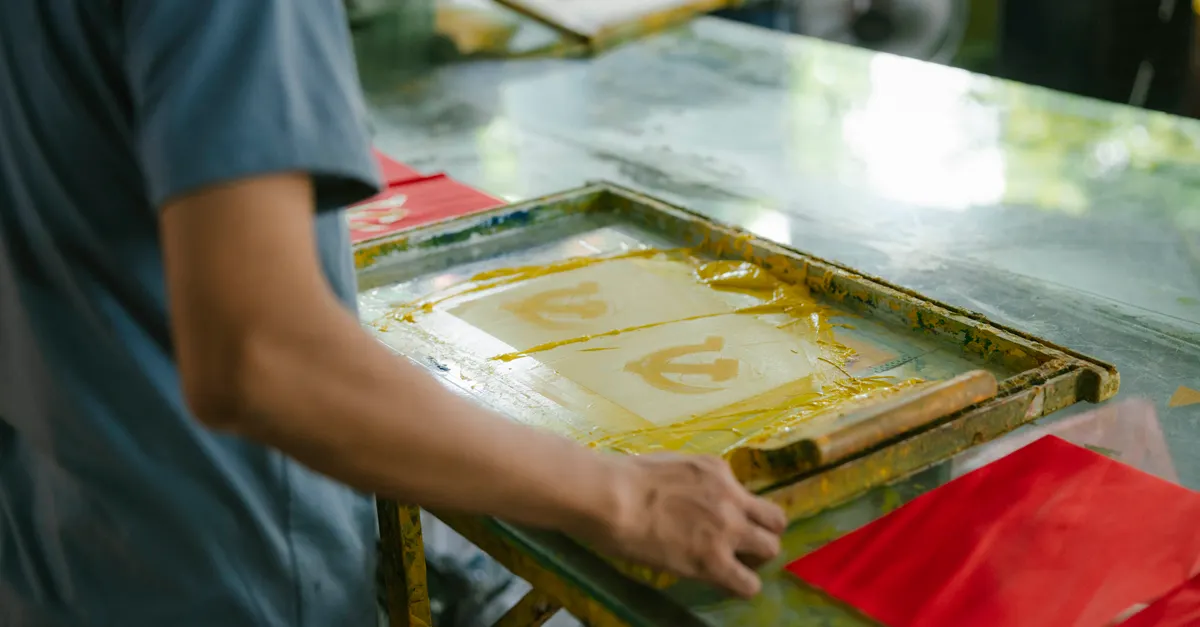
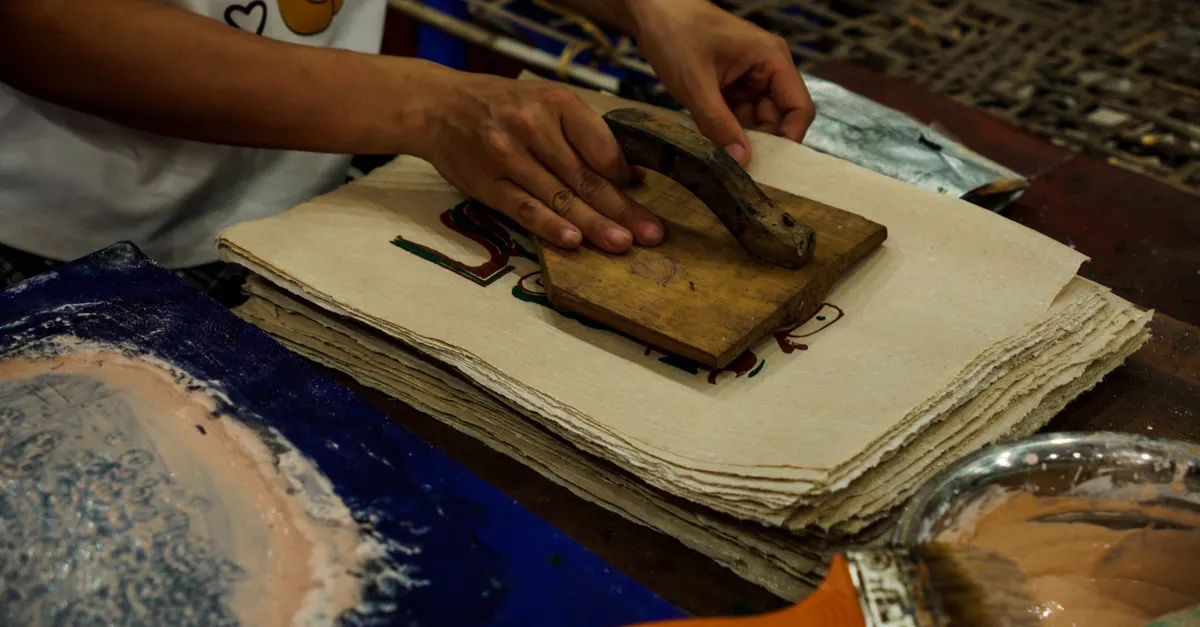
By prioritizing safety and following best practices, you can reduce risks and improve the overall quality of your wood sublimation projects. For more information on related printing methods and how they compare, you may find value in exploring screen printing techniques for home decor as an alternative or complementary approach.

Conclusion and Emerging Trends in Wood Sublimation
Sublimation printing on wood offers a blend of creativity and technical challenge, with results that can be both striking and durable when the right methods and materials are used. The choice of wood type, preparation technique, and attention to safety all play crucial roles in the outcome. As the field evolves, new coatings, eco-friendly materials, and advanced equipment are likely to make the process more accessible and versatile. Staying informed about these developments and maintaining a focus on safe, high-quality practices will help both hobbyists and professionals achieve the best possible results.
Frequently Asked Questions
Can sublimation be done directly on untreated wood?
No, untreated wood does not have the necessary polyester content to bond with sublimation ink. A special coating, such as polycrylic or a laminating sheet, must be applied to create a suitable surface for the transfer.
What are the main safety risks when sublimating on wood?
The primary risks include burns from the heat press and exposure to fumes from coatings like polycrylic. Always use protective gear, work in a ventilated area, and follow all manufacturer instructions to minimize hazards.
Which type of wood gives the best results for sublimation printing?
MDF is often preferred for its smooth, uniform surface, which allows for crisp and vibrant transfers. However, natural wood can offer unique visual effects if properly prepared, while chipboard may be less consistent due to its porous nature.