When creating custom parts with 3D printing, the choice of material is one of the most important decisions you’ll make. The right selection impacts not only the strength and durability of the finished piece but also its appearance, cost, and suitability for specific uses. With the growing range of 3D printing materials for custom parts, understanding the differences between them is essential for achieving the best results in your projects.
Understanding Material Options for Custom 3D Prints
The world of 3D printing offers a broad spectrum of materials, each with unique properties and ideal applications. The most common categories include thermoplastics, composites, and metals. Let’s explore the main types and their key characteristics:
- Thermoplastics: These are the most widely used materials in desktop and industrial 3D printing. Popular options include PLA (Polylactic Acid), ABS (Acrylonitrile Butadiene Styrene), PETG (Polyethylene Terephthalate Glycol), and Nylon. Thermoplastics are valued for their ease of use, affordability, and versatility. PLA is known for its ease of printing and biodegradability, while ABS offers higher impact resistance and temperature tolerance.
- Composites: Composite filaments combine a base polymer with reinforcing materials such as carbon fiber, glass fiber, or even metal particles. These blends provide enhanced strength, stiffness, and sometimes improved heat resistance compared to standard thermoplastics. For example, carbon fiber-reinforced nylon is popular for functional prototypes and end-use parts that require high strength-to-weight ratios.
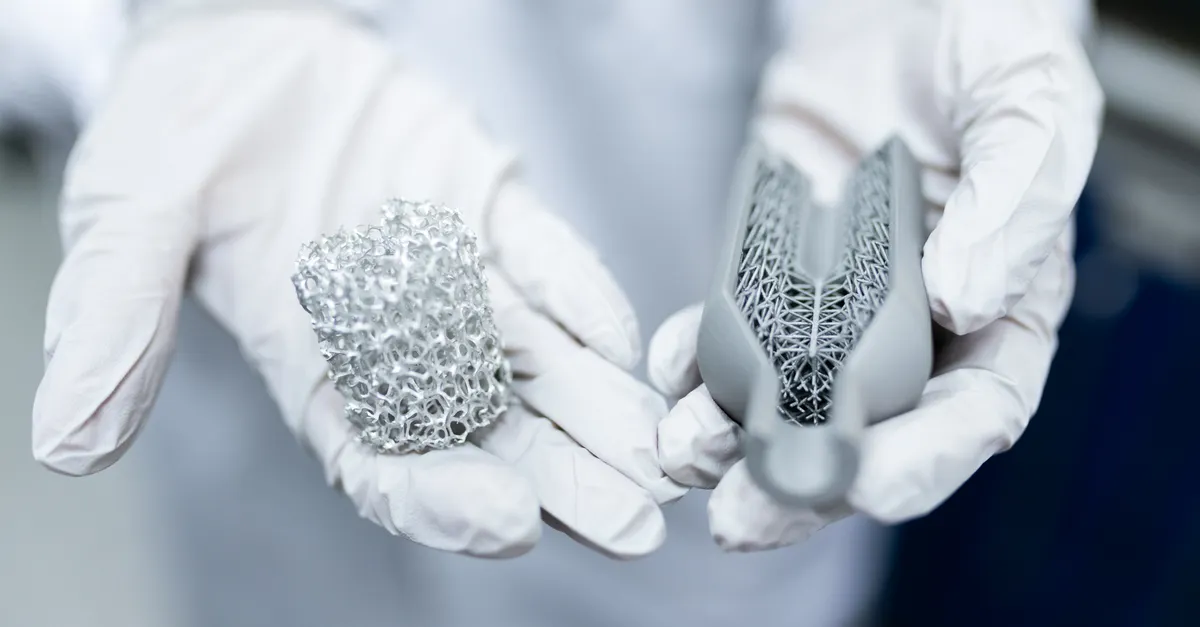
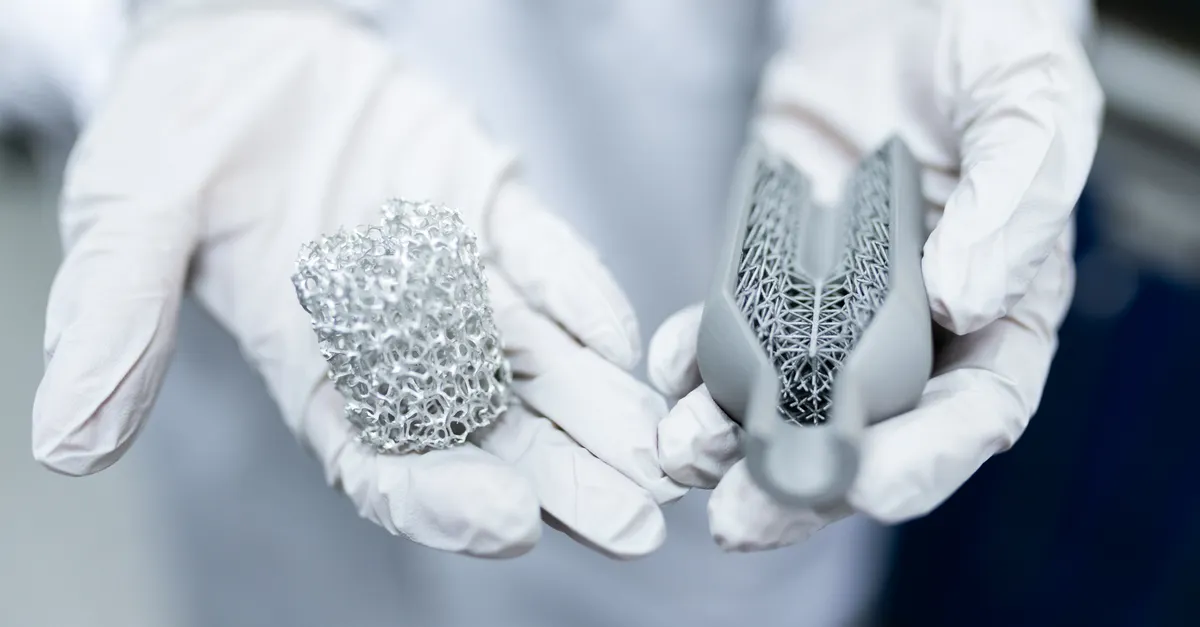
- Metals: Metal 3D printing, using processes like Direct Metal Laser Sintering (DMLS) or Selective Laser Sintering (SLS), allows for the creation of robust, functional metal parts. Common metals include stainless steel, titanium, and aluminum. These are chosen for their mechanical properties and are often used in aerospace, automotive, and medical industries for custom components.
- Resins: Stereolithography (SLA) and Digital Light Processing (DLP) printers use liquid photopolymer resins. These materials can produce highly detailed and smooth parts, making them ideal for prototypes, dental models, and jewelry. Specialized resins are available for engineering, flexible, or castable applications.
- Elastomers: Flexible materials like TPU (Thermoplastic Polyurethane) and TPE (Thermoplastic Elastomer) are used when rubber-like properties are needed. These are suitable for gaskets, seals, and wearable parts due to their flexibility and resilience.
Each of these material types is compatible with specific 3D printing technologies, such as Fused Filament Fabrication (FFF), Multi Jet Fusion (MJF), Stereolithography (SLA), and PolyJet. The choice of printer often determines which materials you can use for your custom parts.
Comparing Material Properties for Custom Applications
When selecting 3D printing materials for custom parts, it’s crucial to compare their physical and mechanical properties. The most relevant factors include:
| Material | Strength | Durability | Flexibility | Heat Resistance | Surface Finish |
|---|---|---|---|---|---|
| PLA | Moderate | Low | Low | Low | Smooth |
| ABS | High | Moderate | Moderate | Moderate | Matte |
| PETG | Moderate | High | Moderate | Moderate | Glossy |
| Nylon | High | High | High | High | Semi-smooth |
| Carbon Fiber Nylon | Very High | High | Low | High | Textured |
| TPU/TPE | Low | High | Very High | Low | Rubbery |
| Stainless Steel | Very High | Very High | Low | Very High | Metallic |
| Resins (SLA) | Varies | Varies | Varies | Varies | Very Smooth |
For custom parts, the ideal material depends on the specific requirements of your project. For example, if you need a prototype with intricate details, SLA resins are often preferred. For functional parts requiring high impact resistance, ABS or carbon fiber composites are more suitable. If flexibility is a priority, TPU or TPE are the best choices.
Material Selection by Application
Different custom part applications demand different material properties. Here are some common scenarios and recommended materials:
- Functional Prototypes: ABS, PETG, and nylon offer a good balance of strength and printability, making them ideal for testing fit and function.
- End-Use Mechanical Parts: Carbon fiber-reinforced nylon and metals like stainless steel provide the durability and strength needed for load-bearing or high-wear components.
- Flexible Components: TPU and TPE are best for parts that require bending, stretching, or shock absorption, such as gaskets or protective covers.
- Detailed Models: SLA or PolyJet resins excel at producing fine details and smooth finishes, suitable for visual prototypes, jewelry, or dental models.
- Heat-Resistant Parts: High-performance thermoplastics like polycarbonate (PC) or PEEK, as well as certain composites, are chosen for environments with elevated temperatures.
For those working on architectural or model-making projects, exploring 3D printing materials for model making can provide more tailored insights. Each application has its own set of requirements, so matching the material’s properties to the intended use is key to success.
Emerging Trends in 3D Printing Materials
The landscape of 3D printing materials for custom parts is evolving rapidly. Recent innovations include:
- Advanced Composites: New blends with continuous fiber reinforcement are pushing the boundaries of strength and stiffness, making 3D printed parts competitive with traditionally manufactured components.
- Eco-Friendly Materials: Biodegradable and recycled filaments are gaining popularity as sustainability becomes a higher priority for manufacturers and consumers alike.
- Functional Resins: Engineering-grade resins with properties like high heat deflection, chemical resistance, or biocompatibility are expanding the range of possible applications.
- Metal Printing Accessibility: Lower-cost metal printing solutions are making it feasible for smaller businesses and individual makers to produce custom metal parts.
- Multi-Material Printing: Printers capable of combining different materials in a single build are enabling new designs with varied mechanical and aesthetic properties.
Staying up-to-date with these trends ensures that you can take advantage of the latest materials and technologies as they become available, further expanding what’s possible with custom 3D printed parts.
Conclusion: Making Informed Choices for Custom Projects
Selecting the right 3D printing materials for custom parts is a critical step that directly impacts the performance, appearance, and longevity of your creations. By understanding the strengths and weaknesses of each material type, comparing their properties, and considering the specific needs of your application, you can make choices that lead to successful, high-quality results. As new materials and technologies continue to emerge, staying informed will help you unlock even greater potential in your custom 3D printing projects.
Frequently Asked Questions
What factors should I consider when choosing a 3D printing material for custom parts?
Key considerations include the required strength, durability, flexibility, heat resistance, and surface finish of the part. You should also factor in the intended use, environmental conditions, and compatibility with your 3D printer.
Are composite materials better than standard thermoplastics for custom parts?
Composites, such as carbon fiber-reinforced filaments, offer enhanced strength and stiffness compared to standard thermoplastics. They are ideal for applications where mechanical performance is critical, but may require specialized printers or settings.
Can I use the same material for prototypes and final parts?
It depends on the application. For visual or fit prototypes, materials like PLA or standard resins are often sufficient. For functional or end-use parts, stronger materials like ABS, nylon, composites, or metals are recommended to ensure durability and performance.