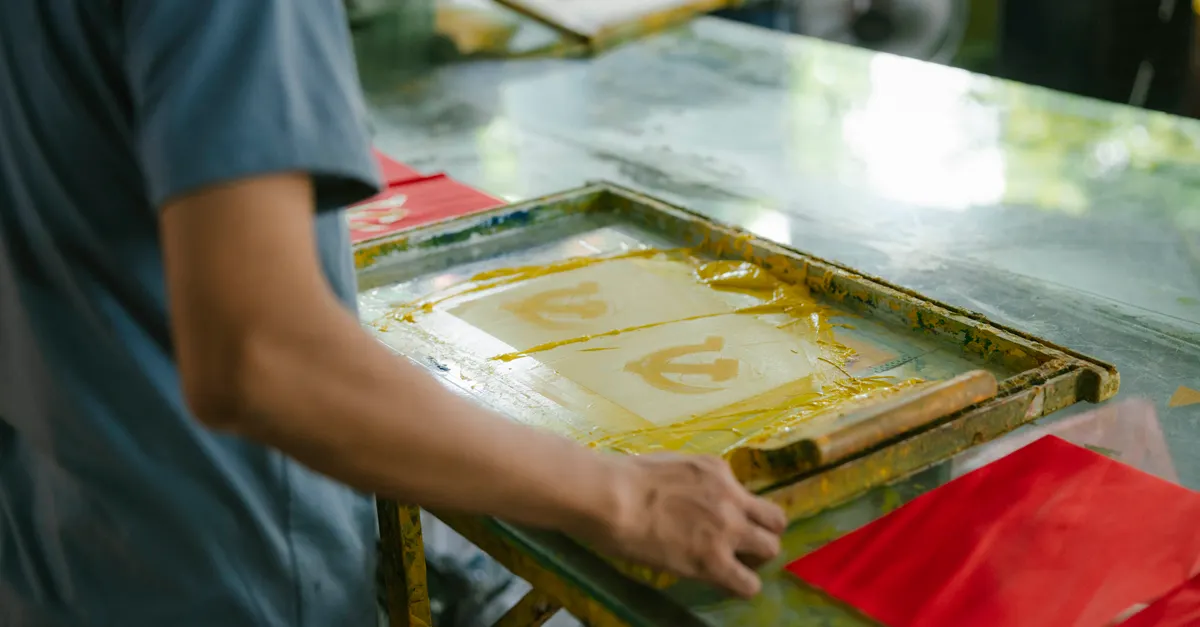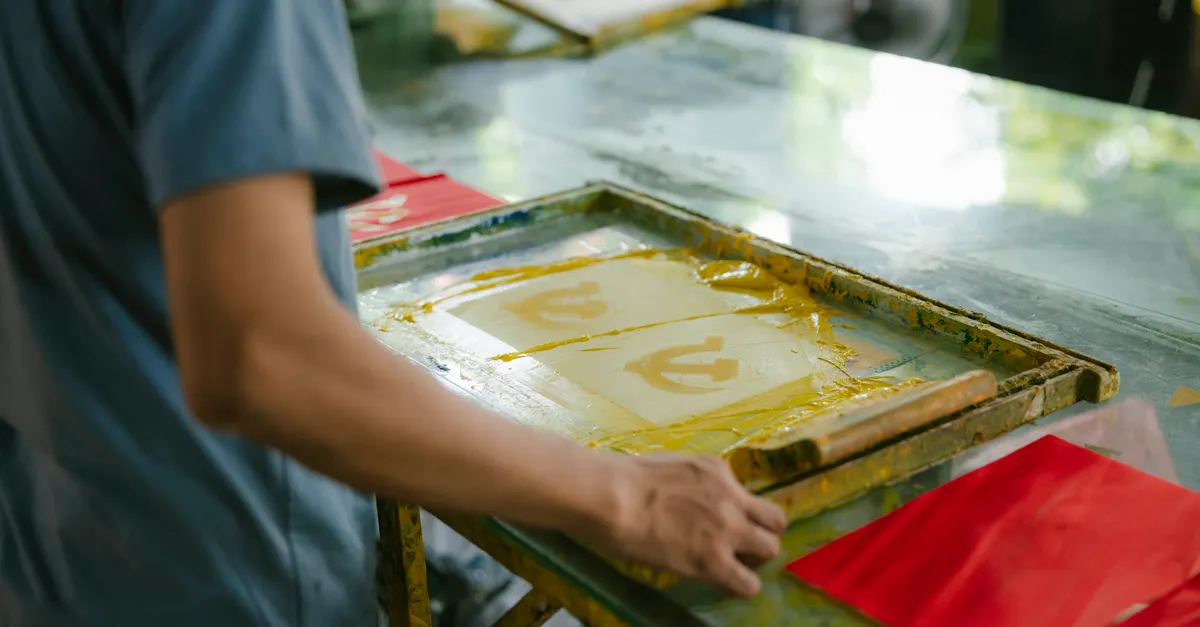
Screen printing on fabric offers creative possibilities for custom apparel, home décor, and textile art. The quality and longevity of your finished design depend heavily on the type of ink you use. With a wide range of screen printing inks for fabric available, understanding their properties and how they interact with different textiles is essential for achieving professional, durable results. This guide explores the main types of inks, factors to consider when choosing them, and safe, effective steps for preparing your prints for lasting wear.
Understanding Ink Types for Fabric Printing
When it comes to printing on textiles, not all inks are created equal. The two most commonly used screen printing inks for fabric are water-based and plastisol. Each has distinct characteristics that make them suitable for specific applications and fabric types.
Water-Based Inks
Water-based inks are popular for their soft feel and eco-friendly profile. These inks soak into the fibers of the fabric, resulting in a print that is breathable and flexible. They are especially well-suited for lighter fabrics, such as cotton and linen. Brands like Speedball offer water-based options that are known for their vibrant colors and wash-fast properties—when properly heat-set, these inks can withstand repeated laundering without significant fading.
One of the main advantages of water-based inks is their ease of cleanup and low odor. However, they may not be as opaque on dark fabrics and often require more passes or an underbase to achieve vivid results. For those interested in exploring advanced color work, a screen printing color mixing guide can help you achieve custom shades with water-based formulations.
Plastisol Inks
Plastisol inks are a staple in commercial textile printing due to their versatility and durability. Unlike water-based inks, plastisols sit on top of the fabric, creating a slightly raised, opaque print that works well on both light and dark materials. They do not air dry, which allows for longer working times and easier cleanup of screens before curing.
Many modern plastisol inks are formulated to be non-phthalate, addressing health and environmental concerns. Some, like those from Screen Print Direct, offer low-temperature curing options, which can be beneficial for heat-sensitive fabrics. Plastisol inks require careful heat-setting to fully cure and achieve their maximum wash resistance.
Key Considerations When Selecting Fabric Inks
Choosing the right ink for your project involves more than just picking a color. Several factors should guide your decision to ensure optimal results:
- Fabric Type: Natural fibers like cotton absorb water-based inks well, while synthetics may require plastisol or specialty inks for proper adhesion.
- Opacity Needs: For printing on dark fabrics, opt for inks labeled as “opaque” or consider using an underbase layer for water-based prints.
- Desired Finish: Water-based inks yield a soft, matte finish, while plastisol creates a more vibrant, slightly glossy print.
- Wash Durability: Both ink types can be durable if properly cured, but the curing process and ink formulation play a significant role in longevity.
- Environmental Concerns: Water-based inks are generally more eco-friendly, but always check for certifications like non-phthalate or low-VOC if this is a priority.
- Project Scale: For large runs or commercial jobs, plastisol’s longer open time and consistent results may be preferable. For small batches or DIY projects, water-based inks are often more accessible.
Matching the ink to your fabric and project requirements is crucial for achieving the look, feel, and durability you want. For more on pairing fabrics with printing methods, see the resource on How to Choose the Right Fabric for Digital Textile Printing.
Safe Steps for Heat-Setting and Curing
Properly curing your print is essential for ensuring that the design remains vibrant and wash-resistant. While the process varies by ink type, it always involves applying heat to bond the ink to the fabric. However, because heat-setting can pose risks such as burns or fabric damage, it is important to follow safe preliminary steps and seek professional guidance for advanced curing techniques.
Heat-Setting Water-Based Inks
Water-based inks, like those from Speedball, typically require heat-setting to become wash-fast. The most common method for home or small studio use is ironing:
- Allow the print to air dry completely.
- Place a piece of parchment paper or a thin cloth over the print to protect both the fabric and your iron.
- Set the iron to the appropriate temperature for your fabric (usually “cotton” for natural fibers).
- Press firmly for 2–3 minutes, moving the iron continuously to avoid scorching.
- Let the fabric cool before handling or washing.
Always check the ink manufacturer’s instructions for specific heat-setting times and temperatures, as these can vary. If you are working with large batches or require industrial durability, consult a professional or use a heat press for consistent results.
Curing Plastisol Inks
Plastisol inks require a higher temperature to cure—typically around 320°F (160°C). This process ensures the ink fuses to the fabric and achieves its maximum durability. Because of the high heat involved, it is strongly recommended to use professional equipment such as a conveyor dryer or heat press. Attempting to cure plastisol with a household iron or heat gun can result in incomplete curing, poor wash resistance, or even safety hazards.
For specialty plastisols, such as low-temperature curing inks, always follow the manufacturer’s guidelines. If you are new to plastisol or working outside a professional print shop, seek expert advice to avoid risks and ensure your prints last.
Where to Find Quality Inks for Fabric Printing
There are several reputable sources for purchasing screen printing inks for fabric. Art supply stores, specialty print shops, and online retailers all offer a range of options. When shopping, look for established brands such as Speedball, Ecotex, and RAPIDCURE, and pay attention to product descriptions for details on fabric compatibility, curing requirements, and safety certifications.
Online marketplaces often provide a wide selection, but be sure to read reviews and check for authenticity, especially when purchasing in bulk. For those seeking specialty inks—such as non-phthalate plastisols or eco-friendly water-based options—direct manufacturer websites or trusted distributors are often the best choice.
Frequently Asked Questions
What is the difference between water-based and plastisol inks for fabric?
Water-based inks penetrate the fabric and create a soft, breathable print, making them ideal for light-colored, natural fibers. Plastisol inks sit on top of the fabric, offering vibrant, opaque results and are suitable for both light and dark textiles. Each requires a different curing process to achieve durability.
How do I ensure my screen printed design is wash-resistant?
Proper heat-setting or curing is essential for wash resistance. For water-based inks, use an iron or heat press according to the manufacturer’s instructions. For plastisol inks, professional curing equipment is recommended to reach the necessary temperature for full ink fusion. Always allow the print to dry completely before applying heat.
Can I use the same ink for all types of fabric?
Not all inks are compatible with every fabric. Water-based inks work best on natural fibers like cotton, while plastisol is more versatile and can adhere to a wider range of textiles. For specialty fabrics or challenging surfaces, look for inks specifically formulated for those materials and always test on a sample first.
Conclusion
Choosing the right screen printing inks for fabric is a crucial step in achieving vibrant, durable, and professional-looking results. By understanding the properties of water-based and plastisol inks, considering your fabric and project needs, and following safe, effective heat-setting practices, you can create prints that stand the test of time. For advanced techniques or large-scale projects, always seek professional guidance to ensure both safety and quality. With the right preparation and knowledge, your fabric printing projects can reach their full creative potential.