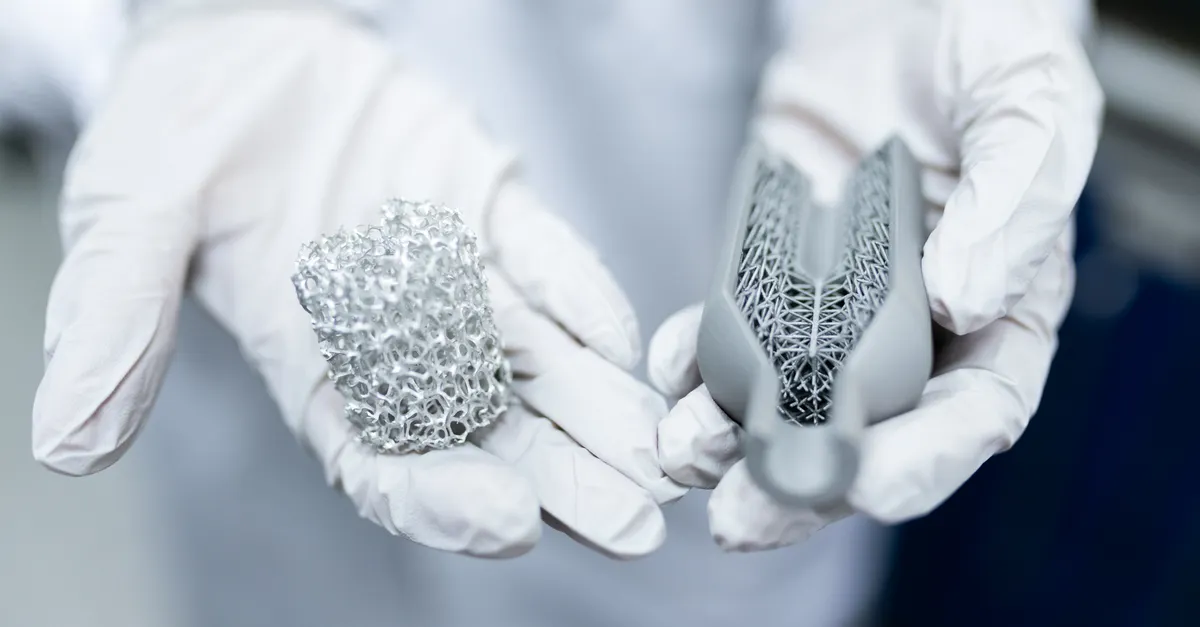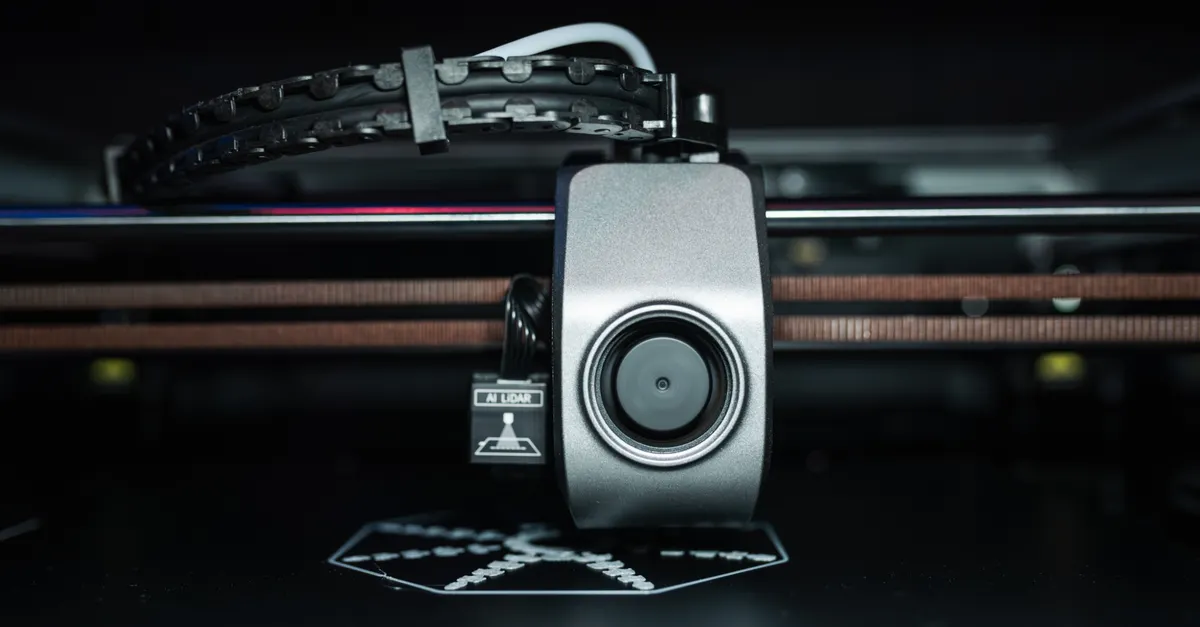
3D printing has become a transformative force in the automotive industry, enabling rapid prototyping, custom part production, and innovative design solutions. As automotive manufacturers and engineers increasingly turn to additive manufacturing, the choice of 3D printing materials for automotive parts is more critical than ever. The right material can mean the difference between a part that performs reliably under stress and one that fails prematurely. Understanding the properties, advantages, and appropriate applications of various materials is essential for anyone involved in automotive design or production.
Essential Properties of 3D Printing Materials in Automotive Applications
Selecting the right material for automotive use requires a careful evaluation of several key properties. Automotive parts are routinely exposed to demanding conditions, including high temperatures, mechanical stress, and constant wear. Therefore, the materials used must be able to withstand these challenges without compromising safety or performance.
- Heat Resistance and Thermal Stability: Many automotive components, especially those near the engine or exhaust, must tolerate significant heat. Materials lacking sufficient thermal stability may deform or degrade, leading to potential safety risks.
- Impact Resistance: Parts such as bumpers, brackets, and clips are subject to shocks and impacts. A material with high impact strength can absorb energy without cracking or breaking, which is vital for both safety and durability.
- Wear and Chemical Resistance: Exposure to oils, fuels, and road debris means materials must resist chemical attack and abrasion. This ensures longevity and reliable performance over time.
- Mechanical Strength: Load-bearing parts require materials that can handle stress without warping or failing, maintaining structural integrity even under heavy use.
When evaluating 3D printing materials for automotive parts, these properties should guide your selection process. Choosing a material that aligns with the intended function and environment of the part is crucial for safe and effective results.
Comparing ABS, Nylon, and PETG for Automotive Parts
Among the wide range of polymers available for additive manufacturing, ABS, nylon, and PETG are frequently chosen for automotive projects. Each offers a unique combination of properties, making them suitable for different applications within the industry.
ABS (Acrylonitrile Butadiene Styrene)
ABS is a popular choice for functional prototyping and end-use parts in automotive contexts. Its key advantages include:
- Thermal Stability: ABS can withstand moderate heat, making it suitable for interior and some under-the-hood components.
- Ductility: The material is flexible enough to absorb impacts, reducing the risk of cracking under stress.
- Machinability: ABS parts can be easily sanded, drilled, or painted, allowing for post-processing and customization.
However, ABS is sensitive to UV exposure and may degrade if used in exterior applications without proper protection. It also emits fumes during printing, so adequate ventilation is necessary.
Nylon (Polyamide)
Nylon stands out for its excellent balance of strength, flexibility, and chemical resistance. In automotive settings, it is often used for:
- High-Stress Components: Nylon’s toughness makes it ideal for gears, bushings, and clips that experience repeated motion or load.
- Wear Resistance: Its low friction coefficient helps reduce wear, extending the lifespan of moving parts.
- Moisture Sensitivity: While nylon is strong, it can absorb moisture from the air, which may affect dimensional stability. Proper storage and drying are important.
Nylon is also compatible with composite additives, such as carbon fiber, which can further enhance its mechanical properties for specialized automotive uses.
PETG (Polyethylene Terephthalate Glycol)
PETG offers a middle ground between ABS and nylon, combining ease of printing with good mechanical performance. Its notable features include:
- Impact Resistance: PETG is less brittle than some alternatives, making it suitable for parts that may be dropped or struck.
- Chemical Resistance: The material holds up well against automotive fluids, making it a good choice for reservoirs, covers, and housings.
- Transparency: PETG can be printed in clear form, which is useful for light covers or inspection windows.
While PETG is easier to print than ABS or nylon, it may not match their heat resistance, so it is best reserved for non-critical or interior parts.
For a broader overview of how these and other materials compare, you might find the materials comparison chart helpful when considering options beyond ABS, nylon, and PETG.
Automotive Industry Applications for 3D Printed Materials
The use of additive manufacturing in the automotive sector extends far beyond prototyping. Today, 3D printing is leveraged for a variety of applications, each benefiting from the unique strengths of polymer materials.
- Rapid Prototyping: Engineers can quickly iterate designs, test fit and function, and make adjustments before committing to expensive tooling.
- Custom and Low-Volume Parts: 3D printing enables the production of custom brackets, mounts, and interior features without the need for mass production.
- Functional Testing: Materials like ABS allow for the creation of prototypes that can be tested under real-world stresses, ensuring reliability before full-scale manufacturing.
- Replacement Parts: Older or rare vehicles can benefit from on-demand printing of discontinued components, reducing lead times and inventory costs.
Adopting 3D printing in automotive manufacturing has led to significant reductions in development costs—by as much as 58% in some cases—and has accelerated product development timelines by up to tenfold. This rapid turnaround provides a competitive edge, especially for OEMs seeking to innovate quickly and efficiently.
Safety and Regulatory Considerations in Automotive 3D Printing
While the advantages of 3D printing are clear, safety and compliance remain top priorities in automotive applications. Parts used in vehicles must meet stringent standards for mechanical performance, heat resistance, and durability. Regulatory requirements may vary depending on the part’s function and location within the vehicle.
- Material Certification: Some automotive components require materials that are certified for specific mechanical or thermal properties. Always verify that the chosen polymer meets relevant industry standards.
- Testing and Validation: Before deploying a 3D printed part in a vehicle, it should undergo thorough testing to ensure it performs as intended under expected conditions.
- Professional Consultation: For critical or load-bearing parts, consulting with materials engineers or automotive specialists is essential. They can help assess risks and ensure compliance with safety regulations.
- Legal Restrictions: Some jurisdictions may have regulations governing the use of non-OEM or aftermarket parts, especially for safety-critical systems. Always check local laws before installing 3D printed components.
Prioritizing safety and regulatory compliance is not just a best practice—it is a necessity for protecting both vehicle occupants and other road users.
Conclusion
Choosing the right 3D printing materials for automotive parts is a complex but crucial process. ABS, nylon, and PETG each offer distinct advantages, from thermal stability and impact resistance to chemical durability and ease of printing. By understanding the specific requirements of each application—whether it’s prototyping, functional testing, or end-use production—engineers and manufacturers can make informed decisions that enhance performance, safety, and cost-effectiveness. As 3D printing continues to evolve, staying informed about material properties and regulatory standards will ensure the continued success and safety of automotive innovations.
Frequently Asked Questions
What is the most durable 3D printing material for automotive parts?
Nylon, especially when reinforced with carbon fiber, is often considered one of the most durable materials for automotive applications due to its high strength, impact resistance, and wear properties. However, the best choice depends on the specific requirements of the part and its intended use.
Are 3D printed automotive parts safe to use in vehicles?
3D printed parts can be safe for automotive use if the correct material is chosen and the part is thoroughly tested and validated. For critical components, it is essential to consult with professionals and ensure compliance with industry standards and regulations.
Can I use PETG for engine bay components?
While PETG offers good chemical resistance and impact strength, its heat resistance is generally lower than that of ABS or nylon. For engine bay parts exposed to high temperatures, materials with higher thermal stability are recommended.