Screen printing has become a popular choice for those looking to add a personal touch to their living spaces. With its ability to create bold patterns, intricate designs, and custom motifs, this technique offers endless possibilities for transforming everyday items into unique pieces of art. Whether you’re interested in updating cushions, curtains, or wall hangings, exploring screen printing techniques for home decor can open up a world of creative opportunities, even for beginners.
Understanding the Basics of Screen Printing
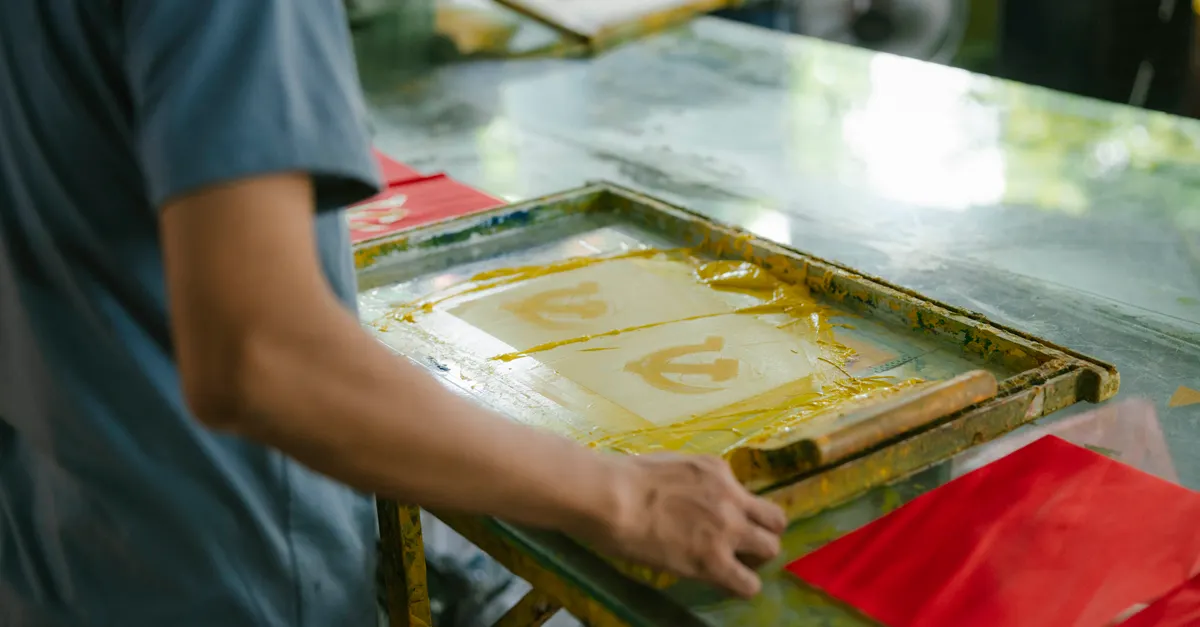
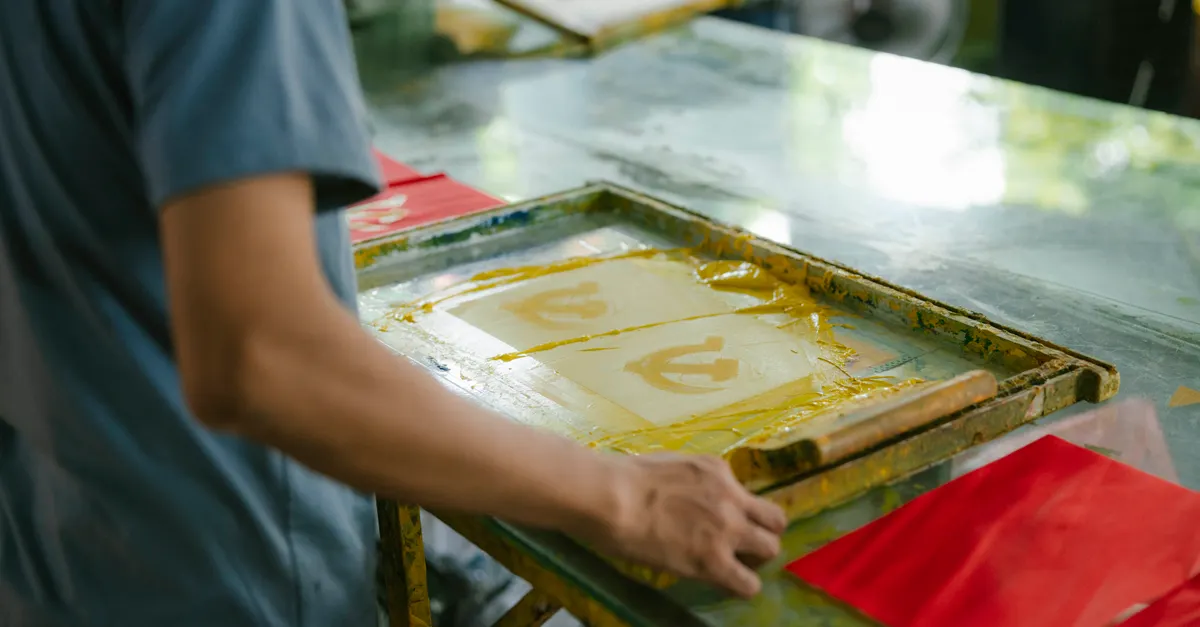
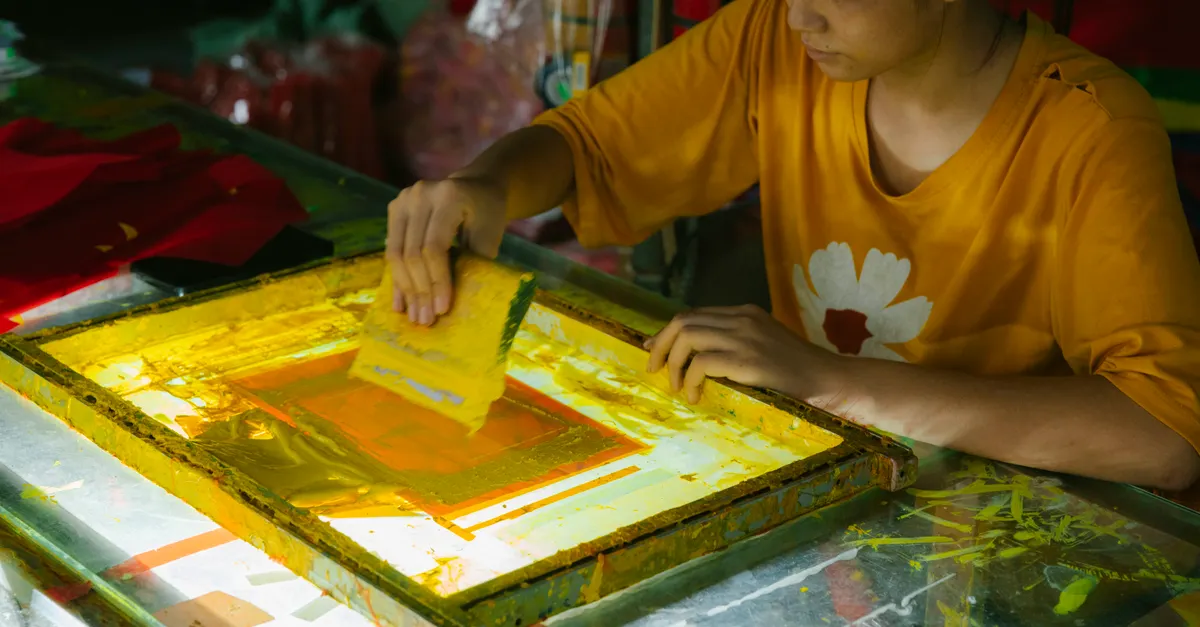
At its core, screen printing is a method of transferring ink onto a surface using a mesh screen, a stencil, and a squeegee. The process is straightforward but highly versatile, making it suitable for a wide range of home decor projects. Here’s a look at the fundamental steps and materials involved:
- Stencil Creation: The design is first created on a stencil, which blocks out areas where ink should not pass through.
- Preparing the Screen: A mesh screen is tightly stretched over a frame. The stencil is then applied to the screen.
- Applying Ink: Ink is placed on the screen and spread across the stencil using a squeegee. The ink passes through the open areas of the mesh, transferring the design onto the chosen surface.
- Curing: Once printed, the item is left to dry or is heat-set to ensure the design is permanent.
Essential materials for home screen printing include:
- Mesh screen and frame
- Squeegee
- Stencil material (paper, vinyl, or photo emulsion)
- Screen printing inks or pigments
- Protective gloves and apron
- Surface to print on (fabric, paper, wood, etc.)
For those new to the craft, starting with basic tools and a single-color design can help build confidence before moving on to more complex projects.
Creative Screen Printing Techniques for Home Decor
One of the most appealing aspects of screen printing techniques for home decor is the freedom to experiment with different materials and effects. This dynamic form of printmaking allows for personal expression, making it ideal for those who want their living spaces to reflect their individual style.
Printing on Fabric
Textiles are among the most common surfaces for home decor screen printing. You can create custom pillow covers, table runners, or even fabric wall art. For best results, use inks designed for textiles, such as water-based or plastisol inks, which offer durability and vibrant color. Experimenting with layering colors, using metallic inks, or incorporating gradients can add depth and interest to your designs.
Printing on Paper and Cardstock
Screen printing isn’t limited to fabric. Paper and cardstock open up possibilities for custom prints, posters, and decorative cards. Using high-quality paper and adjusting the ink consistency ensures crisp, clean prints. This technique is perfect for creating matching sets of wall art or personalized stationery to complement your home’s aesthetic.
Working with Wood and Other Surfaces
For a rustic or modern touch, try screen printing on wood panels, trays, or boxes. Preparing the surface by sanding and priming helps the ink adhere better. You can also experiment with glass, ceramics, or even metal, though these surfaces may require specialized inks and additional preparation.
Innovative Effects and Advanced Techniques
- Multi-Layer Printing: Create complex designs by printing multiple layers with different colors or patterns, allowing each layer to dry before adding the next.
- Textured Prints: Incorporate additives into your ink or use textured surfaces to achieve raised or tactile effects.
- Resist Techniques: Use materials like wax or tape to block out areas of the design, creating unique negative space effects.
- Repeat Patterns: Screen printing excels at producing repeat patterns, making it ideal for creating custom fabric for upholstery, curtains, or bedding.
Because screen printing is so versatile, it’s also possible to combine it with other techniques, such as hand-painting or embroidery, to create truly one-of-a-kind decor items.
Step-by-Step Guide: Starting Your First Home Decor Project
If you’re new to screen printing, starting with a simple project can help you get comfortable with the process. Here’s a practical guide to creating your first custom-printed cushion cover:
- Choose Your Design: Start with a simple motif or geometric pattern. Print or draw your design on stencil material.
- Prepare the Stencil: Cut out your design using a craft knife or scissors. If using photo emulsion, follow the manufacturer’s instructions to expose your design onto the screen.
- Set Up Your Workspace: Lay out your materials on a flat, protected surface. Secure the fabric (e.g., a plain cushion cover) to prevent shifting.
- Position the Screen: Place the mesh screen over the area you want to print. Tape the edges to keep it steady.
- Apply the Ink: Pour a line of ink at the top of the screen. Use the squeegee to pull the ink evenly across the stencil, applying firm, even pressure.
- Lift the Screen: Carefully lift the screen to reveal your printed design. If you want to add more colors or layers, allow the first layer to dry before repeating the process.
- Cure the Print: Let the ink dry completely. For fabric, heat-set the design using an iron (place a cloth between the iron and the print) or follow the ink manufacturer’s instructions.
- Finishing Touches: Once dry and set, your custom cushion cover is ready to use or gift.
With practice, you can expand to larger projects, such as curtains, tablecloths, or wall hangings. Don’t be afraid to experiment with color mixing, layering, and different surfaces to discover what works best for your style. For more advanced tips on mixing colors, you might find this screen printing color mixing guide helpful as you develop your skills.
Comparing Screen Printing to Other Home Decor Printing Methods
While there are several ways to personalize home decor, screen printing stands out for its bold results and adaptability. Compared to digital printing, screen printing offers a tactile, handcrafted feel and allows for thicker ink application, resulting in vibrant, long-lasting designs. It’s also cost-effective for producing multiple copies of the same design, making it ideal for repeat patterns or matching sets.
Other methods, such as block printing or stenciling, can be easier for absolute beginners but may not achieve the same level of detail or consistency as screen printing. For those interested in exploring digital methods, comparing Digital Textile Printing for Home Decor vs. Fashion: Guide can provide additional insight into the strengths and limitations of each technique.
Safety and Best Practices for Home Screen Printing
Although screen printing is generally safe, it’s important to follow a few best practices, especially when working at home:
- Work in a well-ventilated area, especially when using inks or cleaning chemicals.
- Wear gloves and an apron to protect your skin and clothing.
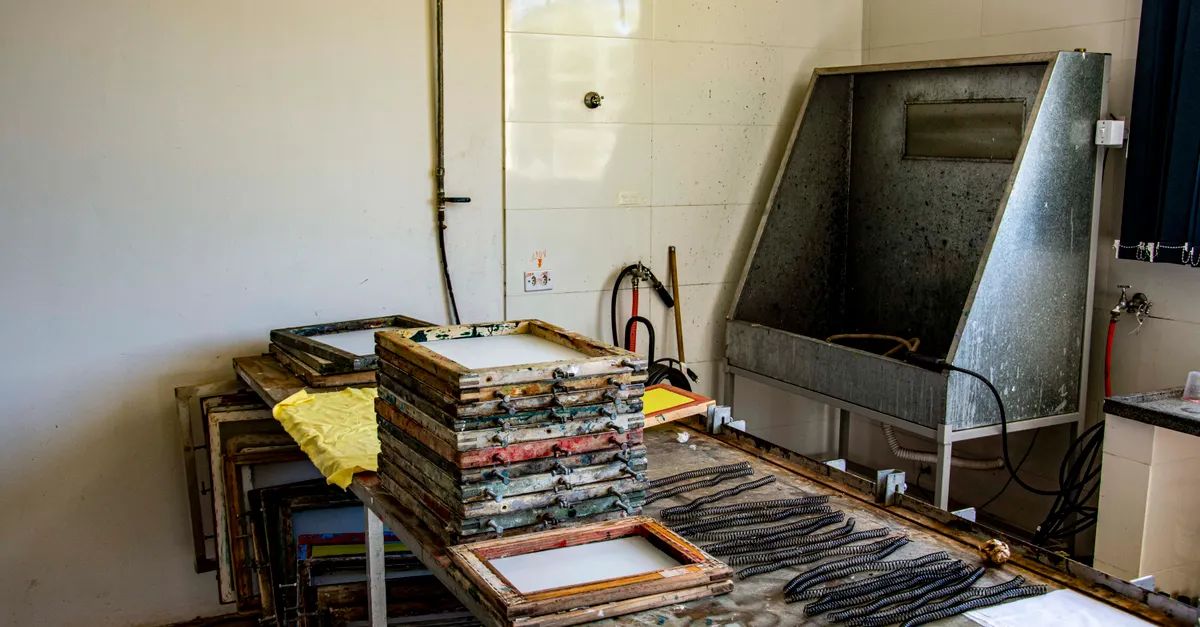
- Clean screens and tools promptly to prevent ink from drying and clogging the mesh.
- Store inks and chemicals out of reach of children and pets.
By following these guidelines, you can enjoy the creative process while keeping your workspace safe and organized.
Conclusion: Unlocking Creativity in Home Decor
Exploring screen printing techniques for home decor empowers you to transform everyday items into personalized works of art. From bold fabric prints to custom wall art, the possibilities are limited only by your imagination. As you gain experience, try combining different techniques, experimenting with color, and drawing inspiration from your surroundings. The satisfaction of seeing your own designs come to life in your home is well worth the effort, and each project will help you refine your skills and discover new creative directions.
Frequently Asked Questions
What surfaces can I use for screen printing in home decor?
Screen printing works well on a variety of surfaces, including fabric, paper, wood, and even some ceramics or glass. The key is to choose the right ink for the material and properly prepare the surface to ensure the design adheres and lasts.
Do I need special equipment to start screen printing at home?
While professional setups can be complex, beginners can start with a basic kit that includes a mesh screen, squeegee, stencil material, and suitable inks. Many craft stores offer starter kits designed for home use, making it easy to try out the technique without a large investment.
How do I care for screen-printed home decor items?
For fabric items, allow the ink to cure fully before washing. Use gentle cycles and mild detergents to prolong the life of your prints. For other surfaces, avoid harsh cleaners and handle with care to maintain the integrity of the design.