Businesses today face the challenge of standing out in a crowded marketplace, and the way a brand is presented visually can make a significant difference. Sublimation printing for business branding has emerged as a powerful solution, offering vibrant, durable, and versatile results that help companies leave a lasting impression. This guide explores how this printing technique works, its unique benefits, innovative uses, and how it compares to other popular methods, helping you make informed decisions for your branding strategy.

How the Sublimation Printing Process Works
At its core, sublimation printing is a scientific process that uses heat to transfer dye onto materials such as polyester fabrics, ceramics, and specially coated surfaces. Unlike traditional printing methods, which often lay ink on top of a substrate, sublimation transforms solid dye directly into a gas without passing through a liquid phase. This gas then penetrates the fibers or coating of the material, resulting in images that are both vivid and exceptionally durable.
The process begins with a digital design printed onto transfer paper using specialized sublimation inks. The printed paper is then placed onto the target item, and both are subjected to high heat and pressure using a heat press. The heat causes the dye to sublimate, bonding it permanently with the material. This method ensures that the printed image becomes part of the substrate itself, rather than sitting on the surface. The result is a smooth, long-lasting finish that resists fading, cracking, or peeling, even after repeated washing or exposure to the elements.
For those interested in a more detailed breakdown of each step, you can explore the sublimation printing process for additional insights.
Key Benefits for Business Branding
There are several reasons why companies are increasingly turning to sublimation printing for business branding:
- Vibrant, Full-Color Designs: Sublimation allows for high-resolution, photo-quality images with a wide color gamut, making logos and graphics pop on branded merchandise.
- Exceptional Durability: Because the dye becomes part of the material, prints are resistant to fading, scratching, and washing. This is especially valuable for items like uniforms, promotional apparel, and drinkware that see frequent use.
- Seamless, Soft Finish: The process produces prints that do not add texture or weight, maintaining the original feel of the fabric or item.
- Versatility: Sublimation works on a variety of products, from t-shirts and mugs to banners and phone cases, allowing businesses to create cohesive, branded collections.
- Eco-Friendly and Efficient: Digital dye sublimation produces minimal waste compared to screen printing, and there are no harsh chemicals involved.
These advantages make sublimation an ideal choice for businesses seeking to create high-quality, long-lasting branded items that reflect their identity and values.
Innovative Ways to Use Sublimation Printing in Marketing
The flexibility of sublimation opens up creative possibilities for marketing and promotional efforts. Here are some innovative applications that go beyond standard apparel:
- Custom Event Merchandise: Create unique giveaways or limited-edition items for trade shows, conferences, or product launches. Sublimated lanyards, tote bags, and water bottles can reinforce your brand at every touchpoint.
- Personalized Employee Gear: Outfit your team with branded uniforms, hats, or jackets that not only look professional but also withstand daily wear and laundering.
- Branded Office Decor: Use sublimation to produce custom mouse pads, wall art, or desk accessories that bring your brand’s colors and logo into the workplace environment.
- Mobile Billboards: Vehicle wraps and banners made with sublimation printing turn company vehicles into eye-catching advertisements on the move.
- Unique Client Gifts: Offer personalized mugs, phone cases, or tech accessories as memorable gifts that keep your brand top-of-mind.
The ability to produce small or large runs with consistent quality makes sublimation especially attractive for businesses looking to experiment with new branded products or seasonal campaigns.
Materials Best Suited for Sublimation Printing
While sublimation offers many advantages, it is important to understand which materials are compatible. The process works best with:
- Polyester Fabrics: Apparel, banners, and soft signage made from polyester or polyester blends yield the most vibrant and durable results.
- Polymer-Coated Hard Goods: Items like mugs, plates, and phone cases must have a special polymer coating to accept the sublimation dyes.
- Specialty Sublimation Blanks: These are products specifically manufactured for sublimation, ensuring optimal image transfer and longevity.
Natural fibers such as cotton are not suitable for sublimation, as the dye cannot bond with them. For those looking to create designs for this process, understanding the right materials is crucial for achieving the best results.
Comparing Sublimation Printing with Heat Transfer and Screen Printing
When choosing a printing method for business branding, it’s helpful to compare sublimation with other common techniques like heat transfer and screen printing. Each has its own strengths and limitations:
| Method | Best For | Durability | Color Range | Feel/Finish | Material Compatibility |
|---|---|---|---|---|---|
| Sublimation | Polyester apparel, coated hard goods | Excellent (resists fading, cracking) | Unlimited, full color | Soft, seamless | Polyester, polymer-coated items |
| Heat Transfer | Short runs, cotton or blends | Good, but may crack/peel | Good, but limited by transfer paper | Can be heavy or textured | Wide range, including cotton |
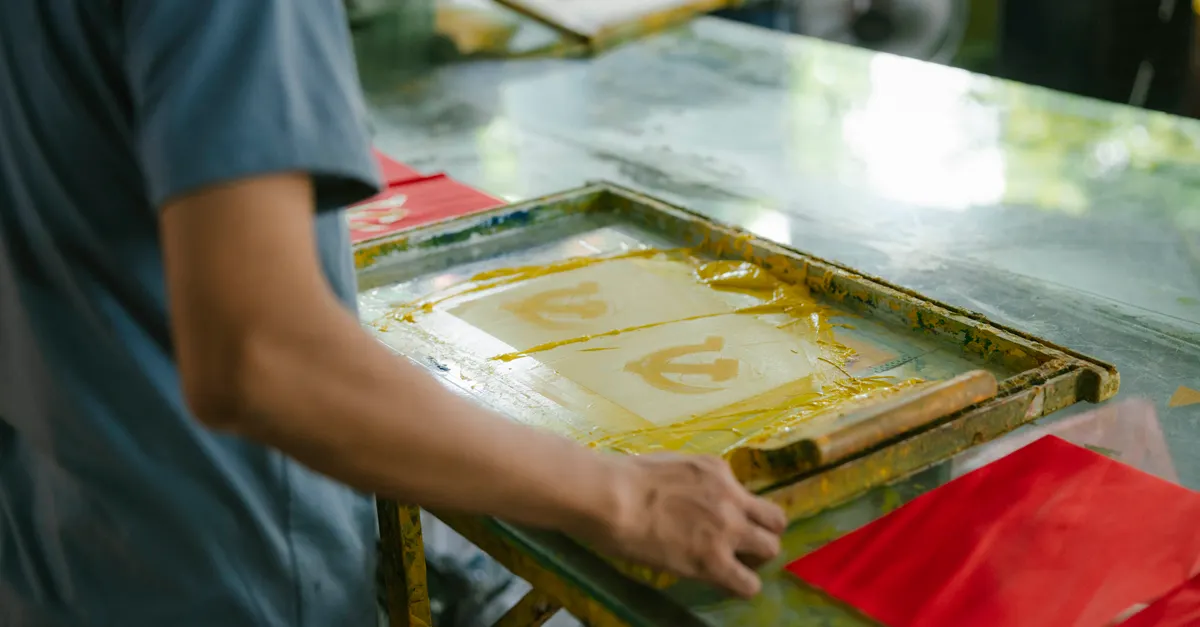
| Screen Printing | Large runs, simple designs | Very good, especially on cotton | Limited by number of screens | Thicker, may feel raised | Most fabrics, especially cotton |
Sublimation printing stands out for its ability to produce detailed, vibrant images with a soft finish, but is limited to polyester and specially coated items. Heat transfer and screen printing offer more flexibility with materials but may not achieve the same level of durability or color vibrancy, especially for complex, multi-color designs.
Limitations and Considerations
Despite its many strengths, sublimation printing does have some limitations to consider:
- Material Restrictions: Only works on polyester or polymer-coated substrates, which may limit product choices.
- Upfront Equipment Costs: Specialized printers, inks, and heat presses are required, which can be a barrier for small businesses starting out.
- Color Accuracy: While the process produces vibrant colors, achieving exact color matches can require careful management of color profiles and calibration.
- Not Ideal for Dark Fabrics: Sublimation works best on white or light-colored materials, as the dye is translucent and does not print white.
Understanding these factors will help businesses make the most of sublimation’s advantages while planning for any necessary workarounds or alternative methods.
Conclusion: Making the Most of Sublimation for Brand Visibility
Sublimation printing offers a compelling combination of durability, color vibrancy, and versatility that can elevate any business’s branding efforts. By understanding the process, selecting the right materials, and exploring innovative applications, companies can create memorable branded products that stand out in any setting. When compared with other printing techniques, sublimation’s unique benefits make it a smart choice for many branding needs—especially where longevity and visual impact are priorities.
As technology and materials continue to evolve, the possibilities for creative, effective branding with sublimation will only expand. Businesses looking to make a lasting impression should consider how this advanced printing method can support their marketing and promotional goals.
Frequently Asked Questions
What types of products are best suited for sublimation printing?
Sublimation works best on polyester fabrics and polymer-coated hard goods such as mugs, plates, and phone cases. These materials allow the dye to bond effectively, resulting in vibrant, durable prints.
How does sublimation printing compare to screen printing for business branding?
While both methods are popular, sublimation offers superior color vibrancy and a soft, seamless finish, but is limited to polyester and coated items. Screen printing is more versatile with materials, especially cotton, but may not achieve the same level of detail or durability for complex, full-color designs.
Are there any design limitations with sublimation printing?
Sublimation excels at producing detailed, full-color images, but works best on light-colored backgrounds since the dye is translucent. It cannot print white, and color accuracy may require careful management of digital files and color profiles.