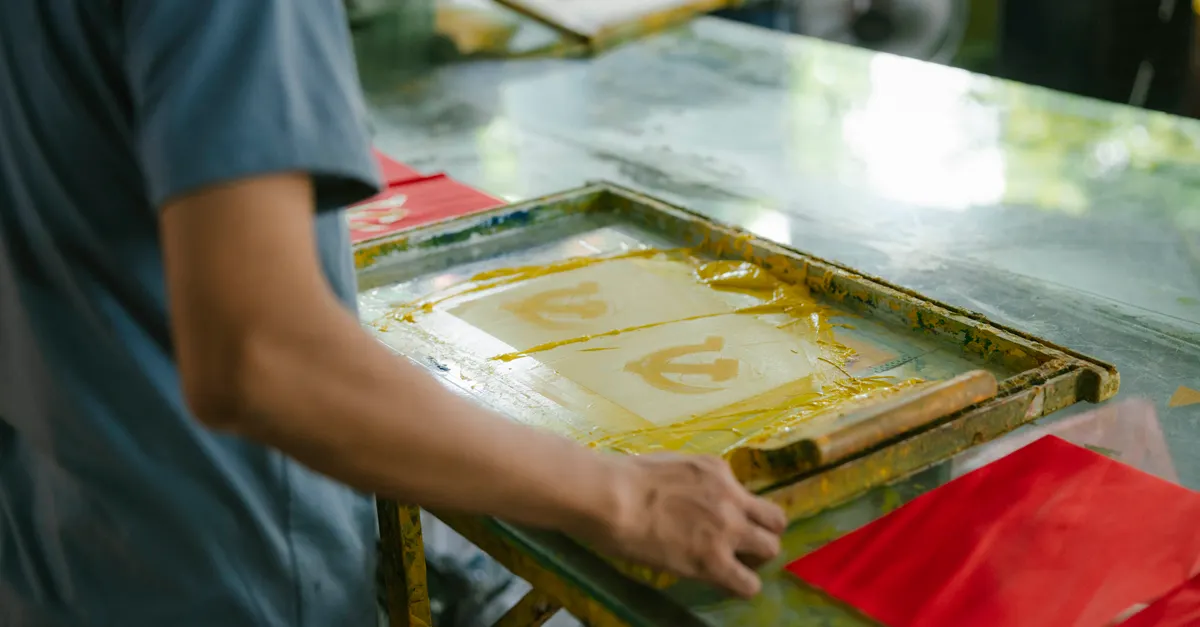
Adopting green printing practices is an effective way for individuals and organizations to reduce their environmental footprint. As the demand for printed materials remains steady in many industries, making conscious choices about how and what we print can have a significant impact. From selecting sustainable materials to leveraging new technologies, there are practical steps everyone can take to make printing more eco-friendly and responsible.

Understanding Sustainable Printing Methods
At its core, sustainable printing refers to a set of strategies and choices that minimize the negative environmental effects of producing printed materials. This approach considers the entire lifecycle of a print job—from the sourcing of raw materials to the disposal or recycling of finished products. The goal is to reduce waste, conserve resources, and lower emissions associated with traditional printing processes.
Why is this important? The printing industry has historically relied on resource-intensive processes, including the use of virgin paper, petroleum-based inks, and energy-consuming equipment. By making more sustainable choices, businesses and individuals can help conserve forests, reduce landfill waste, and limit the release of harmful chemicals into the environment.
Eco-Friendly Inks and Papers
One of the most impactful ways to support green printing practices is by choosing environmentally responsible inks and papers. Traditional inks often contain volatile organic compounds (VOCs) and heavy metals, which can be harmful to both the environment and human health. In contrast, eco-friendly ink options—such as soy-based or vegetable-based inks—are made from renewable resources and contain fewer toxic substances.
Major manufacturers have also introduced toner cartridges made from recycled materials. For example, some companies offer recycling programs that allow users to return empty cartridges, which are then processed and reused in new products. This closed-loop system reduces the demand for virgin plastic and keeps waste out of landfills.
When it comes to paper, opting for recycled paper or paper certified by organizations like the Forest Stewardship Council (FSC) or the Sustainable Forestry Initiative (SFI) ensures that the raw materials are sourced responsibly. These certifications indicate that the paper comes from forests managed with environmental and social considerations in mind. Using recycled content paper further reduces the need for new pulp and helps conserve natural resources.
- Soy and vegetable-based inks: Lower VOC emissions and made from renewable sources.
- Recycled and FSC/SFI-certified paper: Supports responsible forestry and reduces waste.
- Recyclable cartridges: Encourages a circular economy within the printing industry.
Technological Advancements in Sustainable Printing
While material choices are crucial, technological innovation is playing an increasingly important role in making printing more sustainable. Modern printers and software solutions offer a range of features designed to reduce waste and energy consumption.
For example, many printers now include duplex (double-sided) printing as a default option. This simple change can cut paper usage in half, significantly reducing the environmental impact of large print runs. Additionally, using draft mode for internal documents can save ink and toner, further minimizing resource consumption.
Print management software is another valuable tool. These systems allow organizations to monitor and control printing activity, set quotas, and encourage responsible behavior among users. By analyzing usage patterns, businesses can identify areas for improvement and implement policies that discourage unnecessary printing.
Some advanced printers are equipped with energy-saving features, such as automatic sleep modes and efficient warm-up cycles. These technologies help lower electricity consumption without sacrificing productivity. Furthermore, digital workflows—such as electronic document sharing and cloud-based collaboration—can reduce the need for physical printing altogether.
- Double-sided printing: Cuts paper use and waste.
- Draft mode: Conserves ink and toner for non-final documents.
- Print management software: Tracks usage and enforces sustainable policies.
- Energy-efficient devices: Reduce power consumption during operation and standby.
- Digital alternatives: Limit the need for physical prints through electronic sharing.
For artists and creative professionals, adopting sustainable printing solutions for artists can further enhance eco-friendly outcomes by combining material choices with technology-driven efficiencies.
Working with Responsible Printing Partners
Choosing the right printing partner is essential for anyone committed to sustainability. A sustainable printing partner will not only offer eco-friendly materials but also demonstrate a commitment to responsible business practices throughout their operations.
When evaluating potential partners, look for certifications such as FSC or SFI, which indicate adherence to rigorous environmental standards. These certifications cover everything from responsible forest management to ethical labor practices. Additionally, ask about the partner’s recycling programs, energy usage, and waste management policies.
Some printing companies invest in renewable energy, use water-based inks, or implement closed-loop recycling systems for paper and cartridges. By collaborating with such partners, businesses can ensure that their printed materials align with their broader sustainability goals.
- FSC and SFI certifications: Proof of responsible sourcing and environmental stewardship.
- Recycling initiatives: Reduce landfill waste and promote resource recovery.
- Transparent reporting: Partners should be willing to share information about their sustainability efforts.
Advantages for Businesses Embracing Green Printing
Implementing green printing practices offers a range of benefits for businesses beyond environmental impact. Cost savings are a significant advantage, as reducing paper and ink usage directly lowers operational expenses. Energy-efficient equipment and digital workflows can also contribute to lower utility bills.
From a branding perspective, demonstrating a commitment to sustainability can enhance a company’s reputation among customers, partners, and employees. Many consumers and clients actively seek out businesses that prioritize environmental responsibility, making sustainable printing a valuable differentiator in competitive markets.
Moreover, adopting eco-friendly practices can help organizations comply with regulations and meet the expectations of stakeholders who value corporate social responsibility. By taking proactive steps, businesses position themselves as leaders in sustainability and innovation.
- Reduced costs: Less waste means lower spending on materials and energy.
- Enhanced brand image: Sustainability initiatives resonate with eco-conscious audiences.
- Regulatory compliance: Staying ahead of environmental regulations reduces risk.
- Employee engagement: Green initiatives can boost morale and attract talent.

Conclusion: Steps Toward More Sustainable Printing
Transitioning to more sustainable printing is both achievable and impactful. Start by evaluating your current printing habits and identifying areas for improvement, such as switching to recycled paper, using eco-friendly inks, and enabling double-sided printing. Leverage technology to monitor usage and reduce unnecessary prints, and consider digital alternatives whenever possible.
Partnering with responsible print providers and seeking out certified materials further strengthens your commitment to sustainability. Whether you are an individual, a small business, or a large organization, every step toward greener printing contributes to a healthier planet and a more responsible future.
Frequently Asked Questions
What are the most effective ways to reduce waste in printing?
Some of the most effective strategies include using double-sided printing, selecting recycled or certified paper, opting for draft mode when possible, and implementing print management software to monitor and control usage. Choosing eco-friendly inks and recycling cartridges also play a significant role in minimizing waste.
How do eco-friendly inks differ from traditional inks?
Eco-friendly inks, such as soy-based or vegetable-based options, are made from renewable resources and contain fewer harmful chemicals compared to traditional petroleum-based inks. They produce lower VOC emissions and are often easier to remove during recycling processes, making them a better choice for the environment.
How can technology help make printing more sustainable?
Technology supports sustainability by enabling features like duplex printing, energy-saving modes, and print management systems. These advancements help reduce resource consumption, minimize waste, and encourage responsible printing behaviors. Digital workflows and electronic document sharing can further decrease the need for physical prints.