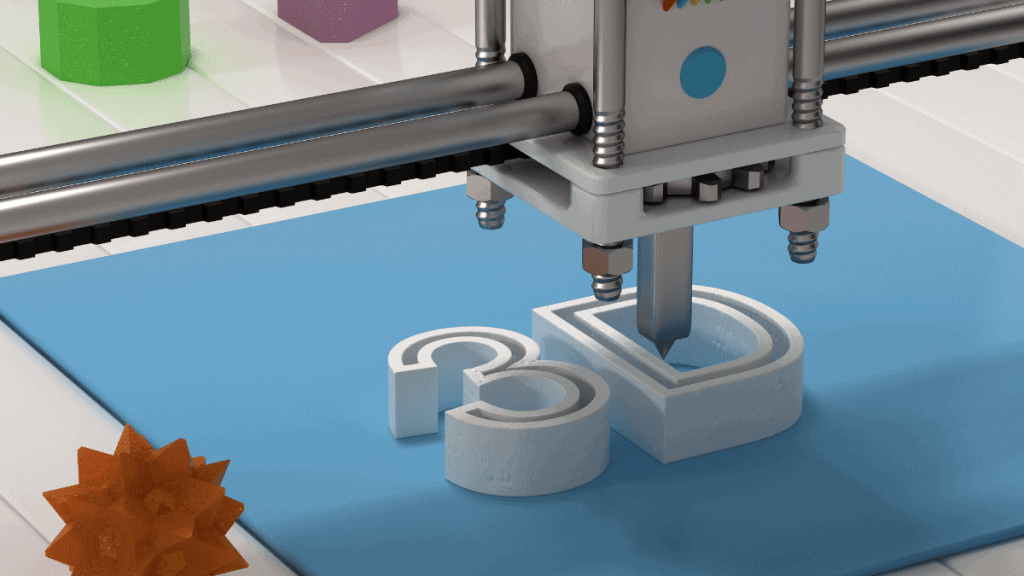
The manufacturing landscape is evolving rapidly, driven by the convergence of automation, the Internet of Things (IoT), and advanced production technologies. Among these, smart factory 3D printing stands out as a transformative force, enabling factories to achieve unprecedented levels of efficiency, flexibility, and connectivity. By merging additive manufacturing with digital integration, businesses can streamline workflows, reduce waste, and respond swiftly to changing market demands.
This article explores how automated 3D printing, when combined with IoT, is reshaping modern production environments. We’ll examine the core technologies, practical benefits, and real-world applications, as well as key considerations for organizations looking to adopt these innovations. For those interested in related advancements in textile and garment production, you may also find insights in our guide on what is soft hand feel in garment printing.
The Role of Automation in Modern Additive Manufacturing
Automation is at the heart of today’s advanced manufacturing facilities. In the context of smart factory 3D printing, automation refers to the use of robotics, software, and interconnected systems to manage and optimize the entire production process. This includes everything from material handling and printer operation to post-processing and quality control.
- Automated print scheduling: Software platforms can queue and manage multiple print jobs across a fleet of machines, maximizing uptime and throughput.
- Robotic material handling: Robots and conveyors transport raw materials and finished parts, reducing manual labor and minimizing errors.
- Integrated quality assurance: Sensors and cameras monitor prints in real time, detecting defects and ensuring consistent results.
By automating repetitive and time-consuming tasks, manufacturers can focus on innovation and problem-solving, while also reducing operational costs.
IoT Connectivity: Linking Devices and Data for Smarter Production
The Internet of Things (IoT) is a key enabler of connected 3D printing environments. IoT involves embedding sensors and communication modules into machines and devices, allowing them to collect, share, and analyze data in real time. In a smart factory, this means every 3D printer, robotic arm, and conveyor belt can be monitored and controlled remotely.
Benefits of IoT integration include:
- Predictive maintenance: Sensors track machine health, alerting operators to potential issues before they cause downtime.
- Remote monitoring and control: Managers can oversee production from anywhere, adjusting parameters or rerouting jobs as needed.
- Data-driven optimization: Analytics platforms process streams of data to identify bottlenecks, improve efficiency, and reduce waste.
For a deeper understanding of how additive manufacturing works, the Department of Energy’s guide on how 3D printers work provides a comprehensive overview.

Key Advantages of Automated 3D Printing in Industry
Integrating automation and IoT with additive manufacturing delivers several significant benefits for industrial operations:
- Increased productivity: Automated workflows and real-time monitoring minimize downtime and maximize machine utilization.
- Enhanced flexibility: Factories can quickly switch between product designs or materials, supporting mass customization and rapid prototyping.
- Reduced labor costs: Automation reduces the need for manual intervention, allowing staff to focus on higher-value tasks.
- Improved quality control: Continuous data collection and analysis help maintain consistent output and catch defects early.
- Lower environmental impact: Additive manufacturing produces less waste than traditional methods, and smart systems optimize resource usage.
These advantages make automated 3D printing an attractive option for industries ranging from aerospace and automotive to healthcare and consumer goods.
Real-World Applications of Connected 3D Printing
The practical uses of digitally integrated additive manufacturing are expanding rapidly. Some notable examples include:
- On-demand spare parts: Factories can produce replacement components as needed, reducing inventory and lead times.
- Tooling and fixtures: Custom jigs and fixtures can be designed and printed in-house, speeding up assembly and maintenance.
- Personalized products: Consumer goods manufacturers can offer tailored items, from footwear to eyewear, using flexible 3D printing lines.
- Medical devices: Hospitals and clinics use connected printers to create patient-specific implants and surgical guides.
As adoption grows, more sectors are discovering the value of integrating 3D printing with smart factory principles.
Challenges and Considerations for Implementation
While the benefits are substantial, there are important factors to consider when adopting automated 3D printing with IoT:
- Initial investment: Upgrading equipment and integrating new software can require significant upfront costs.
- Cybersecurity: Connected devices introduce new risks, making robust security protocols essential.
- Workforce training: Employees need to develop new skills to operate and maintain advanced systems.
- Data management: Handling large volumes of production data demands reliable infrastructure and analytics tools.
Careful planning and a phased approach can help organizations overcome these hurdles and realize the full potential of smart manufacturing.
Future Trends in Automated Additive Manufacturing
The future of intelligent 3D printing in factories is bright, with ongoing advancements in artificial intelligence, machine learning, and materials science. Emerging trends include:
- Self-optimizing systems: AI-driven platforms that automatically adjust print parameters for optimal results.
- Decentralized production: Distributed networks of printers enabling local, on-demand manufacturing.
- Greater material diversity: New printable materials expanding the range of possible applications.
- Integration with other digital technologies: Combining 3D printing with robotics, vision systems, and digital twins for even greater efficiency.
As these innovations mature, the gap between digital design and physical production will continue to shrink, unlocking new possibilities for businesses of all sizes. For those interested in broader trends in fashion and textile production, our article on the benefits of micro-factory models for fashion printing highlights similar themes of agility and digital transformation.
FAQ: Smart Manufacturing and 3D Printing Integration
How does IoT improve the efficiency of automated 3D printing?
IoT enables real-time data collection and remote monitoring of all connected devices within a production line. This allows for predictive maintenance, immediate detection of issues, and continuous optimization of workflows, resulting in higher uptime and better resource utilization.
What industries benefit most from connected additive manufacturing?
Sectors such as aerospace, automotive, healthcare, and consumer goods see significant gains from integrating 3D printing with smart factory principles. These industries benefit from rapid prototyping, on-demand production, and the ability to customize products efficiently.
What are the main challenges in adopting automated 3D printing with IoT?
Key challenges include the initial investment in new equipment, ensuring cybersecurity, training staff to use advanced systems, and managing the large volumes of data generated by interconnected devices. Addressing these areas is crucial for a successful transition.
As the intersection of automation, IoT, and 3D printing continues to evolve, manufacturers who embrace these technologies will be well-positioned to lead in the era of digital production. For further reading on optimizing print processes, see our tips on how to remove ghost images from printing screens.