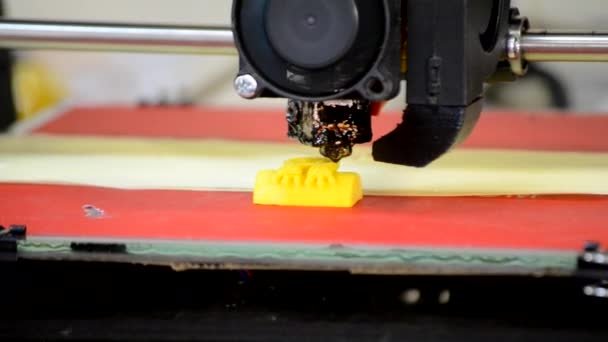
The rapid growth of 3D printing has transformed how products are designed, prototyped, and manufactured. With the ability to create complex objects from digital files, this technology empowers individuals and businesses to innovate at unprecedented speed. However, as the accessibility of 3D printers increases, so do concerns about intellectual property in 3D printing. Protecting original designs and avoiding infringement are now critical topics for anyone involved in this field.
Whether you are a designer, manufacturer, or hobbyist, understanding the legal landscape around digital fabrication is essential. This article explores the main types of intellectual property (IP) relevant to 3D printing, common risks, and practical strategies for safeguarding your creations. For those interested in related printing technologies, you may also find value in learning about what is soft hand feel in garment printing and how it impacts product quality.
Understanding IP Rights in Digital Fabrication
At its core, intellectual property in 3D printing involves the legal protections that apply to digital designs and the physical objects produced from them. Several forms of IP law are relevant:
- Copyright: Protects original works of authorship, including digital design files and artistic models. Copyright arises automatically upon creation but may require registration for enforcement.
- Patents: Cover new and useful inventions, processes, or designs. A patent gives the owner exclusive rights to make, use, or sell the invention for a set period.
- Trademarks: Safeguard brand names, logos, and other identifiers that distinguish goods or services.
- Trade Secrets: Protect confidential business information, such as proprietary manufacturing methods or formulas.
The digital nature of 3D printing files means that designs can be easily shared, copied, or modified. This raises unique challenges for creators seeking to maintain control over their work.
Common IP Risks in 3D Printing
As 3D printing becomes more widespread, so do the risks of IP infringement. Here are some typical scenarios:
- Unauthorized Sharing of Design Files: Digital models can be uploaded to online repositories or shared peer-to-peer, often without the original creator’s consent.
- Reverse Engineering: Physical products can be scanned or measured to create new digital files, which may then be reproduced or sold.
- Unintentional Infringement: Hobbyists and small businesses may unknowingly print objects that are protected by patents or copyright.
- Brand Counterfeiting: Logos and trademarks can be replicated on 3D printed goods, leading to consumer confusion and dilution of brand value.
To avoid these pitfalls, it is important to understand both your rights as a creator and your responsibilities as a user of digital designs.
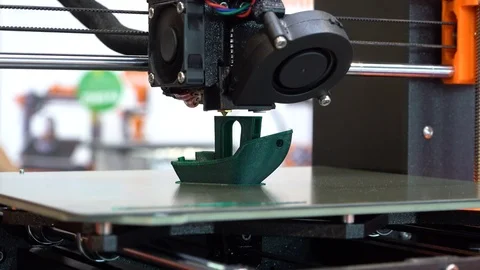
How to Protect Your 3D Designs
If you create original 3D models, there are several steps you can take to safeguard your work:
- Register Your IP: For significant designs or inventions, consider registering copyrights, patents, or trademarks. This provides legal grounds for enforcement if your rights are violated.
- Use Licensing Agreements: When sharing your designs, specify the terms under which others may use, modify, or distribute them. Creative Commons licenses, for example, allow you to set clear permissions.
- Watermark or Encrypt Files: Adding digital watermarks or using file encryption can deter unauthorized copying or distribution.
- Monitor Online Platforms: Regularly check popular 3D model repositories and marketplaces for unauthorized copies of your work.
- Educate Your Audience: Make it clear to users and customers that your designs are protected and outline the consequences of infringement.
These strategies can help you maintain control over your creations and reduce the risk of unauthorized use.
Legal Considerations for 3D Printing Users
If you download or print 3D models, it is your responsibility to ensure you are not violating someone else’s intellectual property rights. Here are some best practices:
- Check Licensing Terms: Always review the license attached to a design file. Some models are free for personal use but not for commercial purposes.
- Avoid Counterfeit Goods: Do not print items that replicate branded products, logos, or patented inventions without permission.
- Respect Copyright and Patent Law: Even if a file is available online, it may still be protected by law. When in doubt, seek permission from the original creator.
- Stay Informed: Laws around intellectual property in 3D printing are evolving. Keep up with legal developments and court cases that may affect your activities.
For a technical overview of how additive manufacturing works, see this detailed guide on 3D printer technology.

Emerging Trends and Future Challenges
The intersection of intellectual property in 3D printing and digital manufacturing is still developing. Several trends are shaping the future:
- Decentralized Production: As desktop 3D printers become more affordable, manufacturing is shifting away from centralized factories. This makes enforcement of IP rights more complex.
- Open Source Design Communities: Many creators share their work freely, fostering innovation but also raising questions about attribution and derivative works.
- Automated IP Enforcement: New tools are emerging to help creators track unauthorized use of their designs online.
- Legal Reform: Lawmakers are considering updates to copyright and patent law to address the unique challenges of digital fabrication.
Staying informed and proactive is key to navigating these changes. For those interested in broader trends in digital manufacturing, you may also want to explore the benefits of micro-factory models for fashion printing.
FAQ: Intellectual Property and 3D Printing
What types of intellectual property protect 3D printed designs?
3D printed designs can be protected by copyright (for original artistic works), patents (for inventions or novel designs), trademarks (for brand identifiers), and trade secrets (for confidential processes or formulas). The specific protection depends on the nature of the design and how it is used.
Can I legally print a model I found online?
Not always. Many digital models are protected by copyright or patents, even if they are freely available. Always check the licensing terms and ensure you have permission for your intended use. Printing for personal use may be allowed, but commercial use often requires explicit authorization.
What should I do if someone copies my 3D design?
If you discover unauthorized use of your design, start by documenting the infringement and contacting the party involved. You may request removal or negotiate a license. For serious cases, consult a legal professional to explore enforcement options, especially if you have registered your IP rights.
How can businesses avoid infringing on others’ IP with 3D printing?
Businesses should implement due diligence processes, such as reviewing the IP status of all design files, training staff on IP law, and seeking legal advice when in doubt. Using only licensed or original designs is the safest approach.
Conclusion
The world of 3D printing offers incredible opportunities for creativity and innovation, but it also introduces new challenges for protecting and respecting intellectual property. By understanding the relevant laws, taking proactive steps to secure your designs, and staying informed about industry trends, you can thrive in this evolving landscape. For more on digital printing and related topics, you might also be interested in what is embroidery vs printing for brand logos and how these choices impact your brand.