Bold, eye-catching neon and fluorescent shades have become a defining trend in modern fashion, from activewear to high-end street style. Achieving these vibrant effects on fabric requires specialized techniques and a clear understanding of both materials and printing methods. If you’re looking to master how to print neon and fluorescent colors on fabric, this guide covers the essential steps, technologies, and tips for producing stunning, long-lasting results.
Before diving into the technical aspects, it’s important to consider the end use of your garments and the type of fabric you’re working with. The approach to printing these bright colors can differ significantly between cotton, polyester, blends, and specialty textiles. For those interested in achieving a premium feel alongside vivid color, learning about what is soft hand feel in garment printing can further enhance your results.
Understanding Neon and Fluorescent Pigments for Fabric Printing
Neon and fluorescent colors are not just bright—they are formulated to reflect more visible light, making them appear to “glow” under daylight or UV light. These effects are achieved using special pigments and dyes that differ from standard textile inks.
- Neon pigments are typically synthetic and designed to maximize brightness and saturation.
- Fluorescent dyes absorb ultraviolet light and re-emit it, creating a glowing effect, especially under blacklight.
When selecting inks or dyes for your project, always ensure they are labeled as neon or fluorescent and are compatible with your chosen printing method and fabric type.
Choosing the Right Fabric for Vibrant Results
The fabric you select plays a crucial role in how neon and fluorescent shades appear. Natural fibers like cotton and viscose tend to absorb dyes and inks well, producing vivid colors. Synthetic fibers such as polyester may require special pretreatment or specific ink formulations to achieve optimal brightness.
- Cotton: Excellent for screen printing and direct-to-garment (DTG) methods with neon inks.
- Polyester: Best suited for sublimation or transfer printing with fluorescent inks designed for synthetics.
- Blends: Results can vary; always test a sample before full production.
Pre-treating your fabric, especially when using digital or DTG printing, can significantly improve color vibrancy and wash durability.
Popular Printing Methods for Neon and Fluorescent Colors
Multiple printing techniques can be used to apply neon and fluorescent shades to textiles. The best method depends on your production scale, fabric type, and desired finish.
Screen Printing with Neon Inks
Screen printing remains one of the most reliable ways to achieve intense, opaque neon colors on fabric. Specialized plastisol or water-based neon inks are used, often with a white underbase to maximize brightness. Proper mesh selection and ink curing are essential for long-lasting results.
Digital and Direct-to-Fabric Printing
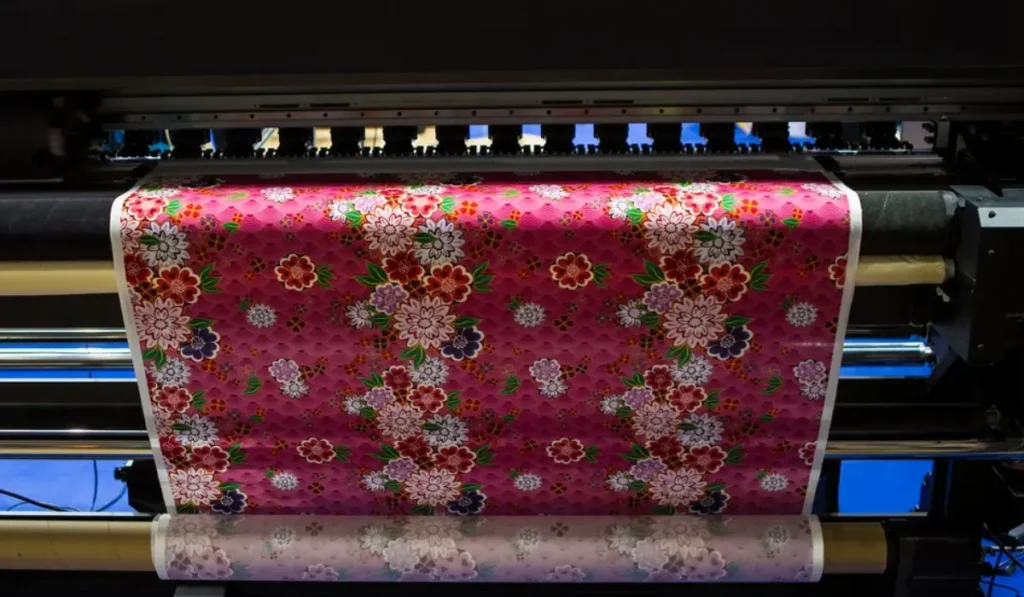
Advancements in digital textile printing have made it possible to reproduce neon and fluorescent effects with high precision. Some inkjet systems now offer fluorescent ink sets, allowing for detailed, multi-color designs with a soft hand feel. For more on the advantages of digital processes, see the benefits of digital printing for customized fashion.
Sublimation and Heat Transfer Techniques
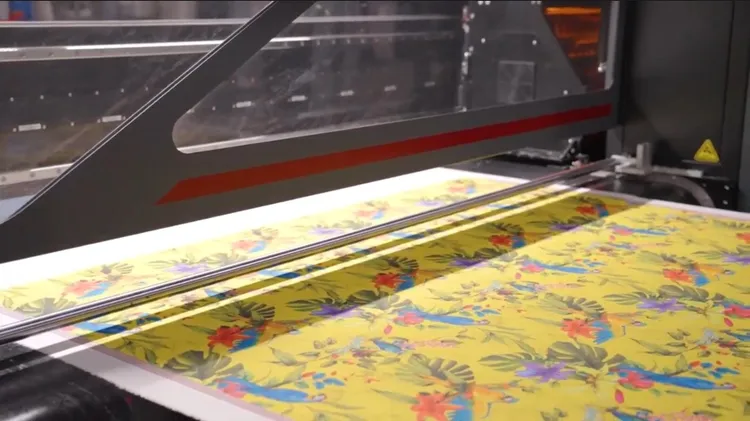
Sublimation printing is ideal for polyester fabrics and can produce brilliant fluorescent effects using special transfer papers and neon sublimation inks. Heat transfer vinyl (HTV) is another option, offering a wide range of neon colors that can be cut and pressed onto garments for bold, graphic looks.
Best Practices for Achieving Intense Neon and Fluorescent Prints
To ensure your prints are as vibrant and durable as possible, follow these proven tips:
- Use a white underbase: Applying a layer of white ink beneath neon or fluorescent colors helps them pop, especially on dark fabrics.
- Test ink compatibility: Always check that your chosen inks or dyes are suitable for both the fabric and the printing process.
- Control curing temperatures: Neon and fluorescent inks can be sensitive to heat. Follow manufacturer guidelines for curing to avoid color dulling or washout.
- Pre-treat and finish properly: Pre-treating fabric and using appropriate post-print finishing steps (like heat pressing) can enhance color intensity and longevity.
Common Challenges and Solutions in Neon Fabric Printing
Printing with neon and fluorescent shades can present unique challenges. Here are some common issues and how to address them:
- Color fading: Use high-quality, lightfast inks and follow correct curing procedures to minimize fading after washing or exposure to sunlight.
- Ink bleeding: Ensure proper mesh count and avoid over-saturating the fabric, especially with water-based neon inks.
- Inconsistent brightness: Apply a uniform white underbase and maintain consistent ink coverage during printing.
For those working with detailed or fine line designs, proper screen preparation is key. Learn more about how to prepare silk screens for fine lines to avoid loss of detail when using bright pigments.
Eco-Friendly Considerations for Neon Textile Printing
As sustainability becomes a priority in the fashion industry, many printers are seeking environmentally responsible ways to produce neon effects. Some digital printing methods use water-based fluorescent inks, which are less harmful than traditional plastisols. For a deeper dive into sustainable practices, explore this overview of digital textile printing and sustainability.
Integrating Neon Printing into Fashion Production
Whether you’re a small designer or a large-scale manufacturer, integrating neon and fluorescent printing into your workflow can add value and distinction to your collections. Micro-factory models, which emphasize on-demand production and rapid turnaround, are particularly well-suited for experimenting with bold color trends. For more on this approach, see the benefits of micro-factory models for fashion printing.
FAQ: Neon and Fluorescent Fabric Printing
What is the difference between neon and fluorescent inks?
Neon inks are highly saturated, bright colors that stand out under normal lighting. Fluorescent inks, on the other hand, contain pigments that absorb ultraviolet light and re-emit it, creating a glowing effect under UV or blacklight. Both types are used to achieve vivid results, but fluorescent inks offer an extra level of brightness in certain lighting conditions.
Can I print neon colors on any type of fabric?
While it’s possible to print neon shades on a wide range of textiles, the results will vary depending on the fabric’s composition and surface. Natural fibers like cotton generally produce the most vibrant results with screen or digital printing. Synthetics such as polyester require specialized inks or sublimation techniques for optimal brightness.
How do I make sure neon prints last after washing?
To maximize the durability of neon and fluorescent prints, use high-quality inks, apply a proper underbase, and follow recommended curing and finishing procedures. Pre-treating the fabric and washing garments inside out in cold water can also help preserve color intensity over time.
Are neon and fluorescent inks safe for clothing?
Most modern neon and fluorescent inks are formulated to be safe for apparel, but it’s important to verify that your chosen products are certified for use on garments and comply with relevant safety standards. Always check with your supplier for safety data sheets and certifications.