Printing on modern athletic and technical textiles presents unique challenges and opportunities. As the demand for custom sportswear, athleisure, and high-performance garments grows, decorators and manufacturers must adapt their methods to suit the properties of synthetic fibers and engineered blends. This guide to printing on activewear and performance fabrics explores the essential considerations, techniques, and best practices for achieving durable, vibrant, and comfortable results on these specialized materials.
Whether you’re a print shop owner, apparel brand, or production manager, understanding the nuances of working with moisture-wicking, stretch, and compression fabrics is crucial. From ink selection to curing and finishing, each step impacts the look, feel, and longevity of the final product. For those interested in achieving a soft, premium finish on garments, learning about what is soft hand feel in garment printing can further enhance your approach to technical apparel decoration.
Understanding Performance Textiles and Their Challenges
Activewear and performance fabrics are engineered for specific functions such as moisture management, breathability, stretch, and compression. Common materials include polyester, nylon, spandex (elastane), and blends that often feature antimicrobial or UV-resistant finishes. These characteristics, while beneficial for the wearer, introduce complexities for printers:
- Low surface energy: Synthetic fibers like polyester can resist ink adhesion, leading to poor print durability.
- Moisture-wicking coatings: Treatments designed to move sweat away from the body can interfere with ink absorption.
- Stretch and recovery: Fabrics with high spandex content require inks and processes that flex without cracking or peeling.
- Heat sensitivity: Some technical textiles are prone to shrinking, melting, or discoloring at high temperatures.
Recognizing these factors is the first step toward selecting the right printing method and materials for your project.
Popular Printing Methods for Athletic and Technical Apparel
Several decoration techniques are suitable for activewear, each with its own advantages and limitations. The choice depends on the fabric type, design complexity, production volume, and desired finish.
Screen Printing on Performance Fabrics
Screen printing remains a popular choice for athletic garments due to its versatility and cost-effectiveness for larger runs. However, printing on synthetics requires specialized inks and additives. Plastisol inks are common, but for a softer hand and better stretch, water-based or silicone inks are often preferred. Proper curing is essential to prevent issues like dye migration, where garment dyes bleed into the print.
Digital Printing Technologies
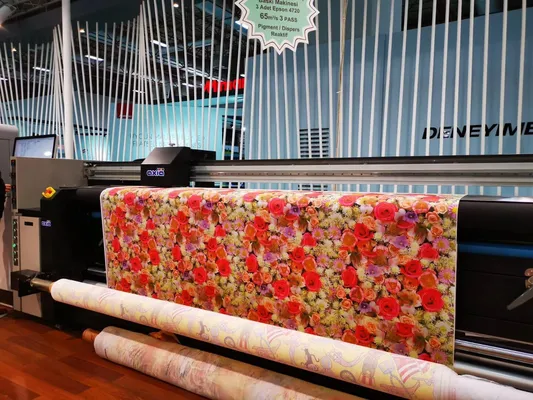
Digital textile printing, including direct-to-garment (DTG) and dye-sublimation, has revolutionized customization for sportswear. Dye-sublimation is especially effective for polyester, producing vibrant, all-over prints that become part of the fabric itself. For more on this technology, see this comprehensive overview of digital textile printing technology. DTG, while more common on cotton, is evolving to accommodate blends and some synthetics with pre-treatment solutions.
Heat Transfer and Vinyl Decoration
Heat transfer printing, including vinyl and digital transfers, offers flexibility for small runs and personalization. The key is selecting transfer films and adhesives compatible with stretch fabrics and ensuring the application temperature does not damage the garment. Stretchable vinyl and low-temp adhesives are widely available for this purpose.
Best Practices for Printing on Moisture-Wicking and Stretch Fabrics
Achieving high-quality results on technical textiles requires careful planning and process control. Here are some essential tips:
- Pre-test all materials: Always test inks, transfers, and curing settings on a sample garment before full production.
- Use low-bleed inks: These are formulated to resist dye migration, especially on polyester and dark colors.
- Control curing temperature: Overheating can cause shrinkage or damage to synthetic fibers. Use a temperature gun or test strips to verify accuracy.
- Choose stretch-compatible inks: Silicone and certain water-based inks are designed to flex with the fabric.
- Consider garment construction: Seams, zippers, and panels can affect print placement and adhesion.
Common Issues and How to Avoid Them
Printing on performance textiles can introduce several challenges. Here are some frequent issues and solutions:
| Issue | Cause | Solution |
|---|---|---|
| Dye Migration | Heat causes garment dye to bleed into print | Use low-bleed inks, lower curing temps, and barrier underbases |
| Cracking or Peeling | Ink lacks stretch or improper curing | Select stretchable inks, test cure thoroughly |
| Poor Adhesion | Surface treatments or low surface energy | Pre-treat fabric, use specialty adhesives or primers |
| Ghosting or Shadowing | Movement during heat transfer or sublimation | Secure garment, use proper pressure and dwell time |
Emerging Trends in Sportswear Printing
The world of activewear decoration is evolving rapidly. Key trends include:
- Eco-friendly inks and processes: Water-based, PVC-free, and low-energy curing systems are gaining traction.
- Micro-factory production: On-demand, localized manufacturing enables fast turnaround and reduced waste. Learn more about the benefits of micro-factory models for fashion printing.
- Personalization and short runs: Digital printing and heat transfer methods make it easier to offer custom designs, names, and numbers.
- Soft hand and comfort: Consumers expect prints that don’t compromise the stretch, breathability, or feel of performance fabrics.
Care and Longevity of Printed Performance Apparel
Proper care instructions are essential to maximize the lifespan of decorated activewear. Advise customers to:
- Wash garments inside out in cold water
- Avoid bleach and harsh detergents
- Hang dry or tumble dry on low
- Do not iron directly on printed areas
Following these guidelines helps preserve both the print and the technical properties of the fabric.
Frequently Asked Questions
What is the best printing method for polyester sportswear?
Dye-sublimation is often considered the top choice for 100% polyester garments, as it produces vibrant, long-lasting prints that do not affect the fabric’s stretch or breathability. For blended fabrics or designs requiring opacity, screen printing with low-bleed or silicone inks is also effective.
How can I prevent dye migration on synthetic fabrics?
To minimize dye migration, use low-bleed inks specifically formulated for polyester, cure at the lowest effective temperature, and consider using a blocker base layer. Always pre-test on the actual garment to ensure results.
Are water-based inks suitable for activewear?
Water-based inks can be used on performance textiles, especially when a soft, breathable finish is desired. However, they may require additional additives or pre-treatments for optimal adhesion and durability on synthetics. Testing is essential to confirm compatibility.
Conclusion
Decorating athletic and technical apparel requires a thoughtful approach that balances print quality, fabric performance, and wearer comfort. By understanding the unique properties of these materials and applying the right techniques, you can deliver high-quality, durable, and visually appealing results. As the industry continues to innovate, staying informed about new inks, technologies, and best practices will help you meet the evolving needs of the activewear market.