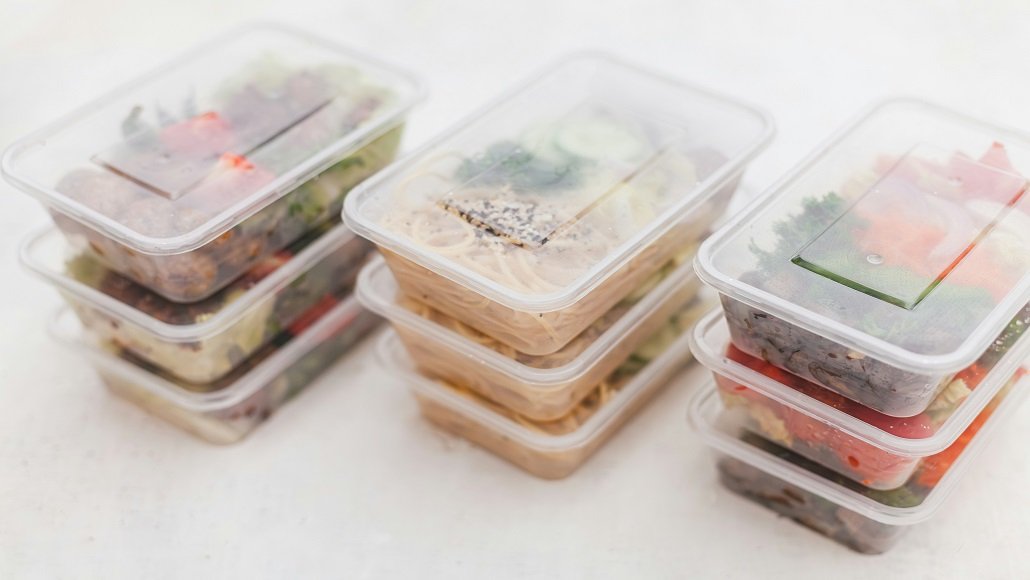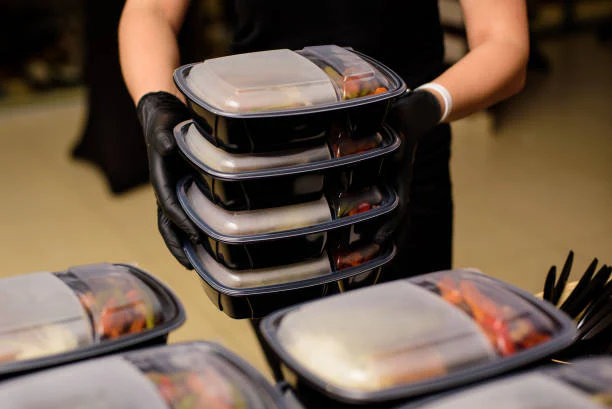
As sustainability becomes a top priority for both businesses and consumers, the demand for recyclable food-safe packaging is on the rise. This type of packaging not only protects food from contamination but also supports environmental goals by reducing waste and promoting responsible disposal. Understanding the materials, certifications, and best practices behind these solutions is essential for anyone involved in food service, manufacturing, or retail.
Whether you’re a restaurant owner, food producer, or simply interested in eco-friendly living, this article will clarify what makes packaging both safe for food contact and suitable for recycling. For those curious about sustainable practices in other industries, you might also find value in learning about what is soft hand feel in garment printing and how different sectors are adopting greener approaches.
What Makes Packaging Both Safe and Recyclable?
The intersection of food safety and recyclability is more complex than it might seem. To qualify as recyclable food-safe packaging, a product must meet two core requirements:
- Food Safety: Materials must not leach harmful chemicals into food, withstand various temperatures, and comply with regulations set by authorities such as the FDA or EFSA.
- Recyclability: The packaging must be made from materials that can be collected, processed, and reused in new products, without contamination from food residues or non-recyclable coatings.
Achieving both goals often involves careful selection of raw materials and manufacturing processes. For a deeper dive into what constitutes food-grade packaging, see this comprehensive overview of food-grade packaging standards.
Common Materials Used in Eco-Friendly Food Packaging
Not all packaging materials are created equal when it comes to both food safety and recyclability. Here are some of the most widely used options:
- Paper and Cardboard: Often lined with food-safe coatings, these are widely recyclable and commonly used for takeout containers, bakery boxes, and beverage cups.
- PET (Polyethylene Terephthalate): This clear plastic is approved for food contact and is one of the most recycled plastics globally, often used for salad containers and drink bottles.
- HDPE (High-Density Polyethylene): Known for its strength and resistance to moisture, HDPE is used for milk jugs, yogurt tubs, and some food trays.
- PLA (Polylactic Acid): A bioplastic made from renewable resources like corn starch, PLA is compostable in industrial facilities but may not be accepted in all recycling streams.
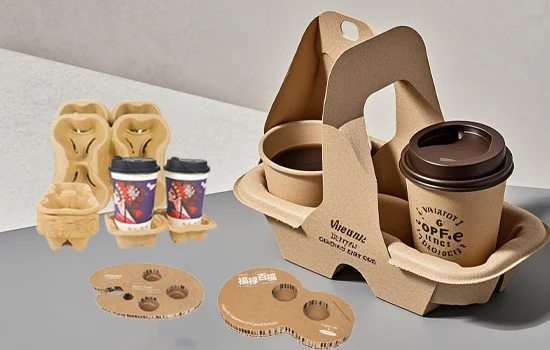
The choice of material often depends on the type of food, shelf life requirements, and local recycling capabilities.
Certifications and Standards for Recyclable Food Packaging
To ensure that packaging is both safe for food and suitable for recycling, several certifications and standards are in place:
- FDA/EFSA Compliance: Indicates that materials are safe for direct food contact.
- Recycling Codes: Numbers printed on packaging (such as #1 for PET or #2 for HDPE) help consumers and recyclers identify recyclable plastics.
- Forest Stewardship Council (FSC): Certifies that paper and cardboard come from responsibly managed forests.
- Compostability Certifications: Labels like ASTM D6400 or EN 13432 indicate that a product is compostable under industrial conditions.
When selecting packaging, look for these certifications to ensure compliance and support for recycling infrastructure.
Benefits of Using Recyclable and Food-Safe Solutions
Adopting recyclable food-safe packaging offers multiple advantages for businesses, consumers, and the environment:
- Reduces Waste: Packaging that can be recycled helps divert materials from landfills and supports a circular economy.
- Protects Health: Food-safe materials prevent contamination and preserve the quality of food products.
- Enhances Brand Image: Companies that prioritize sustainability often attract eco-conscious customers and improve their reputation.
- Meets Regulatory Requirements: Many regions now require or incentivize the use of recyclable and food-safe materials in food packaging.
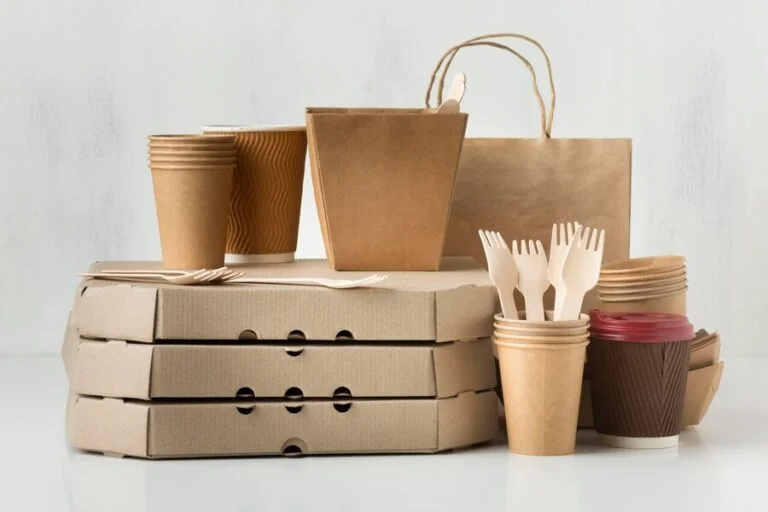
These benefits make sustainable packaging a smart choice for businesses looking to future-proof their operations and appeal to modern consumers.
Challenges and Considerations in Sustainable Food Packaging
While the advantages are clear, there are also challenges to implementing recyclable food-safe packaging on a large scale:
- Contamination: Food residue can make otherwise recyclable packaging unsuitable for processing. Proper cleaning and consumer education are crucial.
- Mixed Materials: Packaging that combines plastic, paper, or metal layers can be difficult to recycle unless designed for easy separation.
- Local Recycling Limitations: Not all communities accept the same materials, so packaging should be tailored to local capabilities.
- Cost: Sustainable materials and certifications may increase upfront costs, though these can be offset by long-term savings and brand value.
Addressing these challenges requires collaboration across the supply chain, from manufacturers to end-users.
How to Choose the Right Eco-Friendly Packaging for Your Needs
Selecting the best option involves balancing food safety, recyclability, cost, and customer expectations. Here are some practical steps:
- Assess Your Products: Consider the type of food, shelf life, and storage conditions.
- Research Local Recycling: Check which materials are accepted by your local facilities.
- Look for Certifications: Choose packaging with clear labeling and third-party certifications for both food safety and recyclability.
- Educate Staff and Customers: Provide clear instructions on how to dispose of packaging responsibly.
- Stay Informed: Keep up with evolving regulations and innovations in sustainable packaging.
By following these steps, businesses can make informed decisions that benefit both their operations and the environment.
Frequently Asked Questions
What types of food packaging are easiest to recycle?
Single-material packaging, such as PET plastic containers, uncoated paper, and cardboard, are generally the easiest to recycle. Avoiding mixed-material items and ensuring packaging is clean and free of food residue also helps improve recyclability.
Are compostable packaging materials the same as recyclable ones?
No, compostable materials are designed to break down in composting environments, while recyclable materials are processed and reused in manufacturing. Some compostable items may not be recyclable and vice versa, so it’s important to check local guidelines and certifications.
How can I tell if packaging is safe for food contact?
Look for certifications or statements indicating compliance with FDA, EFSA, or other regulatory standards. Packaging should also be labeled as “food-safe” or “food-grade,” and reputable suppliers will provide documentation to verify safety.