Creating seamless, repeating motifs for fabric production is a foundational skill in textile design and manufacturing. Whether you’re working with digital printing or traditional screen methods, understanding how to set up a repeat pattern for textile rolls ensures your designs flow smoothly across large surfaces, minimizing waste and maintaining visual consistency. This guide covers essential steps, practical considerations, and tips for achieving professional results when preparing patterns for continuous fabric runs.
Before diving into the technical process, it’s important to recognize how repeat patterns impact both the look and efficiency of textile production. Properly aligned repeats reduce mismatches, save material, and help maintain the integrity of your original design. For those interested in related fabric finishing techniques, you may also want to explore what is soft hand feel in garment printing to understand how print methods affect the final product’s texture.
Understanding Repeat Patterns for Fabric Production
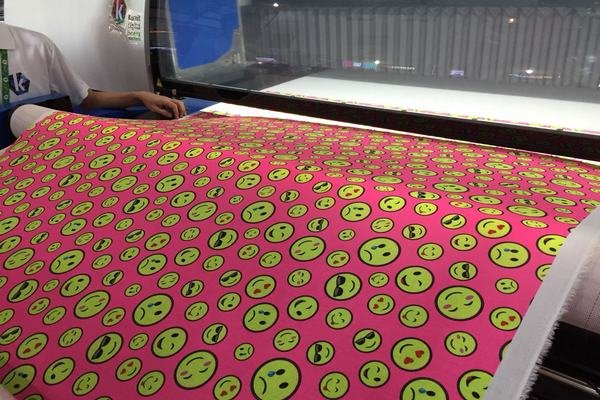
When preparing designs for textile rolls or bolts, a repeat pattern refers to a motif or artwork that seamlessly tiles both horizontally and vertically. This allows the design to be printed continuously without visible breaks or mismatches. The most common types include:
- Full drop (straight repeat): The motif repeats directly side by side and top to bottom, forming a grid.
- Half drop: Each row is offset by half the height of the repeat, creating a staggered effect.
- Brick repeat: Similar to half drop, but offset horizontally.
- Tossed or random: Motifs are scattered, but the repeat tile still needs to be seamless.
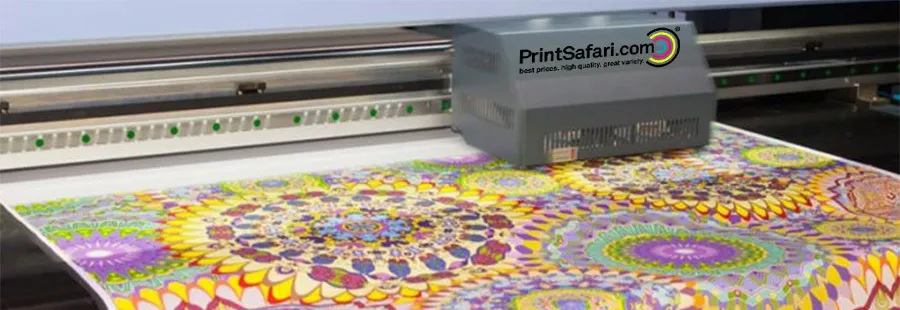
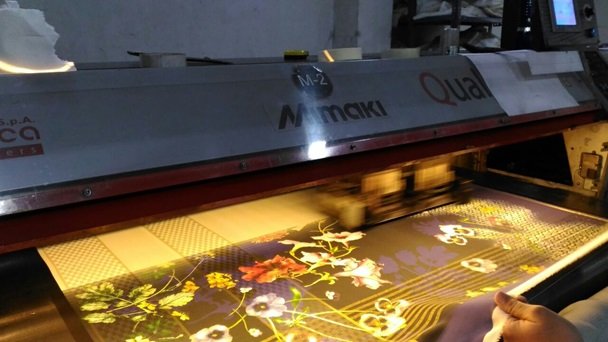
Choosing the right repeat type depends on the intended use, the complexity of the artwork, and the printing method. For example, digital fabric printing allows for more complex and larger repeats compared to traditional rotary or flatbed screen printing.
Key Steps in Setting Up a Repeat Pattern for Textile Rolls
To ensure your artwork translates perfectly onto fabric, follow these essential steps for preparing a repeat pattern:
1. Define the Repeat Size
Start by determining the dimensions of your repeat tile. This is the rectangular area that will be duplicated across the fabric. Consider the following:
- Print method limitations: Some printing techniques have maximum repeat sizes due to screen or machine width.
- Design scale: Large motifs may require bigger repeats, while small, intricate designs can use smaller tiles.
- Fabric width: Standard fabric rolls are often 44–60 inches wide, so plan your repeat to fit efficiently within these dimensions.
2. Create Seamless Edges
For a repeat to be successful, the artwork must align perfectly at the edges of the tile. This means the left and right edges, as well as the top and bottom, must match up when tiled. Techniques to achieve this include:
- Using design software with a “wrap around” or “offset” tool to visualize the repeat.
- Manually copying and pasting motif elements across edges to ensure continuity.
- Testing the repeat by duplicating the tile in a grid to check for visible seams.
3. Prepare the File for Production
Once your design is seamless, set up the file according to the printer’s specifications. This usually involves:
- Setting the correct resolution (typically 150–300 dpi for fabric printing).
- Using the appropriate color mode (CMYK for most digital printers).
- Flattening or outlining text and vector elements if required.
- Saving in a compatible format (TIFF, PSD, or AI are common).
4. Test and Approve the Repeat
Before full-scale production, print a sample swatch or use a digital preview to inspect the repeat. Look for:
- Seamless joins at all edges.
- Consistent color and motif alignment.
- No unwanted gaps, overlaps, or visual distractions.
Making adjustments at this stage can save significant time and material during the actual printing process.
Tips for Efficient Pattern Repeats on Fabric Bolts
Optimizing your repeat setup not only improves the final look but also reduces production costs. Here are some practical tips:
- Keep repeats proportional to the fabric width to minimize waste during cutting and sewing.
- Consider pattern directionality—decide if your design should be non-directional (usable both ways) or have a clear top and bottom.
- Use color separations wisely if working with screen printing, as each color may require a separate screen.
- Communicate with your printer about technical requirements and limitations before finalizing the design.
Common Challenges and How to Overcome Them
Even experienced designers encounter obstacles when preparing repeats for textile rolls. Here are some frequent issues and solutions:
- Visible seams: If edges don’t align, use the offset filter in Photoshop or similar tools to check and fix mismatches.
- Color shifts: Calibrate your monitor and use color profiles provided by your printer to ensure color accuracy.
- Pattern distortion: Account for fabric stretch or shrinkage, especially with knits or natural fibers.
- Ghost images or residue: For screen printing, learn how to remove ghost images from printing screens to maintain crisp, clean prints.
Integrating Repeat Patterns with Modern Printing Techniques
Advancements in textile printing have expanded the possibilities for repeat pattern design. Digital printing, in particular, allows for:
- Unlimited color options and gradients.
- Larger and more complex repeats.
- Quick turnaround and easy sampling.
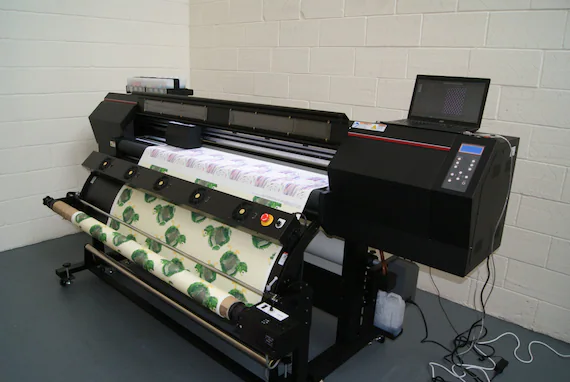
However, traditional methods like rotary and flatbed screen printing remain popular for large production runs due to their cost efficiency and durability. Each method has unique requirements for repeat setup, so always consult with your production partner to optimize your files.
Frequently Asked Questions
What is the best software for creating seamless repeats?
Popular choices include Adobe Photoshop, Illustrator, and specialized textile design programs like Procreate or Affinity Designer. These tools offer features such as pattern preview, offset filters, and precise alignment aids for building seamless tiles.
How do I choose the right repeat size for my project?
Consider the fabric width, motif scale, and intended end use. For apparel, smaller repeats may be preferable, while home décor items can accommodate larger, bolder patterns. Always check with your printer for any technical constraints.
Can I use the same repeat file for both digital and screen printing?
While the basic repeat structure can be the same, file preparation may differ. Screen printing often requires color separations and simplified artwork, while digital printing supports more complex designs and color gradients. Adjust your file according to the chosen production method.
Conclusion
Mastering how to set up a repeat pattern for textile rolls is essential for anyone involved in textile design or production. By understanding repeat types, ensuring seamless artwork, and preparing files to industry standards, you can achieve professional, efficient results on any fabric project. For further insights into advanced printing techniques, explore resources like the guide to printing on activewear and performance fabrics or learn about the benefits of micro-factory models for fashion printing. With careful planning and attention to detail, your patterns will translate beautifully from screen to finished textile rolls.