The world of printing chocolate and edible items has evolved rapidly with the rise of 3D printing technology. What once seemed like science fiction—creating intricate, customized treats and edible decorations at the push of a button—is now a practical reality in kitchens, bakeries, and restaurants around the globe. This article explores how 3D printing is transforming the way we design, produce, and enjoy food, especially sweets and confections.
As additive manufacturing continues to expand, its applications in the culinary world are opening new creative and business opportunities. Whether you’re a professional chef, a chocolatier, or simply curious about innovative food tech, understanding the process and potential of edible 3D printing can help you stay ahead of the curve. For those interested in other advanced printing techniques, you may also want to learn about what is soft hand feel in garment printing and how it applies to textiles.
How 3D Printing Works for Edible Creations
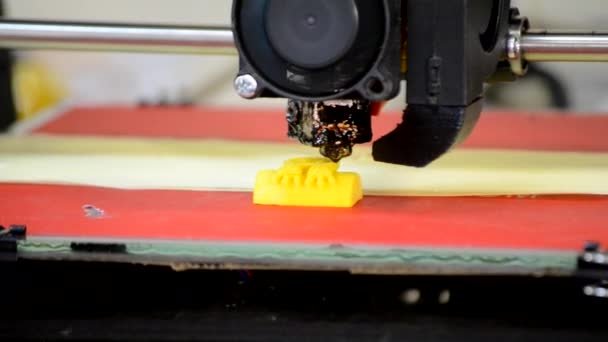
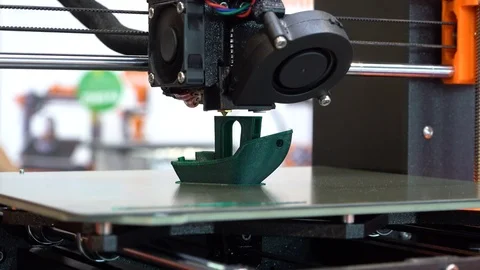
At its core, 3D printing—also known as additive manufacturing—builds objects layer by layer from digital designs. When it comes to printing chocolate and edible items, the process uses food-safe materials such as melted chocolate, sugar pastes, or even dough. Specialized food printers extrude or deposit these edible substances according to precise digital models, resulting in highly detailed and customized shapes.
The technology is similar to traditional 3D printing with plastics or resins, but with important modifications for food safety and ingredient handling. For a deeper dive into the basics of 3D printing, you can visit this comprehensive overview of 3D printing technology.
Popular Applications: Chocolate, Sugar, and More
The most common use of 3D food printers is in the creation of custom chocolate designs. Chocolatiers and pastry chefs use these machines to craft intricate shapes, personalized messages, and even edible sculptures that would be nearly impossible to achieve by hand. Beyond chocolate, sugar-based materials are also popular for making decorative cake toppers and candies.
Some advanced machines can handle dough, cheese, or even pureed fruits and vegetables, allowing for a wide range of edible products. Restaurants and event caterers are leveraging this technology to offer unique, personalized experiences for their customers.
Benefits of Using 3D Printing for Edible Items
The advantages of using 3D printing for food production are significant, especially for businesses looking to stand out in a competitive market. Here are some of the main benefits:
- Customization: Easily create personalized treats for special occasions, branding, or dietary needs.
- Precision: Achieve intricate designs and fine details that are difficult to replicate by hand.
- Efficiency: Automate repetitive or complex tasks, saving time and reducing labor costs.
- Creativity: Experiment with new shapes, textures, and flavor combinations that push culinary boundaries.
- Reduced Waste: Use only the amount of material needed for each item, minimizing leftovers and scraps.
These benefits make edible 3D printing appealing not only to professionals but also to hobbyists and educators interested in food science and design.
Key Considerations When Printing Edible Materials
While the possibilities are exciting, there are important factors to keep in mind when working with food-safe 3D printers:
- Ingredient Quality: Only use high-quality, food-grade materials suitable for extrusion or deposition.
- Temperature Control: Chocolate and sugar require precise temperature management to maintain texture and prevent clogging.
- Cleaning and Hygiene: Machines must be thoroughly cleaned to prevent contamination and ensure food safety.
- Design Compatibility: Not all digital models are suitable for edible printing; designs must account for ingredient flow and structural support.
- Regulatory Compliance: Commercial users should ensure their equipment and processes meet local food safety regulations.
By addressing these considerations, users can achieve consistent, high-quality results and avoid common pitfalls.

Comparing Edible 3D Printing to Traditional Methods
Traditional confectionery and baking techniques rely heavily on molds, manual piping, and handcrafting. While these methods are time-tested, they can be labor-intensive and limit the complexity of possible designs. In contrast, 3D printing allows for:
- Rapid prototyping of new shapes and concepts
- On-demand production of unique or limited-edition items
- Easy modification of digital models for personalization
- Consistent replication of intricate patterns
For businesses, this means faster turnaround times and the ability to offer products that truly stand out. For individuals, it opens the door to creative experimentation in the kitchen.
Emerging Trends and Future Possibilities
The field of printing chocolate and edible items continues to advance, with new machines and materials being developed every year. Some emerging trends include:
- Multi-ingredient Printing: Printers capable of depositing multiple materials in a single build, enabling layered flavors and textures.
- Personalized Nutrition: Customizing recipes for individual dietary needs, such as low-sugar or allergen-free treats.
- Integration with Smart Kitchens: Linking 3D printers to other appliances and recipe databases for seamless food preparation.
- Educational Use: Bringing food science and design into classrooms to inspire the next generation of culinary innovators.
As the technology matures, we can expect even broader adoption and more creative applications across the food industry.
Getting Started with Edible 3D Printing
If you’re interested in exploring this technology, start by researching food-safe 3D printers and compatible materials. Many entry-level machines are now available for home and small business use. Be sure to review user guides, safety instructions, and cleaning protocols before your first print.
For those looking to expand their knowledge of innovative printing techniques, our article on the benefits of micro-factory models for fashion printing offers insights into how digital manufacturing is transforming other industries as well.
Frequently Asked Questions
What types of chocolate can be used in 3D food printers?
Most edible 3D printers designed for chocolate work best with couverture chocolate, which has a higher cocoa butter content and melts smoothly. It’s important to use chocolate that is free of large inclusions (like nuts or fruit pieces) to prevent clogging. Always check your printer’s specifications for compatible ingredients.
Is 3D printed food safe to eat?
Yes, as long as the printer and all materials are food-grade and properly cleaned. Food-safe 3D printers are made with materials that do not leach chemicals and are easy to sanitize. Always follow manufacturer guidelines for cleaning and maintenance to ensure safety.
Can I print savory foods or just sweets?
While chocolate and sugar are the most common materials, some advanced food printers can handle dough, cheese, pureed vegetables, and other savory ingredients. The range of foods you can print depends on your machine’s capabilities and the consistency of the ingredients.
The intersection of food and technology is only just beginning to be explored. Whether you’re interested in culinary artistry, business innovation, or simply want to try something new, edible 3D printing offers a world of possibilities. If you’re curious about other printing challenges, such as how to remove ghost images from printing screens, our resources can help you tackle a wide range of creative projects.