The world of custom manufacturing with 3D printing is transforming how products are designed, prototyped, and produced. This approach offers unmatched flexibility, allowing businesses and individuals to create tailored parts and products without the constraints of traditional manufacturing. Whether you’re a startup looking to produce small batches or an established company aiming to streamline your supply chain, additive manufacturing opens up new possibilities for innovation and efficiency.
As the technology matures, more industries—from automotive to healthcare and fashion—are leveraging 3D printing for rapid prototyping, on-demand production, and even end-use parts. This article explores the key benefits, methods, and practical considerations for integrating these advanced techniques into your workflow. For those interested in related production innovations, you might also find value in learning about the benefits of micro-factory models for fashion printing, which share similar principles of agility and customization.

What Makes 3D Printing Ideal for Custom Manufacturing?
Additive manufacturing stands out for its ability to produce complex geometries and one-off designs with minimal setup. Unlike traditional subtractive methods, which often require expensive tooling and long lead times, 3D printing can turn digital designs into physical objects rapidly. This is especially valuable for businesses that need to respond quickly to market changes or customer feedback.
Key advantages include:
- Rapid prototyping—quickly iterate and test new ideas without waiting weeks for molds or dies.
- On-demand production—manufacture only what’s needed, reducing inventory and waste.
- Design freedom—create intricate, lightweight, or customized parts that would be impossible or costly with conventional methods.
- Cost efficiency for small batches—eliminate the need for large minimum order quantities.
Key Technologies in Additive Manufacturing
Several 3D printing technologies are commonly used in flexible production. Each offers distinct advantages depending on the application, material requirements, and desired finish.
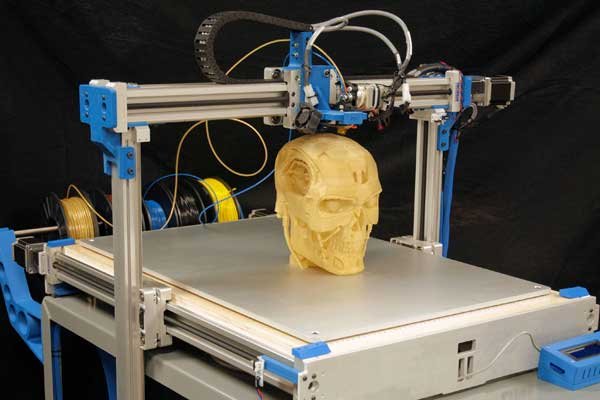
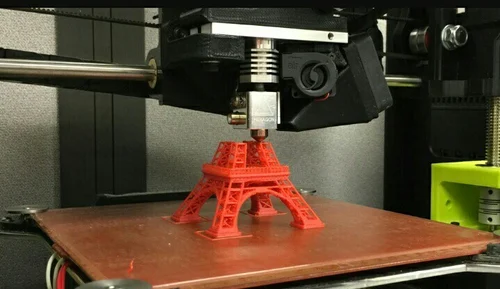
- Fused Deposition Modeling (FDM): Popular for its affordability and versatility, FDM extrudes thermoplastic filaments layer by layer. It’s ideal for functional prototypes and end-use parts in plastics.
- Stereolithography (SLA): Uses a laser to cure liquid resin, producing high-resolution parts with smooth surfaces. SLA is favored for detailed prototypes, dental models, and jewelry.
- Selective Laser Sintering (SLS): Fuses powdered materials (plastics, nylons, or metals) using a laser. SLS is excellent for durable, functional components and complex assemblies.
- Direct Metal Laser Sintering (DMLS): Enables the production of metal parts with intricate internal structures, often used in aerospace and medical implants.
Flexible Production Methods for Custom Parts
The flexibility of 3D printing enables several production strategies that traditional manufacturing can’t match. Here are some of the most impactful approaches:
Batch Production and On-Demand Manufacturing
With digital files as the foundation, manufacturers can produce items in small or large batches with minimal retooling. This is particularly useful for industries with fluctuating demand or frequent design updates. On-demand production also means products can be made closer to the point of use, reducing shipping times and costs.
Mass Customization
One of the most exciting aspects of custom manufacturing with 3D printing is the ability to personalize products at scale. From custom-fit medical devices to individualized consumer goods, additive manufacturing allows each item to be tailored without increasing production complexity or cost.
Rapid Tooling and Prototyping
3D printing isn’t limited to final products. It’s also widely used to create jigs, fixtures, and molds for traditional processes. This accelerates development cycles and enables faster transitions from concept to market-ready product.
Materials and Applications in Additive Manufacturing
The range of materials available for 3D printing continues to expand, making it suitable for a growing list of applications. Plastics remain the most common, but metals, ceramics, and composites are increasingly accessible.
- Plastics: ABS, PLA, nylon, and polycarbonate are widely used for prototypes, consumer goods, and functional parts.
- Metals: Stainless steel, titanium, and aluminum enable high-strength, lightweight components for aerospace, automotive, and medical industries.
- Resins: Used in SLA and DLP printers for high-detail, smooth-surfaced models, dental appliances, and jewelry.
- Composites: Carbon fiber or glass fiber-reinforced filaments offer enhanced strength and stiffness for demanding applications.
For a deeper dive into the technical aspects and comparisons of these technologies, you can reference this comprehensive guide to 3D printing processes and materials.
Challenges and Considerations
While the benefits are substantial, there are practical considerations to keep in mind when adopting additive manufacturing for flexible production:
- Material limitations: Not all materials are suitable for every application or printer type.
- Surface finish and tolerances: Some processes may require post-processing for smoothness or precision.
- Production speed: While setup is fast, large or complex parts can still take hours to print.
- Intellectual property: Digital files can be easily shared, raising concerns about design security.
Despite these challenges, ongoing advancements in hardware, software, and materials are making 3D printing more accessible and reliable for a wide range of industries.
Integrating 3D Printing into Your Production Workflow
To get started with flexible production, consider the following steps:
- Identify parts or products that would benefit from customization or rapid iteration.
- Evaluate which 3D printing technology and material best suit your needs.
- Develop digital models using CAD software or scan existing objects for reproduction.
- Test prototypes and refine designs based on feedback and performance.
- Scale up production as needed, leveraging on-demand or distributed manufacturing models.
For those in the apparel and branding space, exploring topics such as what is embroidery vs printing for brand logos can provide additional insights into how digital and traditional methods can complement each other.
FAQ
What are the main benefits of using 3D printing for custom manufacturing?
The primary advantages include rapid prototyping, reduced lead times, cost-effective small batch production, and the ability to create complex or personalized designs without expensive tooling. This makes it ideal for businesses needing agility and innovation.
Which industries are adopting flexible production with additive manufacturing?
Sectors such as automotive, aerospace, healthcare, dental, fashion, and consumer products are increasingly integrating 3D printing into their workflows. The technology is especially valuable where customization, lightweighting, or rapid iteration are priorities.
How do I choose the right 3D printing technology for my needs?
The choice depends on factors like material requirements, part size, desired surface finish, and budget. FDM is popular for general use, SLA for high-detail prototypes, and SLS or DMLS for functional or metal parts. Researching the available options and consulting resources such as a comprehensive 3D printing guide can help inform your decision.