The world of next generation 3D printers is evolving at a rapid pace, bringing advanced capabilities and smarter features to both professionals and hobbyists. As additive manufacturing technology matures, new models are emerging that promise higher precision, faster speeds, and greater material versatility. These advances are not only transforming how products are designed and manufactured, but also opening up new possibilities for prototyping, custom production, and even home use.
Understanding the latest breakthroughs in 3D printing can help you make informed decisions, whether you’re looking to upgrade your current setup or explore the potential of this technology for the first time. In this article, we’ll explore the most important trends, highlight key innovations, and preview some of the most anticipated printers set to hit the market soon.
For those interested in how these advancements compare to other printing technologies, you might also find it useful to read about the what is soft hand feel in garment printing and how it impacts the final product in textile applications.
Key Innovations in Modern 3D Printing
Recent years have seen significant breakthroughs that are shaping the future of additive manufacturing. The latest next generation 3D printers are defined by several core innovations:
- Multi-material printing: New machines can handle multiple filaments or resins at once, allowing for complex, multi-color, or multi-property parts in a single print job.
- Automated calibration and leveling: Advanced sensors and smart software reduce setup time and improve print reliability, making the process more accessible to beginners and professionals alike.
- Faster print speeds: Enhanced motion systems and optimized slicing algorithms are dramatically reducing print times without sacrificing quality.
- Expanded material compatibility: Support for engineering-grade polymers, composites, and even metals is becoming more common, broadening the range of possible applications.
- Improved connectivity: Wi-Fi, cloud integration, and remote monitoring features allow users to control and supervise prints from anywhere.
These features are helping to eliminate many of the traditional pain points associated with 3D printing, such as manual bed leveling, warping, and limited material choices.
Emerging Trends in Additive Manufacturing
As the technology matures, several trends are becoming increasingly prominent in the industry:
- Hybrid manufacturing: Some new machines combine additive and subtractive processes, such as milling or laser engraving, to produce finished parts in a single workflow.
- Eco-friendly materials: There is a growing emphasis on biodegradable and recycled filaments, as well as energy-efficient printer designs.
- Scalability: Desktop printers are getting larger build volumes, while industrial models are being optimized for mass production and continuous operation.
- User-friendly interfaces: Touchscreens, guided setup wizards, and real-time error detection are making advanced machines easier to operate than ever before.
- Integration with digital design tools: Seamless compatibility with CAD software and cloud-based platforms streamlines the workflow from concept to finished part.
These trends are helping to make 3D printing more accessible, sustainable, and efficient for users across a wide range of industries.
Breakthroughs in FDM and Resin Printing
Fused Deposition Modeling (FDM) and resin-based technologies continue to dominate the landscape, but both are seeing remarkable improvements in the latest models.
Advancements in FDM Technology
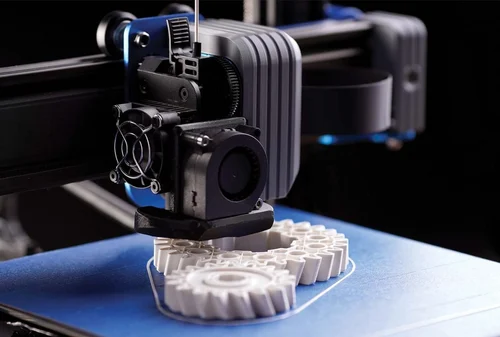
Modern FDM printers are now equipped with dual or even triple extruders, enabling the use of support materials or multiple colors in a single print. New hotend designs allow for higher temperatures, expanding compatibility with advanced filaments like nylon, polycarbonate, and carbon fiber composites. Automated filament loading and jam detection further enhance reliability and ease of use.
Resin Printing: Higher Detail and Speed
Resin-based systems, such as LCD and DLP printers, are pushing the boundaries of detail and surface finish. The latest models feature monochrome screens for faster curing times and longer lifespan, as well as larger build areas. Improved vat tilting mechanisms and anti-aliasing algorithms deliver smoother prints with fewer artifacts. These advances make resin printers ideal for jewelry, dental, and miniature applications.
Upcoming Models to Watch
Several highly anticipated machines are set to launch soon, each bringing unique capabilities to the market. Here are a few notable examples:
- Creality K2 Plus: This large-format FDM printer offers auto-leveling, dual extrusion, and a robust frame for consistent results. Its cloud connectivity and modular design make it suitable for both professionals and advanced hobbyists.
- Anycubic Photon M5: A next-gen resin printer with a 12K monochrome screen, promising ultra-fine detail and rapid print speeds for intricate models.
- Bambu Lab X2 Series: Known for its high-speed coreXY motion system and advanced AI monitoring, this series is designed for users who demand both speed and reliability.
- Prusa XL: Featuring a tool-changing system and a massive build volume, this printer is aimed at those who need versatility and industrial-grade performance.
As these and other models become available, users can expect even greater flexibility, speed, and print quality from their machines.

Applications Expanding Across Industries
The impact of the latest 3D printing technology is being felt in a variety of fields:
- Prototyping and product development: Faster iteration cycles and improved accuracy help companies bring products to market more quickly.
- Healthcare: Custom prosthetics, dental models, and surgical guides are now more precise and affordable.
- Fashion and art: Designers use advanced printers for unique garments, accessories, and sculptures. For more on how digital fabrication is changing fashion, see the benefits of micro-factory models for fashion printing.
- Education: Schools and universities are adopting user-friendly printers to teach STEM concepts and foster creativity.
- Manufacturing: Small-batch production, jigs, and fixtures are now easier and more cost-effective to produce in-house.
Choosing the Right 3D Printer for Your Needs
With so many options available, selecting the right machine can be challenging. Consider these factors when evaluating the latest models:
- Print volume: Choose a size that matches your typical projects, but don’t overpay for build space you won’t use.
- Material compatibility: Make sure the printer supports the filaments or resins you plan to use most often.
- Ease of use: Look for features like auto-leveling, touchscreen controls, and reliable customer support.
- Community and support: A strong user community and readily available spare parts can make a big difference in long-term satisfaction.
- Budget: Balance your needs against your budget, keeping in mind that advanced features may justify a higher upfront cost.
For a deeper understanding of how 3D printing mechanisms work, you can explore this comprehensive guide to 3D printing mechanisms and examples.
Frequently Asked Questions
What makes the newest 3D printers different from older models?
The latest machines offer improved speed, accuracy, and material compatibility, along with features like automated calibration, multi-material printing, and remote monitoring. These enhancements make them more reliable and versatile for a wider range of users.
Are next-gen 3D printers suitable for beginners?
Many new models are designed with user-friendly interfaces, guided setup, and robust safety features, making them accessible to those new to 3D printing. However, it’s important to choose a model that matches your experience level and intended use.
What industries benefit most from advanced 3D printing technology?
Industries such as healthcare, manufacturing, education, fashion, and product design are seeing significant benefits from the latest advancements. The ability to quickly prototype, customize, and produce complex parts is transforming workflows across these sectors.
How do I maintain a modern 3D printer?
Regular maintenance includes cleaning the build plate, checking for firmware updates, lubricating moving parts, and inspecting nozzles or vats for wear. Many new printers offer automated maintenance reminders and error detection to simplify upkeep.
Can I use recycled or eco-friendly materials with new 3D printers?
Yes, many of the latest machines are compatible with biodegradable and recycled filaments, reflecting the industry’s move toward sustainability. Always check the manufacturer’s guidelines for supported materials.