As food safety regulations become more stringent and consumer expectations rise, manufacturers and brands are increasingly turning to polypropylene food-safe packaging for its reliability, versatility, and compliance with health standards. This type of packaging is widely used to protect food products from contamination, extend shelf life, and ensure freshness during transport and storage. Understanding the properties, applications, and benefits of polypropylene in food packaging is essential for businesses and consumers alike.
In this article, we’ll break down what makes polypropylene a top choice for food-safe packaging, how it compares to other materials, and what to consider when selecting the right solution for your needs. If you’re interested in how packaging materials relate to other aspects of printing and branding, you may also want to explore what is embroidery vs printing for brand logos for a broader perspective on material choices.
What Is Polypropylene and Why Is It Used in Food Packaging?
Polypropylene (PP) is a type of thermoplastic polymer known for its strength, flexibility, and resistance to moisture. These characteristics make it an ideal material for packaging food items that require protection from external elements. Unlike some plastics, polypropylene is non-reactive, meaning it won’t leach chemicals into food products under normal conditions.
The food industry relies on polypropylene food-safe packaging because it meets strict safety standards set by regulatory bodies such as the FDA and the European Food Safety Authority. Its ability to withstand high temperatures also makes it suitable for microwaveable containers and hot-fill applications.
Key Benefits of Polypropylene in Food-Safe Applications
Choosing the right packaging material is crucial for food safety, shelf life, and brand reputation. Here are some of the main advantages of using polypropylene for food-safe packaging:
- Moisture Resistance: Polypropylene acts as an effective barrier against water vapor, helping to keep food fresh and prevent spoilage.
- Transparency: This material can be manufactured to be clear, allowing consumers to see the product inside without opening the package.
- Lightweight and Durable: PP packaging is strong yet lightweight, reducing shipping costs and minimizing the risk of breakage.
- Heat Tolerance: Polypropylene can withstand high temperatures, making it suitable for hot-fill processes and microwave use.
- Recyclability: As an environmentally friendly option, polypropylene is widely accepted in recycling programs, supporting sustainability goals.
- Odor and Chemical Resistance: It does not absorb odors or flavors, preserving the original taste and aroma of food products.
Common Types of Polypropylene Food-Safe Packaging
There are several forms of polypropylene packaging used in the food industry, each designed for specific applications. Some of the most popular types include:
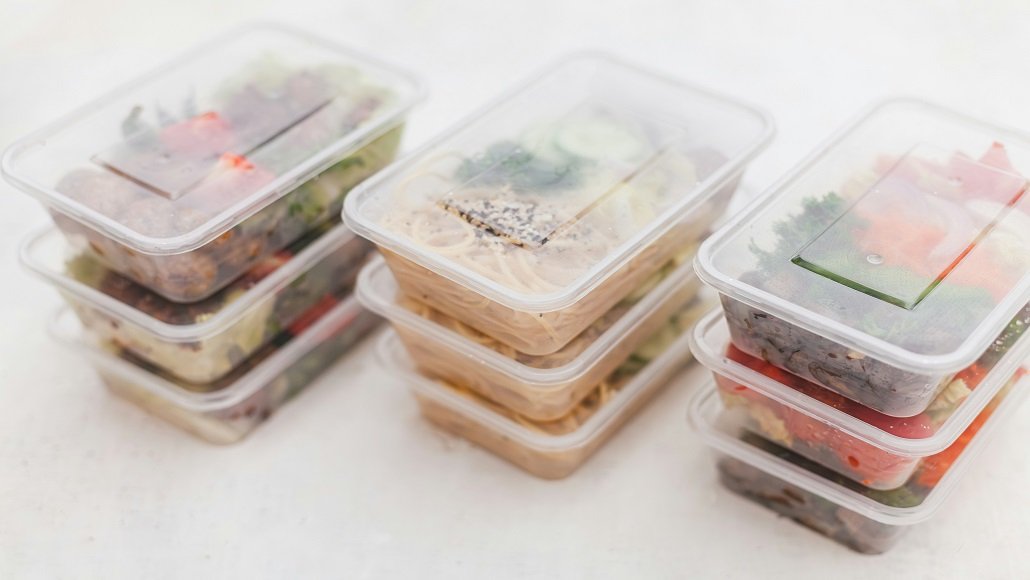
- Rigid Containers: Used for yogurt, deli items, and ready-to-eat meals, these containers offer excellent protection and resealability.
- Flexible Films: Ideal for snack foods, bakery items, and produce, films made from polypropylene provide a lightweight and cost-effective solution.
- Bags and Pouches: Flat-bottom and stand-up pouches are increasingly popular for dry goods, coffee, and pet food, offering convenience and extended shelf life.
- Trays and Lids: Used for fresh produce, meat, and bakery products, these items help maintain freshness and prevent contamination.
How Polypropylene Compares to Other Food Packaging Materials
When evaluating packaging options, it’s important to consider how polypropylene stacks up against alternatives like polyethylene, PET, and paper-based materials.
| Material | Moisture Barrier | Heat Resistance | Recyclability | Common Uses |
|---|---|---|---|---|
| Polypropylene (PP) | Excellent | High | Widely recyclable | Containers, films, pouches |
| Polyethylene (PE) | Good | Moderate | Widely recyclable | Bags, wraps |
| PET (Polyethylene Terephthalate) | Very good | Moderate | Widely recyclable | Bottles, trays |
| Paper-based | Poor (unless coated) | Low | Compostable/recyclable | Cartons, wraps |
As shown above, polypropylene food-safe packaging offers a strong balance of moisture protection, heat resistance, and recyclability, making it a preferred choice for many food brands.
Regulatory Standards and Certifications
Food packaging must comply with strict safety standards to ensure consumer protection. Polypropylene is recognized as safe for direct food contact by major regulatory agencies, provided it meets specific purity and manufacturing criteria. Manufacturers often seek certifications such as FDA compliance, EU food contact approval, and ISO standards to demonstrate their commitment to safety and quality.
For a comprehensive overview of food-safe packaging regulations and industry best practices, you can refer to this complete guide to food-safe packaging solutions.
Best Practices for Using Polypropylene in Food Packaging
To maximize the benefits of polypropylene, it’s important to follow best practices in design, storage, and handling:
- Choose the right grade of polypropylene for your specific food product and application.
- Ensure packaging is manufactured in facilities that follow Good Manufacturing Practices (GMP) and maintain traceability.
- Store polypropylene packaging in a clean, dry environment to prevent contamination before use.
- Clearly label packaging for recycling to support environmental initiatives.
- Test packaging for compatibility with your product, especially if it contains oils, acids, or other reactive substances.
Frequently Asked Questions
Is polypropylene safe for all types of food?
Yes, polypropylene is considered safe for direct contact with most food types, including dry, moist, and fatty foods. However, it’s important to use food-grade polypropylene that meets regulatory standards and is free from additives that could migrate into food.
Can polypropylene packaging be recycled?
Polypropylene is widely recyclable, and many curbside programs accept it. Look for recycling codes marked as “PP” or “#5” on packaging. Clean, empty containers are more likely to be recycled successfully.
How does polypropylene compare to biodegradable packaging?
While polypropylene is recyclable, it is not biodegradable. Biodegradable packaging breaks down naturally over time, but may lack the durability and barrier properties of polypropylene. The choice depends on your product requirements and sustainability goals.