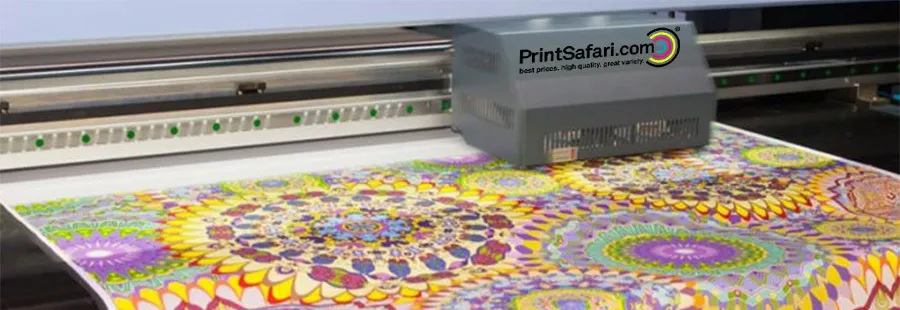
The world of printing is undergoing a significant transformation as artificial intelligence becomes an integral part of the production process. AI driven print optimization is rapidly changing how businesses approach quality control, resource management, and workflow efficiency. By leveraging data-driven insights and machine learning, print operations can achieve higher consistency, reduced waste, and faster turnaround times.
Whether you are involved in garment decoration, 3D printing, or large-scale commercial printing, understanding how AI can streamline your workflow is essential. This article explores the core concepts, practical benefits, and real-world applications of intelligent print optimization, helping you stay ahead in a competitive market.
For those interested in garment printing, exploring what is soft hand feel in garment printing can provide valuable context on how tactile quality and print optimization intersect.
Understanding the Role of AI in Print Production
Artificial intelligence is not just a buzzword in the print industry; it is a practical tool that addresses longstanding challenges. By analyzing vast amounts of production data, AI systems can identify inefficiencies, predict maintenance needs, and recommend adjustments in real time. This results in fewer errors and more consistent output.
In the context of AI driven print optimization, machine learning algorithms can monitor variables such as ink viscosity, substrate type, temperature, and print speed. These systems automatically fine-tune parameters to maintain optimal conditions, reducing the need for manual intervention and minimizing costly mistakes.
Key Benefits of Intelligent Print Optimization
Adopting AI-powered solutions in printing offers a range of tangible advantages:
- Higher Print Quality: Automated monitoring ensures color accuracy, sharpness, and consistency across batches.
- Reduced Material Waste: Predictive analytics help minimize overuse of ink, paper, or resin, leading to cost savings and sustainability.
- Faster Turnaround: Streamlined workflows and automated adjustments reduce downtime and speed up production cycles.
- Proactive Maintenance: AI can forecast equipment wear and schedule maintenance before breakdowns occur, preventing unexpected delays.
- Personalized Output: Intelligent systems can adapt print settings for custom jobs, supporting on-demand and short-run production models.
Applications Across Printing Technologies
The impact of AI driven print optimization spans several printing disciplines, from traditional offset and digital printing to advanced 3D fabrication.
3D Printing and Additive Manufacturing
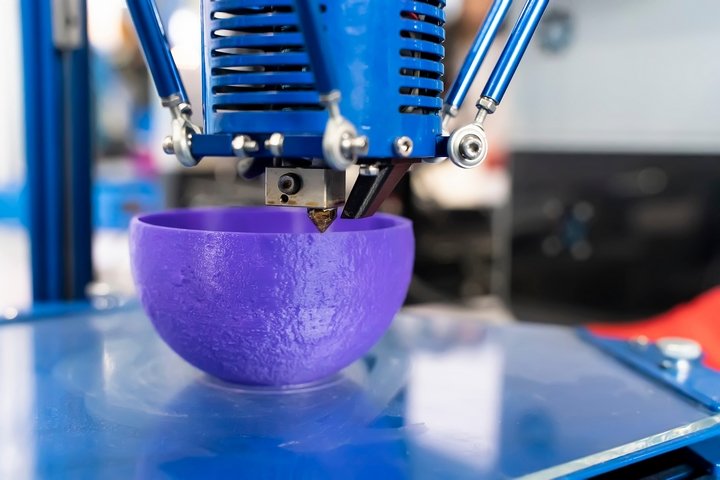
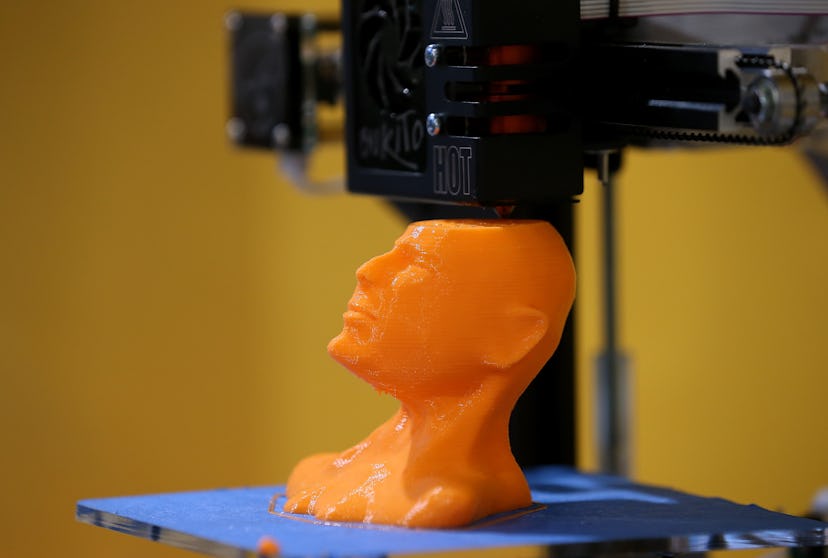
In 3D printing, AI algorithms analyze layer-by-layer data to detect anomalies, optimize print paths, and adjust extrusion rates. This leads to stronger, more precise parts and reduces the risk of failed prints. For more on 3D print workflows, see Autodesk’s overview of 3D printing solutions.
Garment and Textile Printing
AI-driven systems in garment printing can automatically adjust squeegee pressure, ink flow, and curing times based on fabric type and design complexity. This ensures a soft hand feel and vibrant colors, while reducing the risk of ghost images or misprints. For more on removing print artifacts, check out how to remove ghost images from printing screens.
Commercial and Industrial Printing
In high-volume environments, AI tools monitor print queues, manage job scheduling, and optimize resource allocation. This is especially valuable for micro-factory models and on-demand production, where efficiency and flexibility are critical. To learn about the advantages of these models, see the benefits of micro-factory models for fashion printing.
How AI-Enhanced Print Workflows Operate
The core of intelligent print optimization lies in continuous data collection and feedback. Sensors and cameras capture real-time information about each print job, feeding it to AI models that compare current performance against historical data and quality standards.
When deviations are detected—such as color drift, nozzle clogging, or substrate misalignment—the system can automatically pause production, alert operators, or make corrective adjustments on the fly. This closed-loop approach minimizes human error and maximizes output quality.
Challenges and Considerations in Adopting AI for Printing
While the advantages are substantial, integrating AI into print production is not without challenges. Initial setup can be complex, requiring investment in sensors, software, and staff training. Data privacy and security are also important, especially when handling customer designs or proprietary information.
Additionally, AI models are only as good as the data they receive. Consistent calibration and regular updates are necessary to maintain accuracy. Collaboration between print operators and technology providers is crucial for successful implementation.
Future Trends in Automated Print Optimization
The future of print production will be shaped by even deeper integration of artificial intelligence, cloud-based analytics, and IoT devices. Expect to see more autonomous print lines, predictive supply chain management, and real-time customer feedback loops.
As AI continues to evolve, it will enable greater personalization, faster prototyping, and more sustainable practices across all printing sectors. For small fashion labels, technologies like direct-to-film printing are already benefiting from these advancements—see more about the benefits of direct to film for small fashion labels.
FAQ: AI and Print Optimization
How does AI improve print quality and consistency?
AI systems monitor and analyze every stage of the print process, detecting deviations in real time. By automatically adjusting parameters such as ink flow, temperature, and alignment, AI ensures each print meets quality standards, reducing the likelihood of defects and reprints.
Can AI-driven solutions help reduce printing costs?
Yes, intelligent print optimization minimizes material waste, reduces downtime, and prevents costly errors. Predictive maintenance and efficient job scheduling also contribute to lower operational expenses, making AI a valuable investment for print businesses of all sizes.
Is it difficult to implement AI in existing print workflows?
Integration can require upfront investment in hardware and training, but many modern AI solutions are designed to retrofit existing equipment. Partnering with experienced providers and starting with pilot projects can help ease the transition and demonstrate quick returns.
What types of printing benefit most from AI optimization?
All forms of printing—3D, garment, commercial, and industrial—can benefit from AI-driven improvements. The most significant gains are often seen in high-volume or highly customized environments, where efficiency and quality control are paramount.
Conclusion
Embracing AI driven print optimization is no longer optional for businesses aiming to stay competitive. By automating quality control, reducing waste, and enabling smarter workflows, AI empowers print professionals to deliver better results with less effort. As technology continues to advance, those who invest in intelligent optimization will be best positioned to meet the demands of modern customers and markets.
For those comparing decoration methods, see this helpful guide on what is embroidery vs printing for brand logos to understand how print optimization can influence branding choices.