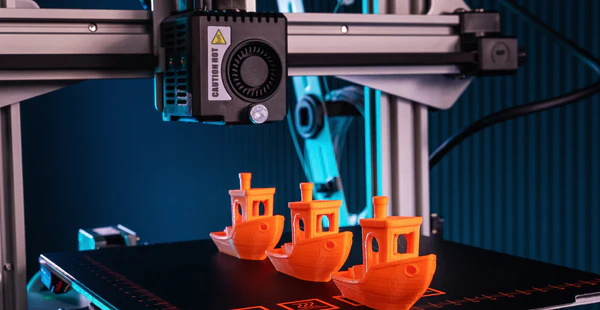
The world of 3D printing has rapidly evolved from a niche technology to a transformative force across multiple sectors. As additive manufacturing becomes more accessible and affordable, it is opening up a wide range of career opportunities in 3D printing for professionals with diverse backgrounds. Whether you are a recent graduate, an engineer, a designer, or someone looking to pivot into a high-growth field, understanding the current job landscape and future prospects in this industry is essential.
This article explores the expanding job market, key roles, required skills, and the overall outlook for those interested in pursuing a path in additive manufacturing. For those curious about related printing technologies in fashion and textiles, you may also find value in learning about what is soft hand feel in garment printing and how it intersects with modern production methods.
Industry Growth and Demand for Additive Manufacturing Professionals
The additive manufacturing sector is experiencing significant expansion. According to industry reports, the global 3D printing market is projected to reach over $50 billion by 2030, driven by advancements in materials, printer technology, and software. This surge is creating a robust demand for skilled professionals who can design, operate, and optimize 3D printing systems.
Companies in aerospace, automotive, healthcare, consumer goods, and even fashion are integrating 3D printing into their workflows. As a result, the need for experts in this space is higher than ever. The rise of micro-factory models and on-demand production is also fueling job creation, as discussed in resources like the benefits of micro-factory models for fashion printing.
Key Career Paths in 3D Printing
There are numerous roles available for those interested in pursuing a profession in additive manufacturing. Below are some of the most sought-after positions:
- 3D Design Engineer: Responsible for creating digital models using CAD software, these professionals ensure that designs are optimized for the printing process and material constraints.
- Machine Operator/Technician: These specialists set up, maintain, and troubleshoot 3D printers. They are essential for ensuring smooth production and minimizing downtime.
- Materials Scientist: Experts in this role develop and test new printing materials, such as polymers, metals, and composites, to expand the range of applications for additive manufacturing.
- Application Engineer: These professionals bridge the gap between customers and technology, helping clients implement 3D printing solutions tailored to their needs.
- Quality Assurance Specialist: Ensuring the accuracy and reliability of printed parts, QA specialists are vital in regulated industries like aerospace and healthcare.
- Sales and Business Development: As the industry grows, there is a need for professionals who can educate clients, sell equipment, and develop new business opportunities.
Essential Skills for Success in the 3D Printing Sector
To thrive in this field, candidates should possess a blend of technical and soft skills. Some of the most valuable competencies include:
- CAD Proficiency: Mastery of computer-aided design tools is fundamental for most technical roles.
- Understanding of Materials: Knowledge of how different materials behave during the printing process is crucial for both design and production roles.
- Problem-Solving: The ability to troubleshoot equipment and process issues is highly valued.
- Attention to Detail: Precision is key, especially when producing parts for industries with strict quality standards.
- Communication: Explaining complex concepts to clients, team members, or stakeholders is often required.
Emerging Sectors and New Job Roles
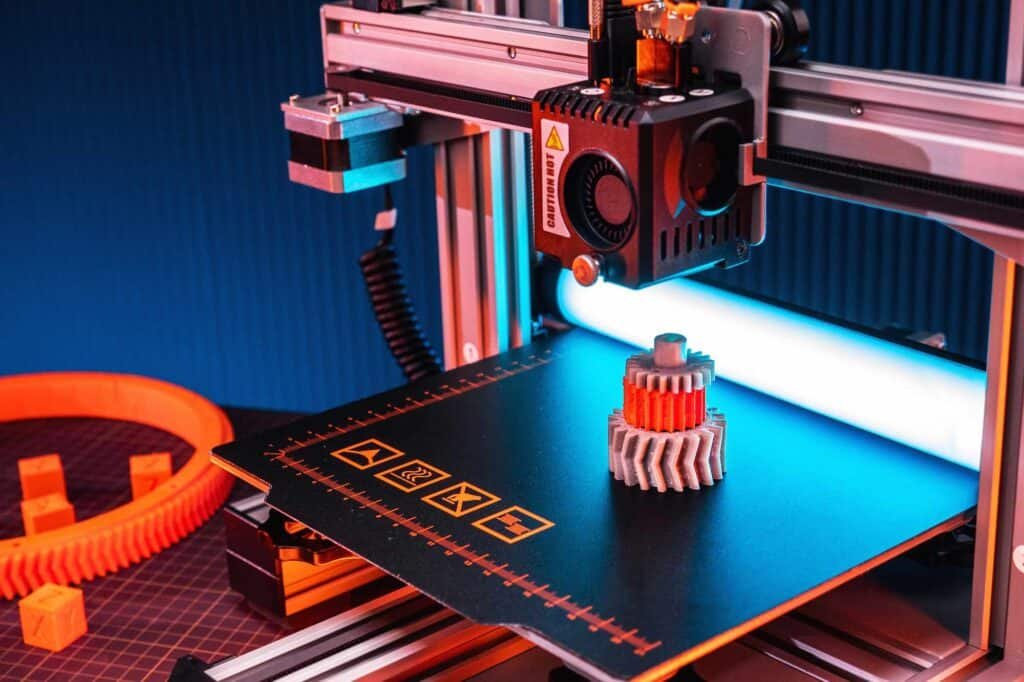
As additive manufacturing matures, new sectors are adopting the technology and creating specialized roles. For example, the medical field is increasingly using 3D printing for prosthetics, implants, and surgical planning models. This has led to demand for biomedical engineers and regulatory specialists who understand both medical requirements and additive processes.
In the fashion and textile industry, designers are leveraging 3D printing for rapid prototyping and custom accessories. If you’re interested in how these innovations impact small businesses, the benefits of direct to film for small fashion labels offer additional insights into evolving production techniques.
Additionally, the rise of sustainable manufacturing is opening positions focused on recycling, eco-friendly materials, and circular economy strategies within the 3D printing ecosystem.
How to Get Started in Additive Manufacturing
Breaking into this field often starts with education and hands-on experience. Many universities and technical schools now offer courses or degrees related to additive manufacturing, engineering, or industrial design. Online platforms and certification programs can also help you build foundational knowledge.
Gaining practical experience is equally important. Entry-level roles such as 3D printer operator or junior designer provide exposure to the technology and can serve as stepping stones to more advanced positions. Participating in maker spaces, industry events, and online communities can further expand your network and skill set.
Industry Outlook and Future Trends
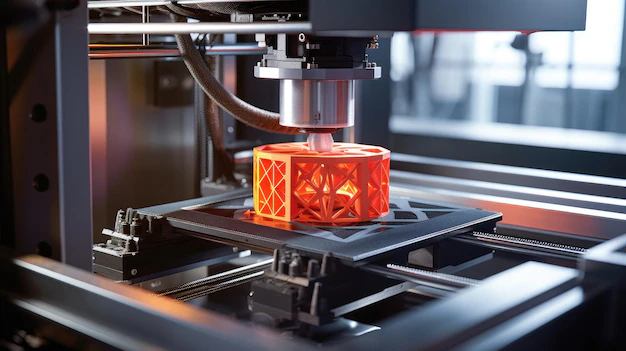
The future of career opportunities in 3D printing looks promising. As technology advances, the range of printable materials and the precision of finished products continue to improve. Automation, artificial intelligence, and cloud-based design tools are expected to further streamline workflows and create new job categories.
Companies are also investing in larger-scale production, which will require more professionals skilled in process optimization, supply chain management, and quality control. For those interested in the intersection of branding and printing, exploring what is embroidery vs printing for brand logos can provide additional context on how additive manufacturing is influencing traditional industries.
For a look at the latest hardware and solutions, platforms like Formlabs’ 3D printer portfolio showcase the diversity of machines available for different applications.
FAQ: Careers and Industry Insights in 3D Printing
What qualifications are needed to work in 3D printing?
Most technical roles require a background in engineering, industrial design, or materials science. Proficiency in CAD software and hands-on experience with 3D printers are highly valued. Certifications and specialized training can also enhance your job prospects.
Which industries are hiring the most 3D printing professionals?
Aerospace, automotive, healthcare, consumer goods, and fashion are among the leading sectors adopting additive manufacturing. Each industry offers unique roles, from design and prototyping to production and quality assurance.
Is there room for career growth in this field?
Absolutely. As the technology matures and adoption widens, new roles and specializations are emerging. Professionals who stay updated on the latest trends and continuously develop their skills will find ample opportunities for advancement.
How does 3D printing compare to other printing technologies?
Additive manufacturing differs from traditional methods by building objects layer by layer, allowing for greater customization and reduced waste. For those interested in garment and textile printing, learning about how to remove ghost images from printing screens can provide insights into other innovative printing solutions.
As additive manufacturing continues to reshape industries, those who invest in learning and adapting to new technologies will be well-positioned for a successful and rewarding career.