Large format 3D printing is transforming how industries approach prototyping, manufacturing, and even end-use production. By enabling the creation of objects far larger than those possible with standard desktop printers, this technology opens new doors for designers, engineers, and manufacturers. From architectural models to automotive components and art installations, the ability to print at scale is reshaping workflows and expanding creative possibilities.
As this technology matures, understanding the core techniques, compatible materials, and real-world applications becomes essential for businesses and individuals considering its adoption. This article explores the fundamentals of large-scale additive manufacturing, highlights its advantages and challenges, and provides practical insights for those interested in leveraging its capabilities.
For those interested in exploring related printing innovations, you might also find value in learning about the benefits of micro-factory models for fashion printing, which offer flexible production solutions in the textile industry.
What Sets Large-Scale 3D Printing Apart?
Unlike traditional desktop 3D printers, which typically have build volumes under 300mm in any direction, large format machines can produce parts measured in meters. This capability is not just about size; it also involves specialized hardware, advanced motion systems, and robust materials designed to handle the stresses of printing at scale.
The main advantages include:
- Production of single-piece, large objects without the need for assembly.
- Reduced lead times for prototypes and functional parts.
- Cost savings on tooling and molds for short-run or custom manufacturing.
Core Techniques in Large Format Additive Manufacturing
Several printing methods have been adapted for large-scale applications. The most common techniques include:
Fused Deposition Modeling (FDM) at Scale
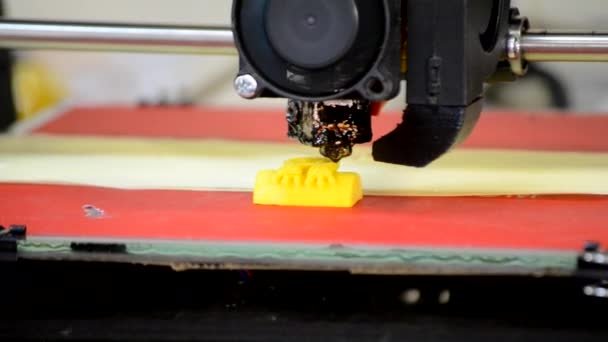
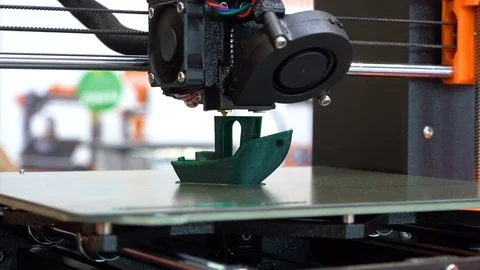
FDM is the most widely used approach for large format 3D printing. Industrial FDM printers use oversized extruders and reinforced frames to deposit thermoplastic filaments layer by layer. These machines often feature heated build chambers and advanced motion control to ensure consistent results across big prints.
Resin-Based Processes for Large Objects
While less common, some manufacturers have developed resin-based systems (such as SLA or DLP) with expanded build volumes. These are ideal for applications requiring fine detail and smooth surfaces, though they often come with higher material costs and slower print speeds compared to FDM.
Other Advanced Methods
Techniques like direct energy deposition and binder jetting are also being scaled up for industrial use, particularly in aerospace and automotive sectors. These methods allow for the use of metals, ceramics, and composite materials, further broadening the range of possible applications.
Material Choices for Large-Scale Printing
The choice of material is crucial for successful large format 3D printing. Common options include:
- Thermoplastics such as PLA, ABS, PETG, and high-performance polymers like PEI and PEEK.
- Composite filaments reinforced with carbon fiber or glass fiber for added strength.
- Resins for large SLA/DLP printers, offering excellent detail and surface finish.
- Metals and ceramics via specialized industrial systems.
Material selection depends on the intended use, required mechanical properties, and environmental conditions. For example, outdoor installations may require UV-resistant polymers, while automotive prototypes might benefit from reinforced composites.

Key Applications Across Industries
The impact of large-scale 3D printing is evident in a variety of sectors:
- Architecture: Creation of building models, façade prototypes, and even full-scale construction components.
- Automotive: Rapid prototyping of vehicle parts, custom jigs, and fixtures.
- Aerospace: Production of lightweight, complex structures not possible with traditional manufacturing.
- Art and Design: Large sculptures, installations, and functional art pieces.
- Industrial Manufacturing: Tooling, molds, and end-use parts for small-batch production.
These applications highlight the flexibility and efficiency that large format solutions bring to modern manufacturing and design processes.
Challenges and Considerations
While the benefits are significant, there are also challenges to consider:
- Cost: Industrial-scale printers and materials can require substantial investment.
- Print Time: Larger objects naturally take longer to produce, sometimes spanning days.
- Warping and Layer Adhesion: Managing thermal stresses and ensuring consistent quality across large prints is more complex than with smaller objects.
- Post-Processing: Large prints may need additional finishing, assembly, or reinforcement.
Proper planning, machine calibration, and material selection are essential to address these hurdles effectively.
Design Tips for Successful Large-Scale Prints
To maximize the potential of large format 3D printing, keep these practical tips in mind:
- Optimize part orientation to minimize support structures and reduce print time.
- Segment oversized designs into modular components if they exceed your printer’s build volume.
- Use infill strategically to balance strength and material usage.
- Test with scaled-down prototypes before committing to full-size prints.
Leveraging professional design software, such as those offered by Autodesk’s 3D printing solutions, can help streamline the process from concept to finished part.
Frequently Asked Questions
What is the largest object that can be 3D printed?
The maximum size depends on the specific printer’s build volume. Some industrial machines can print objects several meters in length, while custom-built systems for construction or aerospace can handle even larger dimensions.
Which materials are best for large-scale 3D printing?
Thermoplastics like PLA, ABS, and PETG are commonly used, but high-performance polymers, composites, and even metals are available for specialized applications. The best choice depends on the part’s intended use and required properties.
How does large format 3D printing compare to traditional manufacturing?
Additive manufacturing at scale offers faster prototyping, reduced tooling costs, and greater design flexibility. However, it may not always match the speed or unit cost of mass production methods for very high volumes.
Conclusion
The evolution of large format 3D printing is enabling new possibilities across industries, from architecture to manufacturing and beyond. By understanding the available techniques, material options, and practical considerations, businesses and creators can harness this technology to innovate and streamline their production processes. As hardware and materials continue to advance, the potential applications and benefits of large-scale additive manufacturing will only expand.