As the demand for sustainable and hygienic solutions in the food industry grows, paper food-safe packaging has become a preferred choice for businesses and consumers alike. This type of packaging is designed to protect food from contamination, maintain freshness, and comply with safety standards, all while being environmentally responsible. Understanding the materials, certifications, and best practices behind these packaging options is essential for anyone involved in food production, retail, or delivery.
Whether you run a restaurant, manage a food delivery service, or simply want to make informed choices as a consumer, knowing how paper-based containers and wraps are made safe for food contact is crucial. In this guide, we’ll break down the key aspects of food-safe paper packaging, including its benefits, types, and how to ensure compliance with regulations. For those interested in related topics on materials and printing, you may also find value in learning about what is soft hand feel in garment printing and how it impacts product quality.
Understanding Food-Grade Paper Packaging
Not all paper is suitable for direct contact with food. Food-grade paper packaging is manufactured under strict guidelines to ensure it does not transfer harmful substances to the food it contains. This involves using virgin fibers or recycled materials that have been thoroughly cleaned and tested for contaminants. The paper may be coated with food-safe substances such as polyethylene, wax, or biodegradable alternatives to enhance moisture resistance and prevent grease or oil from seeping through.
The process of making paper suitable for food contact also involves rigorous testing for chemical migration, odor, and taste transfer. Only materials that pass these tests receive certification as food-safe, ensuring the end product is both hygienic and reliable.
Key Benefits of Using Paper-Based Food Packaging
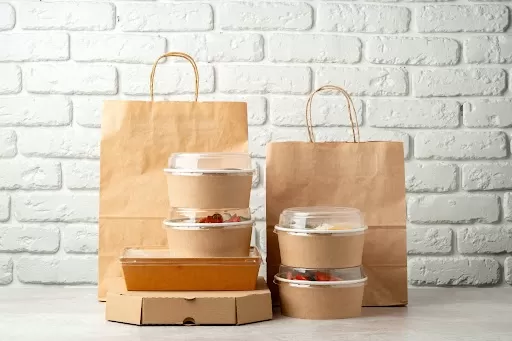
There are several advantages to choosing paper food-safe packaging over plastic or other materials:
- Environmental Sustainability: Paper is renewable, biodegradable, and often recyclable, making it a responsible choice for businesses aiming to reduce their environmental impact.
- Consumer Safety: Certified food-safe paper minimizes the risk of chemical contamination, supporting public health and regulatory compliance.
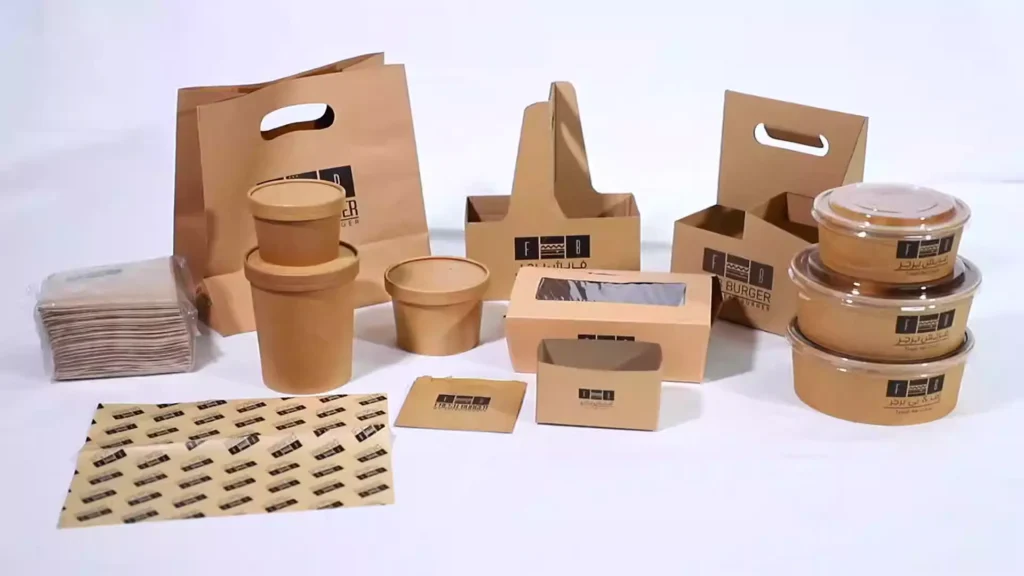
- Versatility: Paper packaging comes in various forms, including boxes, wraps, cups, and trays, suitable for a wide range of food products.
- Branding Opportunities: High-quality printing on paper allows for attractive branding and clear labeling, which can enhance customer perception and trust.
Types of Paper Packaging for Food Safety
The world of paper food-safe packaging includes several common types, each tailored to specific uses and food categories:
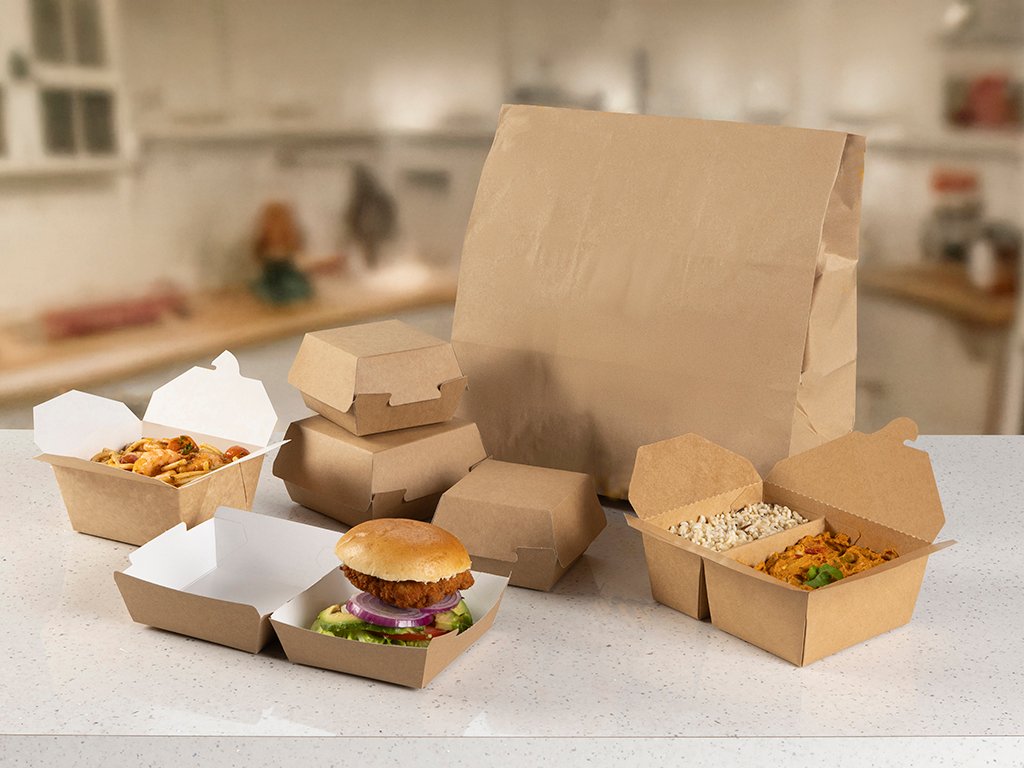
- Kraft Paper: Known for its strength and natural appearance, kraft paper is often used for takeout bags, sandwich wraps, and bakery boxes.
- Greaseproof Paper: Treated to resist oils and moisture, this type is ideal for pastries, fried foods, and snacks.
- Waxed Paper: Coated with a thin layer of wax, it provides an additional barrier against moisture and is commonly used for deli meats and cheeses.
- Corrugated Paperboard: Used for pizza boxes and meal trays, this material offers insulation and structural support for heavier items.
- Compostable and Biodegradable Options: Increasingly popular, these papers are made with plant-based coatings or additives that break down naturally after use.
Certifications and Regulations for Food-Safe Paper
Ensuring that paper packaging is safe for food contact involves compliance with national and international standards. In many regions, regulatory bodies such as the U.S. Food and Drug Administration (FDA) or the European Food Safety Authority (EFSA) set strict guidelines for materials and manufacturing processes. Look for certifications such as:
- FDA Approval: Indicates compliance with U.S. regulations for food contact materials.
- EN 13432: Certifies compostability in Europe, ensuring the material breaks down safely in industrial composting facilities.
- ISO Standards: International benchmarks for quality and safety in packaging production.
Businesses should always request documentation from suppliers to verify that their packaging meets these standards. For a deeper dive into the topic, the article on what makes packaging food-safe and food-grade offers valuable insights into certifications and compliance.
Best Practices for Selecting and Using Food-Safe Paper Packaging
To maximize the benefits of paper-based packaging for food, consider the following best practices:
- Assess Product Needs: Choose the type of paper and coating based on the specific food item—moisture, grease, and temperature requirements all play a role.
- Verify Certifications: Always confirm that your supplier provides certified food-safe materials and maintains traceability in their supply chain.
- Proper Storage: Store packaging in a clean, dry environment to prevent contamination before use.
- Educate Staff: Train employees on proper handling and storage of packaging to maintain food safety standards.
- Consider End-of-Life: Opt for recyclable or compostable options whenever possible to support sustainability goals.
Common Challenges and Solutions in Food-Safe Paper Packaging
While paper is an excellent choice for many food applications, it does come with challenges. Moisture resistance, for example, can be an issue for certain foods. Advances in coatings and multilayer technologies have addressed many of these concerns, allowing for safe use with a broader range of products. Additionally, balancing sustainability with performance is an ongoing process, as manufacturers seek to reduce plastic content without compromising food safety.
Staying informed about new materials and evolving regulations is essential for businesses that want to remain compliant and competitive in the market.
FAQ
What makes paper packaging safe for food contact?
Paper packaging is considered safe for food when it is made from approved materials, processed under hygienic conditions, and coated or treated with food-grade substances. It must pass tests for chemical migration, odor, and taste transfer to ensure it does not affect the food’s quality or safety.
Can all paper packaging be recycled or composted?
Not all paper packaging is automatically recyclable or compostable. Some coatings or additives may limit recyclability. Look for certifications or labels indicating that the packaging is suitable for recycling or composting, and always follow local waste management guidelines.
How do I know if my supplier’s packaging is food-safe?
Request documentation such as FDA approval, EN 13432 certification, or other recognized standards. Reputable suppliers should provide clear evidence of compliance and be transparent about their manufacturing processes.