As the demand for eco-friendly packaging continues to grow, businesses and consumers alike are turning to kraft paper food-safe packaging as a sustainable solution for storing and transporting food. This type of packaging is valued for its natural appearance, biodegradability, and ability to protect food products without introducing harmful chemicals. Understanding what makes kraft paper suitable for food contact, how it’s manufactured, and its advantages over other materials can help you make informed choices for your food business or personal use.
If you’re interested in learning about other materials and techniques used in the printing and packaging industry, you might also find our guide on what is soft hand feel in garment printing helpful.
What Makes Kraft Paper Suitable for Food Packaging?
Not all paper is created equal when it comes to direct food contact. Kraft paper food-safe packaging is manufactured using a special process that ensures it is free from contaminants and chemicals that could leach into food. The term “kraft” refers to the German word for “strength,” and the kraft process uses wood pulp that is chemically treated to remove lignin, leaving behind strong, long cellulose fibers.
For food applications, kraft paper is typically unbleached, which means it retains its natural brown color and avoids the use of chlorine-based bleaching agents. This minimizes the risk of chemical residues and makes the paper safer for wrapping or containing food products. In addition, food-grade kraft paper often undergoes extra testing and certification to ensure it meets regulatory standards for food safety.
Key Benefits of Choosing Kraft Paper for Food-Safe Applications
There are several reasons why businesses and consumers prefer kraft paper food-safe packaging over plastic or other materials:
- Biodegradability: Kraft paper is compostable and breaks down naturally, reducing landfill waste.
- Renewable Resource: Made from wood pulp, kraft paper is sourced from trees, which can be replanted and managed sustainably.
- Minimal Chemical Additives: Food-grade kraft paper is produced with fewer chemicals, making it safer for food contact.
- Strength and Durability: The kraft process yields a strong paper that resists tearing and can handle greasy or moist foods when properly coated.
- Versatility: Kraft paper can be used for bags, wraps, boxes, and liners for a wide range of food products.
How Food-Grade Kraft Paper Is Manufactured
The journey from tree to food-safe packaging involves several steps designed to ensure safety and quality. First, wood chips are pulped using the kraft process, which separates cellulose fibers from lignin and other components. The resulting pulp is washed and screened to remove impurities.
For food contact, the paper is often left unbleached or bleached using safe, non-chlorine agents. During the final stages, the paper may be coated with a thin layer of food-safe wax or biodegradable film to enhance moisture and grease resistance. Each batch is tested for contaminants and must comply with food safety regulations set by authorities such as the FDA or the European Food Safety Authority.
Common Uses for Kraft Paper in the Food Industry
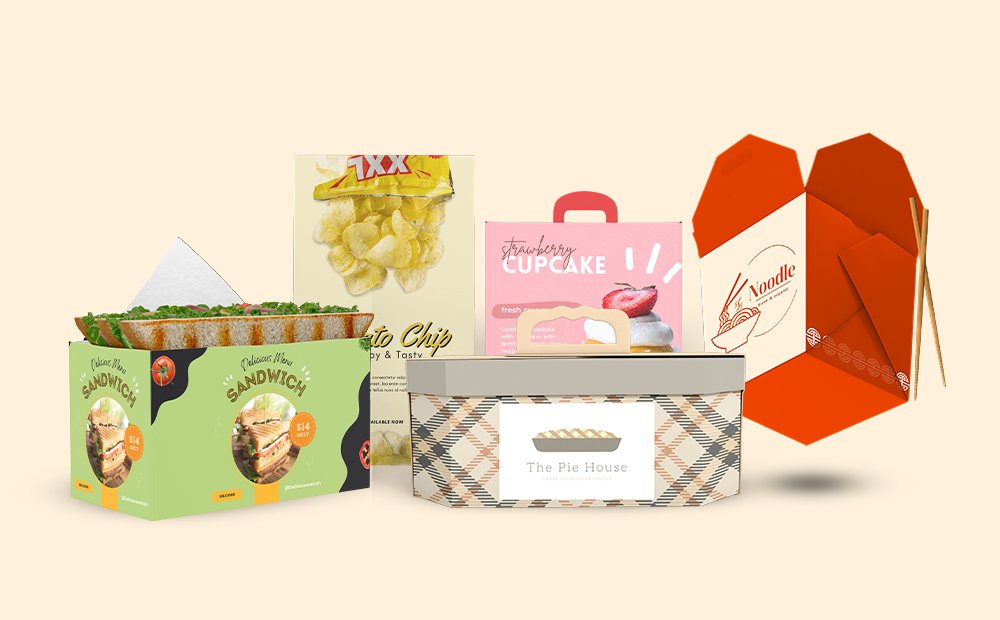
Kraft paper food-safe packaging is used in a variety of settings, from small bakeries to large food service operations. Some typical applications include:
- Sandwich wraps and deli paper
- Bakery bags and bread sleeves
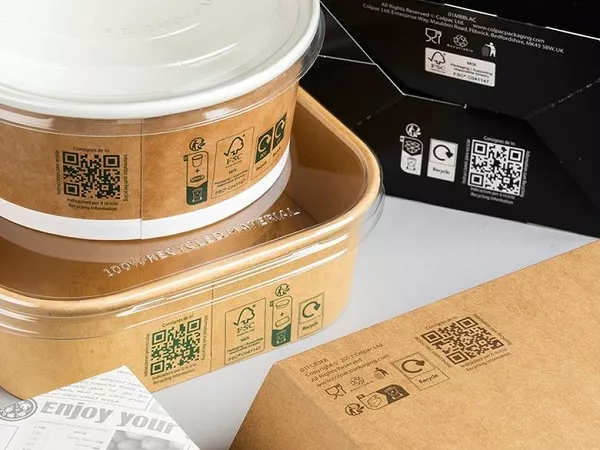
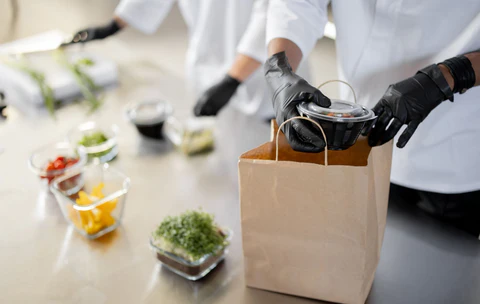
- Takeout boxes and food trays
- Produce bags for fruits and vegetables
- Liners for baskets and trays
- Custom-printed packaging for branding
Certifications and Food Safety Standards
When selecting packaging for food, it’s important to look for certifications that indicate compliance with food safety standards. Many manufacturers of kraft paper packaging obtain certifications such as FSC (Forest Stewardship Council) for responsible sourcing and FDA approval for food contact safety. These certifications provide assurance that the packaging is free from harmful substances and safe for direct contact with food.
For a deeper dive into the safety and environmental impact of food packaging materials, you can refer to this comprehensive scientific review of food packaging and food safety.
Environmental Impact and Sustainability
One of the main attractions of kraft paper as a packaging material is its minimal environmental footprint. Unlike plastics, which can persist in the environment for centuries, kraft paper is biodegradable and compostable. When responsibly sourced, it supports sustainable forestry practices and helps reduce the reliance on fossil-fuel-based materials.
Many food businesses are switching to kraft paper options as part of their sustainability initiatives. This shift not only appeals to environmentally conscious consumers but also helps companies comply with regulations aimed at reducing single-use plastics.
Comparing Kraft Paper to Other Food Packaging Materials
While kraft paper offers many benefits, it’s important to consider how it compares to other packaging materials:
| Material | Food Safety | Environmental Impact | Common Uses |
|---|---|---|---|
| Kraft Paper | Excellent (when food-grade) | Biodegradable, compostable | Wraps, bags, boxes, liners |
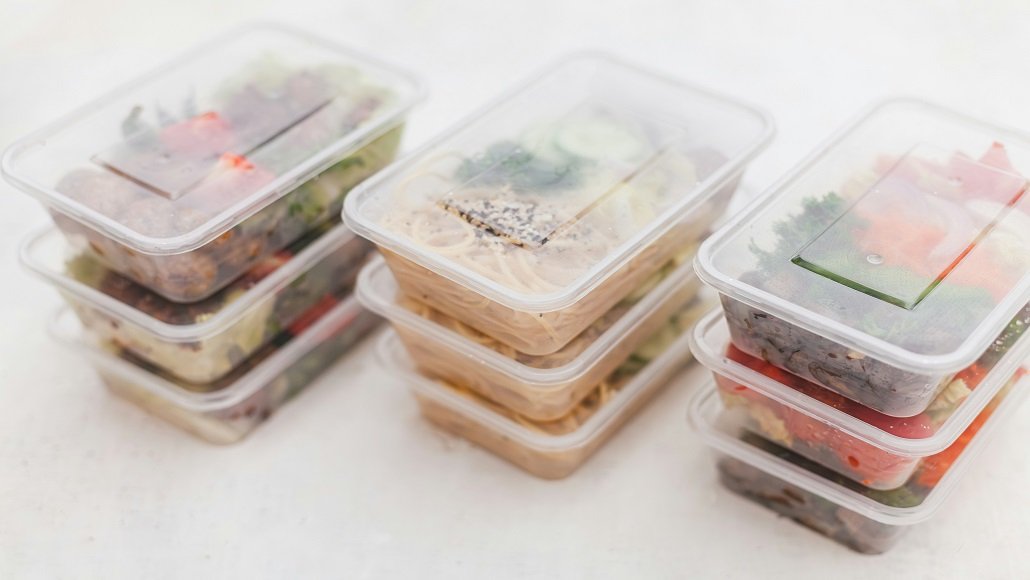
| Plastic | Good (if food-grade) | Non-biodegradable, recyclable (varies) | Containers, wraps, bottles |
| Aluminum | Excellent | Recyclable, energy-intensive | Foil wraps, trays, lids |
| Glass | Excellent | Reusable, recyclable | Jars, bottles |
Printing and Customization Options
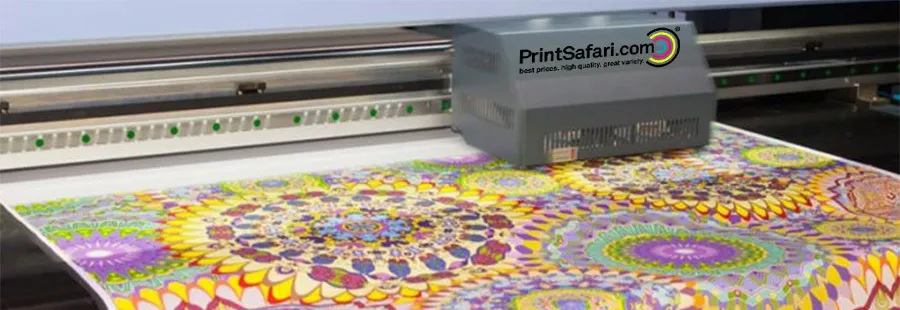
One of the advantages of kraft paper is its suitability for custom printing, which allows businesses to reinforce their brand identity. Modern printing techniques can apply logos, product information, and decorative designs directly onto kraft paper packaging without compromising food safety. Water-based inks and food-safe adhesives are commonly used to ensure compliance with regulations.
If you’re interested in exploring how printing can enhance your packaging, you may also want to read about the benefits of micro-factory models for fashion printing, which highlights the flexibility and efficiency of small-scale production.
Frequently Asked Questions
Is all kraft paper safe for food contact?
No, only kraft paper that is specifically labeled as food-grade or food-safe is suitable for direct food contact. Food-grade kraft paper is manufactured and tested to meet safety standards, ensuring it is free from harmful chemicals and contaminants.
Can kraft paper packaging be composted at home?
Yes, most uncoated kraft paper packaging can be composted in home compost bins. However, if the paper is coated with plastic or other non-biodegradable materials, it may not break down properly. Always check the packaging for compostability information.
What types of foods are best suited for kraft paper packaging?
Kraft paper is ideal for dry or slightly moist foods such as sandwiches, baked goods, produce, and snacks. For greasy or very moist foods, look for kraft paper with a food-safe grease-resistant or moisture-resistant coating.
How does kraft paper compare to plastic in terms of food preservation?
While kraft paper is excellent for short-term storage and presentation, plastic often provides a better barrier against moisture and air, making it more suitable for long-term preservation. However, kraft paper is preferred for its sustainability and minimal environmental impact.