The safety and quality of snack foods depend heavily on the materials and methods used to package them. As consumers become more aware of health and environmental concerns, the demand for food-safe packaging for snacks has never been higher. This guide explores what makes packaging safe for food, the materials commonly used, and how brands can ensure their snacks reach customers fresh and uncontaminated.
Whether you’re a snack manufacturer, a small business owner, or simply curious about how your favorite treats stay fresh, understanding the essentials of packaging safety is crucial. Along the way, we’ll also touch on related topics such as how packaging impacts branding and sustainability, and point you to further resources for deeper learning.
Packaging not only protects snacks from physical damage and contamination, but also plays a role in how consumers perceive a brand. If you’re interested in how tactile qualities influence product appeal, you might also want to explore what is soft hand feel in garment printing for insights into material choices and consumer experience.
Understanding the Importance of Snack Packaging Safety
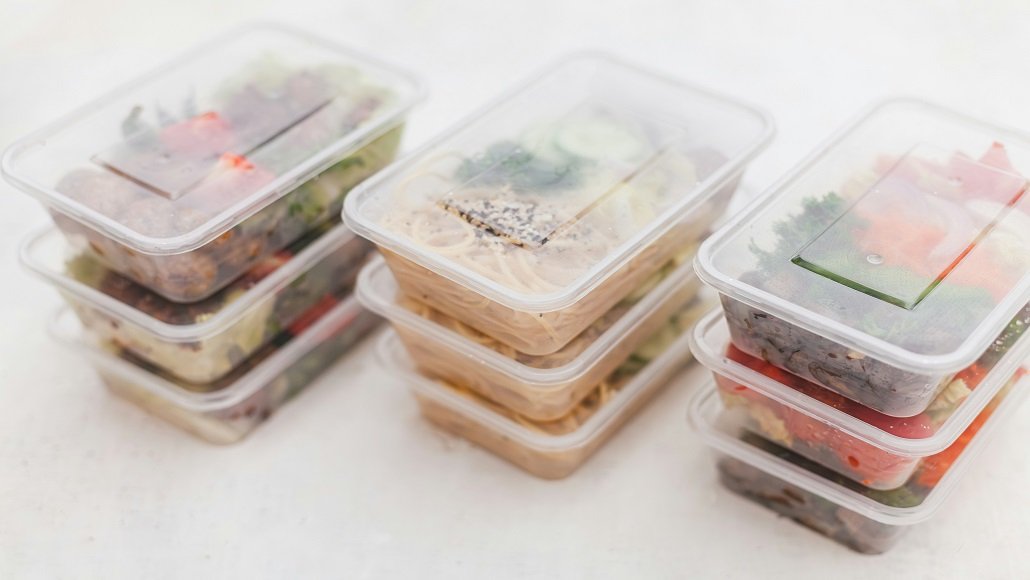
The primary purpose of any food container is to keep its contents safe for consumption. For snacks, this means preventing exposure to contaminants, moisture, and air, all of which can compromise freshness and safety. Food-safe packaging for snacks is designed to meet strict regulatory standards, ensuring that no harmful chemicals migrate from the packaging into the food.
In addition to regulatory compliance, packaging must also withstand the rigors of transportation and storage. It should be durable, tamper-evident, and easy to open without compromising the integrity of the snack inside.
Key Materials Used in Safe Snack Packaging
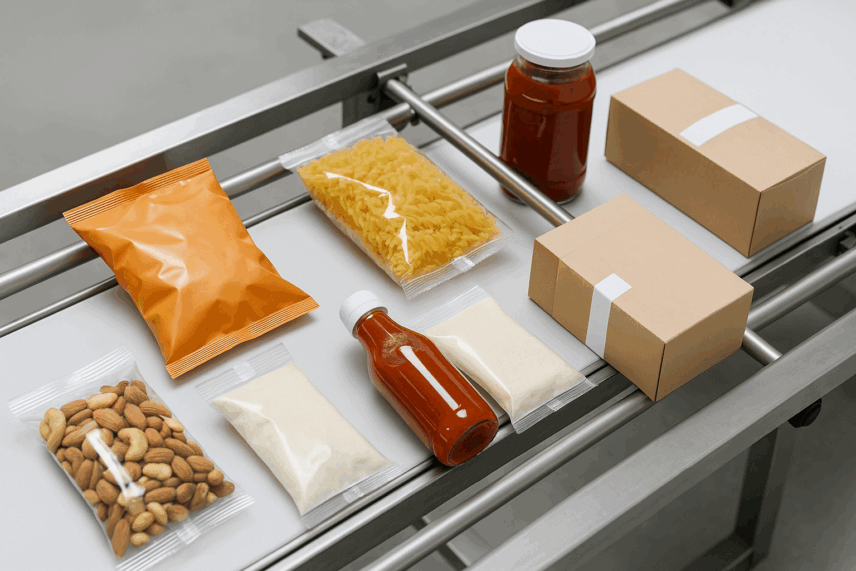
Choosing the right material is essential for maintaining snack quality. Here are some of the most common options:
- Plastic Films: Widely used for chips, nuts, and granola bars, plastic films provide a barrier against moisture and oxygen. Food-grade plastics such as polyethylene (PE) and polypropylene (PP) are popular due to their safety and flexibility.
- Papers and Cardboards: Often used for dry snacks like crackers and cookies, these materials are typically coated or lined with food-safe substances to prevent grease and moisture penetration.
- Metal Foils: Aluminum foil is excellent for products that require a high barrier to light, air, and moisture, such as chocolate or certain baked goods.
- Biodegradable and Compostable Materials: As sustainability becomes more important, many brands are turning to plant-based plastics, cellulose films, and compostable papers that are certified safe for food contact.
Regulations and Certifications for Snack Packaging
Ensuring packaging is safe for food contact involves meeting various national and international standards. In the United States, the Food and Drug Administration (FDA) regulates materials that come into contact with food. In Europe, the European Food Safety Authority (EFSA) sets similar guidelines.
Look for certifications such as:
- FDA Approval: Indicates the material is safe for direct food contact.
- BPA-Free: Ensures that the packaging does not contain bisphenol A, a chemical of concern in plastics.
- Compostable or Biodegradable Certifications: Such as ASTM D6400 or EN 13432, which confirm that the material breaks down safely in composting environments.
For a deeper dive into what makes packaging safe, this overview of food-safe packaging standards provides a comprehensive look at industry requirements and best practices.
How Packaging Protects Snack Freshness and Flavor
The right packaging preserves the taste, texture, and aroma of snacks. Barriers to oxygen and moisture are especially important for products like chips and crackers, which can quickly become stale if exposed to air. Resealable closures, vacuum sealing, and inert gas flushing are common techniques used to extend shelf life.
For snacks with strong flavors or aromas, such as spicy nuts or cheese-flavored crackers, odor barriers prevent cross-contamination with other foods and help maintain the intended sensory experience.

Trends in Sustainable and Eco-Friendly Snack Packaging
As environmental awareness grows, snack brands are seeking alternatives to traditional plastics. Compostable bags, recyclable paperboard boxes, and reusable containers are gaining popularity. However, these materials must still meet the same safety standards as conventional options.
Brands that successfully combine sustainability with food safety can appeal to eco-conscious consumers while maintaining product quality. Transparent labeling about packaging materials and disposal instructions helps build trust and encourages responsible consumer behavior.
Branding and Consumer Perception in Snack Packaging
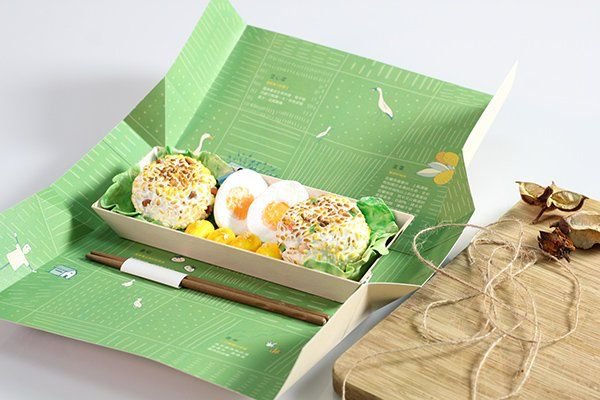
Beyond safety, packaging serves as a powerful branding tool. Eye-catching designs, clear labeling, and tactile finishes can set a product apart on the shelf. For example, a matte or soft-touch finish can make a package feel premium, while window cutouts allow customers to see the product inside.
The connection between packaging and brand perception is similar to how garment printing techniques influence fashion branding. If you’re interested in how production methods affect perceived quality, you might find value in reading about the benefits of micro-factory models for fashion printing.
Common Challenges and Solutions in Snack Packaging
Snack producers face several challenges, including balancing cost, sustainability, and regulatory compliance. Some common issues include:
- Migration of Chemicals: Using certified food-grade materials and regular testing can prevent unwanted substances from leaching into snacks.
- Maintaining Freshness: Advanced barrier technologies and resealable features help extend shelf life and reduce food waste.
- Consumer Convenience: Easy-open features and portion-controlled packaging improve user experience and encourage repeat purchases.
Frequently Asked Questions
What does “food-safe” mean in snack packaging?
“Food-safe” refers to packaging materials and processes that have been tested and certified to not release harmful chemicals or contaminants into food. These materials comply with regulations set by agencies like the FDA or EFSA, ensuring that snacks remain safe for consumption throughout their shelf life.
How can I tell if snack packaging is safe?
Look for certifications such as FDA approval, BPA-free labeling, or compostable standards. Reputable brands will often include this information on their packaging or product descriptions. If in doubt, check the manufacturer’s website or contact customer service for details about their packaging materials.
Are eco-friendly snack packages as safe as traditional ones?
Yes, as long as they are certified for food contact. Sustainable options like compostable bags or recyclable papers must still meet the same safety standards as conventional packaging. Always look for third-party certifications to ensure both safety and environmental responsibility.