As industries seek more sustainable ways to produce goods, reducing waste with 3D printing has emerged as a practical solution for modern manufacturing. Additive manufacturing, commonly known as 3D printing, enables companies and individuals to create objects layer by layer, using only the material required for the final product. This approach stands in contrast to traditional subtractive methods, which often result in significant material loss.
The environmental benefits of this technology are becoming increasingly important, especially as businesses look for ways to minimize their ecological footprint. Whether you’re a manufacturer, designer, or hobbyist, understanding how to leverage 3D printing for sustainability can help you save resources, reduce costs, and contribute to a greener future. For those interested in textile applications, you may also want to explore what is soft hand feel in garment printing for insights on eco-friendly garment production.
How Additive Manufacturing Minimizes Material Waste
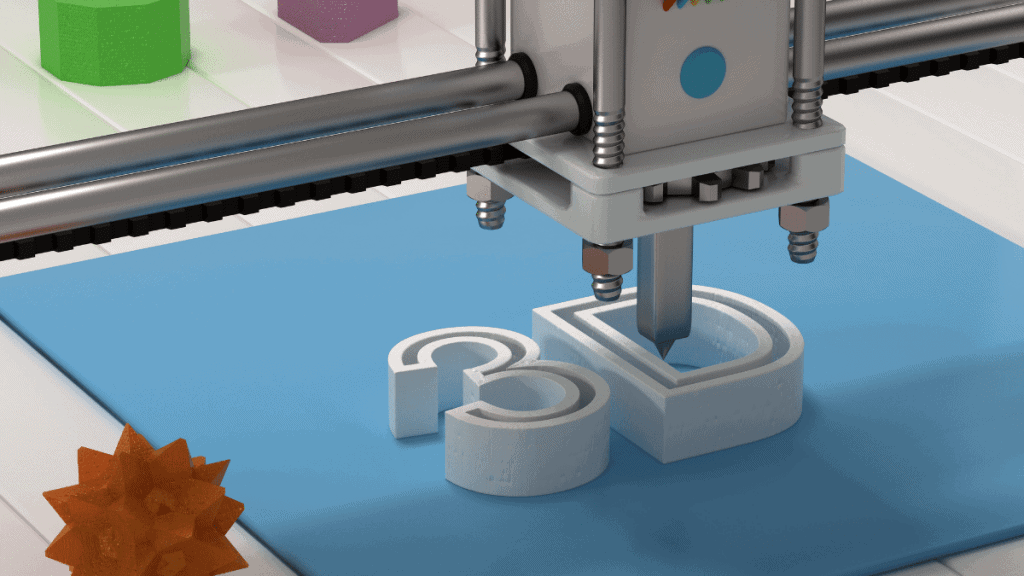
One of the core advantages of 3D printing is its additive nature. Unlike traditional manufacturing, which often starts with a solid block of material and removes excess to create the final shape, 3D printing builds objects from the ground up. This means only the necessary amount of material is used, drastically cutting down on scraps and offcuts.
For example, when producing complex parts for aerospace or automotive industries, traditional machining can waste up to 90% of the original material. In contrast, additive manufacturing can reduce this waste to nearly zero, as the printer deposits material only where it’s needed. This not only conserves raw materials but also reduces the energy required for post-processing and recycling.
Choosing Sustainable Materials for Eco-Friendly Printing
The choice of material plays a significant role in the environmental impact of 3D printing. Many printers use thermoplastics like PLA (polylactic acid), which is derived from renewable resources such as corn starch or sugarcane. PLA is biodegradable under industrial composting conditions, making it a popular choice for those aiming to reduce their carbon footprint.
Other sustainable materials include recycled plastics, bio-based resins, and even filaments made from waste byproducts. By selecting eco-friendly materials, manufacturers can further minimize their environmental impact. Additionally, some companies are developing closed-loop systems that allow users to recycle failed prints and support structures back into usable filament.

Design Strategies for Waste Reduction in 3D Printing
Smart design is crucial for maximizing the sustainability benefits of additive manufacturing. Here are some strategies to help minimize waste:
- Optimize part orientation and support structures: By carefully orienting parts and minimizing the need for supports, you can reduce the amount of extra material required during printing.
- Use lattice or honeycomb infill patterns: These structures provide strength while using less material compared to solid fills.
- Consolidate multiple parts: 3D printing allows for the creation of complex geometries, enabling you to combine several components into a single print, reducing assembly waste.
- Design for disassembly and recycling: Consider how parts can be easily separated and recycled at the end of their lifecycle.
Implementing these approaches not only conserves resources but can also lead to lighter, more efficient products. For those in the fashion industry, exploring the benefits of micro-factory models for fashion printing can further enhance sustainability by enabling localized, on-demand production.
Energy Efficiency and Environmental Impact
While material savings are a major advantage, energy consumption is another key factor in sustainable manufacturing. 3D printers generally use less energy than traditional machining, especially for small production runs or custom items. However, the type of printer and material can influence overall efficiency.
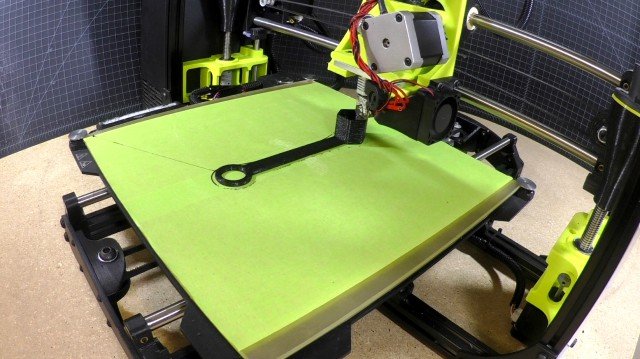
For instance, fused deposition modeling (FDM) printers are typically more energy-efficient than laser-based systems. Additionally, optimizing print settings—such as layer height and print speed—can reduce the time and energy required for each job. For a deeper understanding of how different 3D printing technologies operate, the U.S. Department of Energy offers a comprehensive overview of 3D printer mechanisms.
Practical Tips for Sustainable 3D Printing
To make the most of additive manufacturing’s sustainability potential, consider these practical steps:
- Plan prints carefully: Batch similar parts together and use the full build volume to maximize printer efficiency.
- Reuse and recycle: Collect failed prints and leftover filament for recycling, or use them in other projects.
- Maintain your equipment: Regular maintenance ensures optimal performance and reduces the risk of failed prints, which can waste both material and energy.
- Educate your team: Train staff on sustainable design and printing practices to foster a culture of resource efficiency.
Adopting these habits can help organizations and individuals alike reduce their environmental impact while benefiting from the flexibility and innovation that 3D printing offers.
Integrating Additive Manufacturing into a Circular Economy
The principles of the circular economy—where products and materials are kept in use for as long as possible—align well with the capabilities of 3D printing. By designing for durability, repairability, and recyclability, manufacturers can extend product lifespans and minimize landfill waste.
For example, spare parts can be printed on demand, reducing the need for large inventories and preventing obsolete stock from going to waste. Additionally, as more companies adopt recycled and bio-based materials, the environmental benefits of additive manufacturing will continue to grow.
Those interested in further optimizing their printing processes may also find value in learning about how to remove ghost images from printing screens, which can improve print quality and reduce material loss in hybrid production environments.
Frequently Asked Questions
How does 3D printing compare to traditional manufacturing in terms of waste?
Additive manufacturing typically generates far less waste than conventional subtractive methods. By building objects layer by layer, only the required material is used, significantly reducing offcuts and scraps. This makes it an attractive option for industries aiming to improve resource efficiency.
What are the most sustainable materials for 3D printing?
PLA, a biodegradable plastic made from renewable resources, is one of the most popular eco-friendly options. Other sustainable choices include recycled PETG, bio-based resins, and filaments made from industrial or agricultural waste. Selecting the right material depends on the intended application and desired environmental impact.
Can failed 3D prints be recycled?
Yes, many failed prints and support structures can be recycled, especially if you use single-material prints. Some desktop recycling systems allow users to grind down old prints and extrude new filament, creating a closed-loop system that further reduces waste.
How can businesses integrate 3D printing into their sustainability strategy?
Companies can start by identifying components suitable for additive manufacturing, selecting sustainable materials, and training staff in efficient design practices. Embracing on-demand production and recycling initiatives can also support broader sustainability goals.
As the technology continues to evolve, embracing reducing waste with 3D printing will remain a key strategy for businesses and individuals committed to sustainable manufacturing. By making informed choices about materials, design, and process optimization, it’s possible to enjoy the benefits of innovation while protecting the environment.