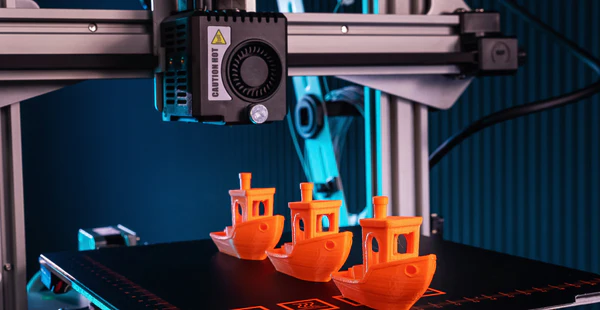
The concept of 3D printing on the moon is no longer a distant dream but a burgeoning reality that holds immense potential for space exploration and colonization. By utilizing local resources and advanced technology, lunar 3D printing could revolutionize how we build structures and tools in space. This guide delves into the exciting possibilities and challenges of manufacturing on the moon, offering insights into how this technology could shape the future of space missions.
Before diving into the specifics, it’s worth noting the broader implications of this technology. The ability to manufacture directly on the lunar surface could significantly reduce the cost and complexity of space missions. For those interested in garment printing, understanding what is soft hand feel in garment printing can provide insights into material innovation, which parallels the advancements in space manufacturing.
Utilizing Lunar Resources for Manufacturing
One of the most promising aspects of lunar 3D printing is the potential to use local resources found on the moon. Regolith, the layer of loose, heterogeneous material covering solid rock, can be used as a primary material for construction. By converting this material into a usable form, we can create habitats, tools, and other necessary structures without the need to transport materials from Earth.
In addition to reducing costs, using lunar resources minimizes the environmental impact of space missions. This approach aligns with sustainable practices, much like the descriptive anchor text that discusses the fundamentals of 3D printing technology.
Challenges in Lunar 3D Printing
Despite its potential, 3D printing on the moon presents several challenges. The harsh lunar environment, characterized by extreme temperatures and radiation, poses significant obstacles to the durability and functionality of printed structures. Additionally, the lack of atmosphere means that traditional cooling methods for 3D printers need to be rethought.
Another challenge is the development of printers capable of operating in low-gravity conditions. These machines must be robust and adaptable, capable of handling the unique demands of the lunar surface.
Applications of Lunar Manufacturing
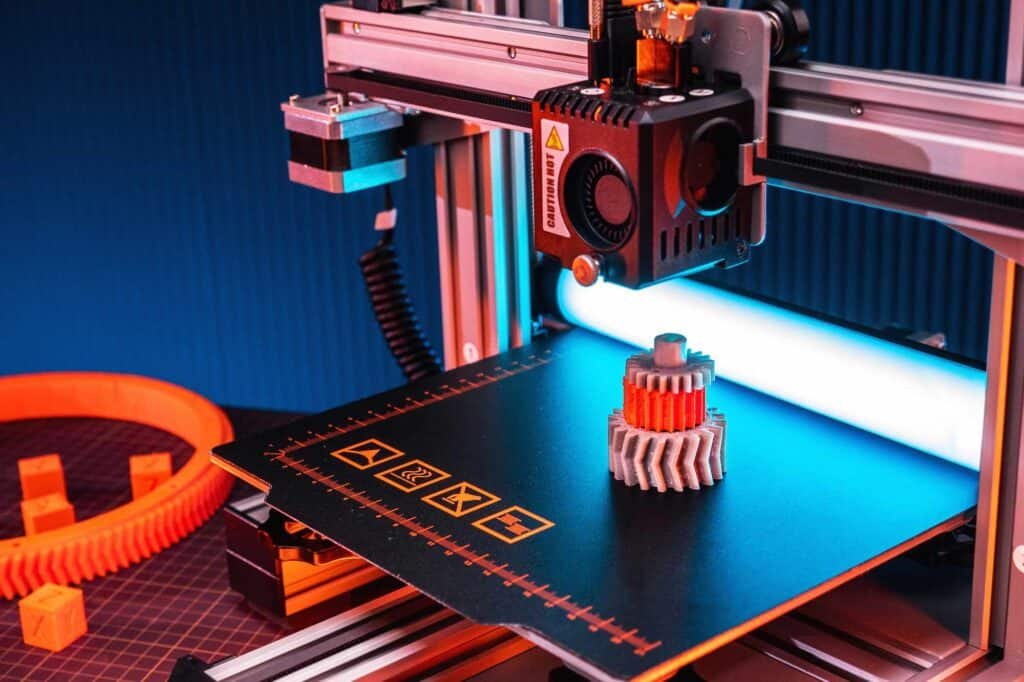
The potential applications of lunar manufacturing are vast. From building habitats for astronauts to creating tools and equipment on-demand, the possibilities are endless. This capability could also support longer missions and even the establishment of permanent bases on the moon.
Moreover, the technology developed for lunar 3D printing could have applications back on Earth, particularly in remote or resource-scarce environments. The parallels between space and terrestrial manufacturing innovations are evident in the benefits of micro-factory models for fashion printing, showcasing how space technology can influence earthly industries.
Future Prospects and Innovations
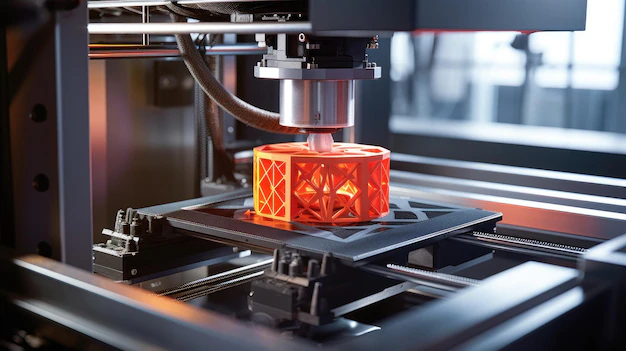
The future of lunar manufacturing is bright, with ongoing research and development aimed at overcoming current challenges. Innovations in materials science, robotics, and autonomous systems are paving the way for more efficient and reliable 3D printing technologies on the moon.
As these technologies mature, they will not only enhance our ability to explore and inhabit the moon but also provide valuable insights that can be applied to other planetary bodies, such as Mars. The lessons learned from lunar manufacturing could be instrumental in the broader context of space exploration.
Frequently Asked Questions
What materials can be used for 3D printing on the moon?
Primarily, lunar regolith is considered a viable material for 3D printing on the moon. It can be processed and used to create various structures and tools, reducing the need to transport materials from Earth.
How does lunar 3D printing benefit space missions?
Lunar 3D printing can significantly reduce the cost and complexity of space missions by enabling the construction of necessary structures and tools directly on the moon, thus minimizing the payload that needs to be launched from Earth.
What are the main challenges of 3D printing on the moon?
The main challenges include dealing with the harsh lunar environment, such as extreme temperatures and radiation, and developing printers that can operate in low-gravity conditions.