Printing on embellished textiles like sequined and beaded materials is a specialized process that demands a careful approach. These fabrics, known for their texture and reflective surfaces, present unique challenges for achieving crisp, durable prints. Whether you work in fashion, costume design, or custom textile production, understanding the right methods and tools is essential for success.
In this guide, you’ll discover practical techniques, recommended materials, and expert tips for how to print on sequins and beaded fabrics without damaging delicate embellishments. We’ll also highlight the importance of preparation, compatible inks, and finishing processes to ensure your designs look professional and last through wear and washing.
If you’re interested in related techniques for delicate textiles, you may also want to explore how to print on silk without damaging the fibers, which offers insights into working with fragile materials.
Understanding the Challenges of Printing on Embellished Textiles
Sequined and beaded fabrics are prized for their visual impact, but their uneven surfaces and non-absorbent embellishments make them difficult to print on using standard methods. The main issues include:
- Surface irregularity: Sequins and beads create a bumpy, textured surface that can prevent even ink application.
- Adhesion problems: Many inks and dyes struggle to bond with plastic or glass embellishments.
- Risk of damage: Heat, pressure, or harsh chemicals can loosen or melt embellishments, ruining the fabric.
- Registration issues: Achieving sharp, aligned prints is more complex when working with raised surfaces.
To overcome these obstacles, it’s important to select the right printing technique and adapt your process for the unique properties of these materials.
Best Techniques for Printing on Sequined and Beaded Fabrics
There are several approaches for applying designs to embellished textiles. The best method depends on the fabric’s base, the type and density of embellishments, and the desired result. Here are the most effective options for printing on sequins and beaded fabrics:
Screen Printing with Specialized Inks
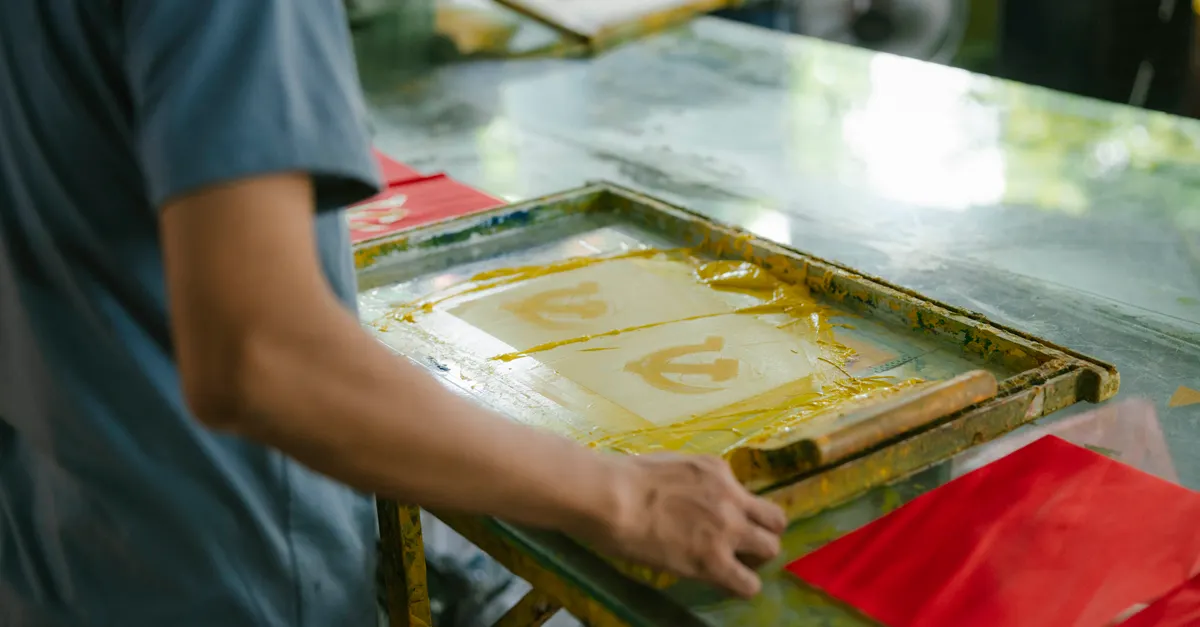
Screen printing is a popular choice for decorated textiles, but it requires some modifications for raised embellishments. Use a high mesh count screen and a squeegee with a soft edge to gently press ink over the surface. Opt for flexible, plastisol-based inks or specialty textile inks that can adhere to both fabric and plastic or glass. Avoid excessive pressure to prevent damaging the sequins or beads.
For more information on maintaining your printing equipment, see this guide on how to clean screen printing meshes.
Digital Printing and Direct-to-Fabric Methods
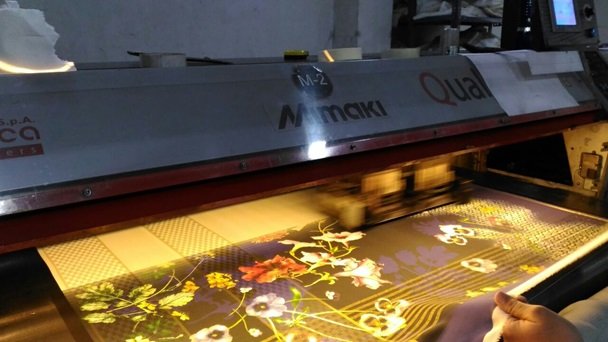
Digital textile printing has advanced to accommodate more complex surfaces. Some digital fabric printing methods can print directly onto sequined or beaded fabrics, especially when embellishments are sparse or low-profile. These printers use specialized inks and adjustable platens to minimize pressure and avoid snagging.
Heat Transfer and Sublimation
Heat transfer printing can be effective when embellishments are heat-resistant and not too densely packed. Place a transfer sheet over the fabric and use a heat press at a lower temperature with minimal pressure. Always test a small area first, as some sequins may melt or discolor. Sublimation is generally not recommended for these fabrics unless the embellishments are specifically designed to withstand high heat.
For a comparison of heat-based printing methods, check out this guide to sublimation vs direct to film printing.
Hand Painting and Stenciling
For one-of-a-kind pieces or small runs, hand painting with fabric paints or using stencils offers maximum control. This method allows you to work around densely embellished areas and apply color only where it will adhere. Use a fine brush and dab gently to avoid dislodging sequins or beads.
Preparation and Fabric Handling Tips
Proper preparation is crucial when working with decorated textiles. Here are some essential steps to follow:
- Clean the fabric: Remove dust and oils that can interfere with ink adhesion. Use a lint roller or gentle vacuum.
- Stabilize the fabric: Use a temporary adhesive spray or light fusible backing to keep the fabric flat and prevent shifting during printing.
- Test first: Always print a sample on a scrap or inconspicuous area to check for compatibility and durability.
- Protect embellishments: Mask off areas with dense beads or sequins if you want to avoid printing on them directly.
Choosing the Right Inks and Materials
Not all inks are suitable for use on sequined or beaded textiles. Look for the following qualities:
- Flexibility: Inks should remain flexible after curing to prevent cracking or peeling.
- Adhesion: Choose inks formulated for synthetic surfaces if printing on plastic sequins or glass beads.
- Opacity: High-opacity inks help designs stand out against reflective backgrounds.
- Low cure temperature: Inks that cure at lower temperatures reduce the risk of melting embellishments.
For best results, consult with your ink supplier about products specifically recommended for use on embellished fabrics.
Finishing and Care for Printed Embellished Fabrics
After printing, allow the ink to cure fully according to the manufacturer’s instructions. Avoid stacking or folding the fabric until the print is completely dry. If possible, air cure rather than using a heat tunnel or dryer, as excessive heat can damage embellishments.
For washing, recommend gentle hand washing or spot cleaning only. Machine washing and tumble drying can dislodge beads and sequins or cause prints to crack. If ironing is necessary, use a pressing cloth and the lowest possible heat setting, avoiding direct contact with embellishments.
Common Mistakes to Avoid
- Applying too much pressure during printing, which can flatten or dislodge embellishments.
- Using high-heat curing methods that may melt sequins or beads.
- Skipping test prints, leading to wasted materials and poor results.
- Choosing inks that are too rigid or not formulated for non-porous surfaces.
- Ignoring proper fabric stabilization, resulting in misalignment or smudging.
Frequently Asked Questions
Can you use standard textile inks for printing on sequined and beaded fabrics?
Standard textile inks are often too rigid or lack the necessary adhesion for non-porous embellishments. It’s best to use inks specifically designed for synthetic or glossy surfaces to ensure durability and flexibility.
What is the safest way to cure prints on decorated textiles?
Air curing is the safest option, as it avoids exposing sequins and beads to high heat. If you must use heat, keep temperatures as low as possible and monitor the fabric closely to prevent melting or warping.
Is it possible to achieve detailed prints on heavily embellished fabrics?
Achieving fine detail is challenging on surfaces with dense sequins or beads. For best results, use hand painting or stenciling to target flat areas, or print before embellishments are applied. Digital printing may work for less densely decorated fabrics.
How do you maintain the vibrancy of prints on sequined textiles?
Use high-opacity, flexible inks and avoid harsh washing or abrasion. Store garments flat and clean them gently to preserve both the print and the embellishments.
Conclusion
Mastering the art of printing on sequined and beaded fabrics requires patience, the right materials, and a willingness to experiment. By understanding the unique properties of these textiles and adapting your methods, you can create stunning, durable designs that stand out. For those interested in exploring other advanced textile printing techniques, learning about what is all-over printing in streetwear design or what is digital sublimation for athletic wear can further expand your creative possibilities.