Printing on leather has become a defining element in the world of high-end fashion and accessories. From statement handbags to bespoke footwear, the ability to apply intricate designs and vivid colors onto leather surfaces opens up new creative possibilities for designers and brands. However, achieving flawless results on such a premium material requires a deep understanding of both the technical and aesthetic aspects of the process.
This guide explores the essential methods, materials, and best practices for producing exceptional printed leather goods. Whether you are a designer, manufacturer, or simply interested in the craft, you will find practical insights and expert tips for elevating your leather projects to luxury standards.
For those interested in the tactile qualities of printed garments, you may also want to learn about what is soft hand feel in garment printing and how it can enhance the overall luxury experience.
Understanding Leather as a Printing Substrate
Leather is a unique material, prized for its durability, texture, and natural beauty. However, these same qualities make it a challenging surface for printing. Unlike textiles or paper, leather can vary widely in porosity, finish, and flexibility. The choice of printing technique and ink must be carefully matched to the type of leather and the desired outcome.
- Full-grain leather: Retains the natural grain and is often used for luxury goods. It requires gentle handling and specialized inks.
- Top-grain leather: Slightly sanded for a smoother finish, making it more receptive to certain printing methods.
- Corrected-grain and coated leathers: Often have a synthetic layer, which can affect ink adhesion and color vibrancy.
The success of any leather printing project begins with understanding the substrate and selecting compatible materials and processes.
Popular Techniques for Printing on Leather in High-End Fashion
There are several methods for applying graphics and patterns to leather, each with its own strengths and limitations. The choice depends on the design complexity, production volume, and the specific characteristics of the leather.
Digital Printing: Precision and Versatility
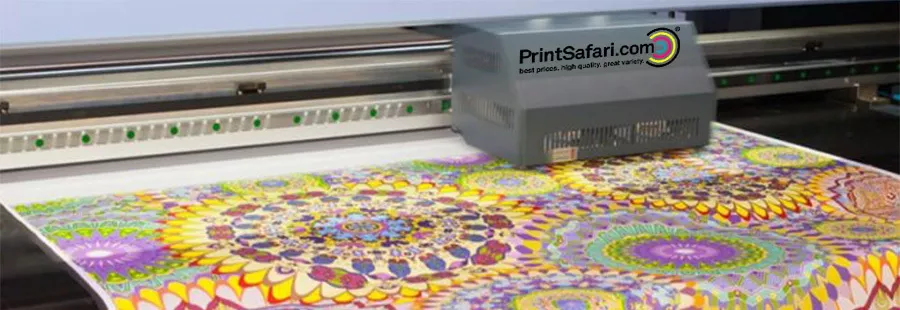
Digital printing has revolutionized the way luxury brands approach leather customization. This method uses specialized printers to apply water-based or UV-curable inks directly onto the leather surface. The result is high-resolution imagery with vibrant colors and fine detail, ideal for limited-edition collections and bespoke accessories.
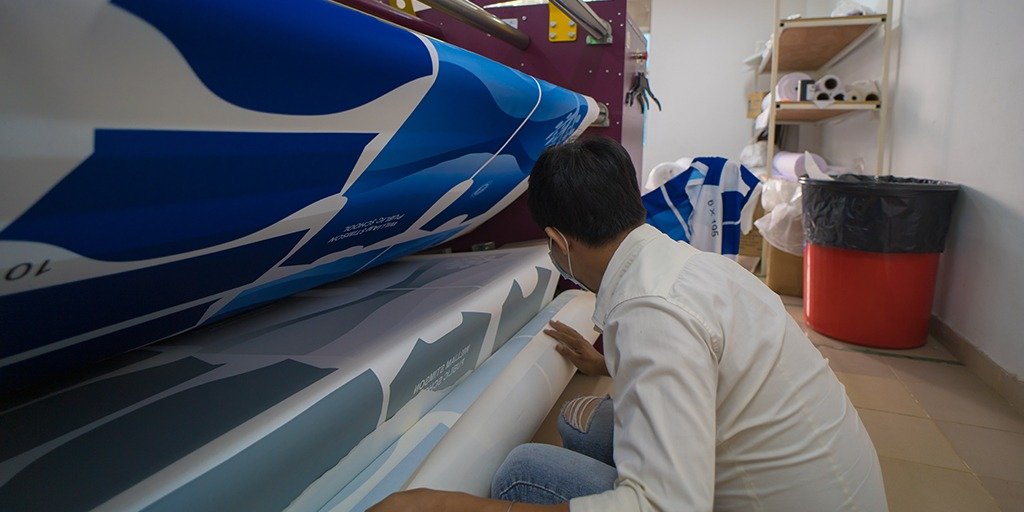
- Advantages: Enables complex, multi-color designs with minimal setup. Suitable for both prototypes and small runs.
- Considerations: Requires pre-treatment of the leather for optimal ink adhesion. Not all digital inks are flexible enough for soft leathers.
For more on the latest advancements in this area, explore digital textile printing innovations that are influencing luxury fashion production.
Screen Printing: Classic Method for Bold Results
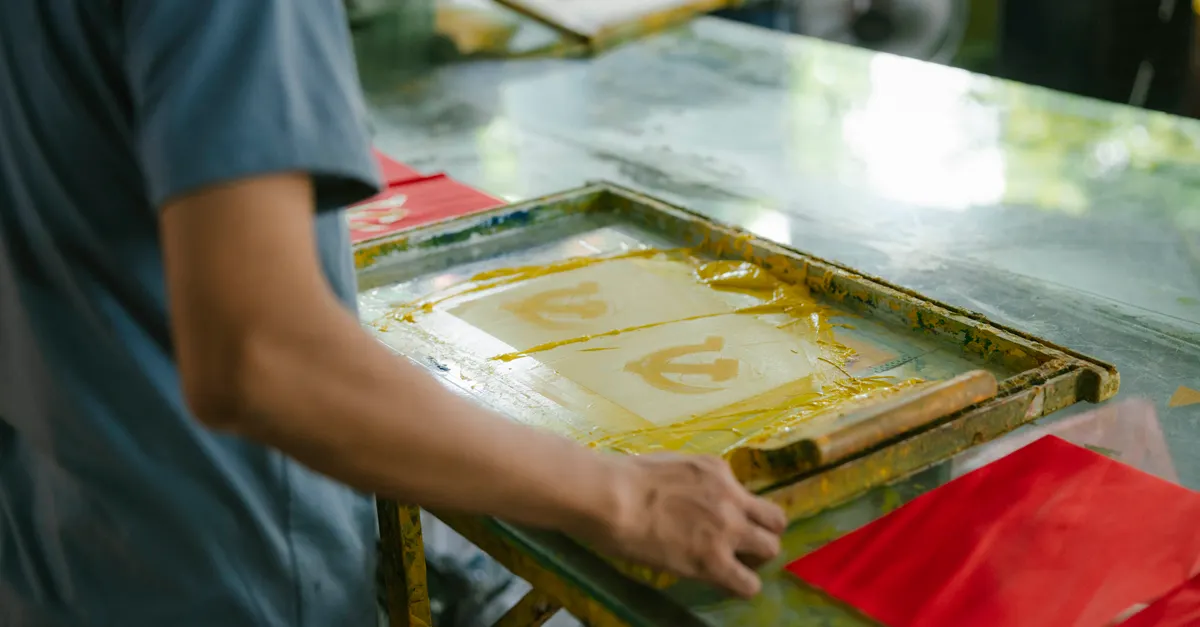
Screen printing remains a popular choice for applying bold graphics and solid colors to leather. This technique involves pushing ink through a mesh stencil onto the material. It is especially effective for larger production runs and for designs that require opaque, long-lasting prints.

- Advantages: Delivers vibrant, durable prints. Compatible with a wide range of specialty inks, including metallic and textured finishes.
- Considerations: Less suited for photo-realistic images or intricate gradients. Each color requires a separate screen, increasing setup time for multi-color designs.
Proper screen maintenance is crucial for consistent quality. If you encounter issues like ghost images, check out this resource on how to remove ghost images from printing screens.
Other Techniques: Foil Stamping, Embossing, and UV Printing
Beyond digital and screen methods, luxury leather goods often feature specialty finishes such as foil stamping, embossing, and UV printing. These techniques add tactile and visual interest, enhancing the perceived value of the product.
- Foil stamping: Applies metallic or pigmented foil to the leather using heat and pressure, creating a reflective effect.
- Embossing/Debossing: Imprints or depresses a design into the leather, adding dimension and texture.
- UV printing: Uses ultraviolet light to cure inks instantly, allowing for crisp, raised prints on coated or synthetic leathers.
Combining multiple techniques can result in truly unique and luxurious finishes, but requires careful planning and expert execution.
Best Practices for Achieving High-End Results
To ensure that printed leather items meet the expectations of luxury consumers, attention to detail is paramount at every stage. Here are some essential tips for success:
- Test on Scrap Material: Always run test prints on offcuts from the same leather batch. This helps identify any issues with ink absorption, color shift, or surface compatibility before committing to the final product.
- Use High-Quality Inks and Finishes: Select inks specifically formulated for leather. These are designed to flex with the material and resist cracking or fading over time.
- Pre-Treat and Post-Treat: Pre-treatments can improve ink adhesion, while post-treatments such as protective coatings enhance durability and resistance to abrasion.
- Maintain Consistency: Monitor environmental factors like temperature and humidity, which can affect drying times and ink performance.
- Quality Control: Inspect every piece for flaws, color accuracy, and print alignment. Luxury buyers expect perfection.
For brands considering new production models, exploring the benefits of micro-factory models for fashion printing can offer greater flexibility and quality control.
Design Considerations for Luxury Leather Printing
The design phase is critical when working with leather. Unlike flat fabrics, leather’s natural grain and surface variations can impact how a print appears. Here are some design tips:
- Embrace the Material: Incorporate the leather’s natural characteristics into your design, rather than trying to mask them.
- Scale and Placement: Consider how the design will align with seams, folds, and hardware on the final product.
- Color Choices: Some colors may appear differently on leather compared to fabric. Always approve a physical sample before full production.
- Branding: For logos and brand marks, weigh the pros and cons of printing versus embroidery. For a deeper comparison, see what is embroidery vs printing for brand logos.
Well-executed design not only enhances the visual appeal but also reinforces the luxury positioning of the product.
Common Challenges and Solutions in Leather Printing
Even with the best equipment and materials, printing on leather can present unique challenges. Here are some common issues and how to address them:
- Ink Cracking: Use flexible inks and avoid over-saturating the surface. Proper curing is essential.
- Poor Adhesion: Ensure the leather is clean and properly pre-treated. Some finishes may require light sanding or deglazing.
- Color Inconsistency: Maintain strict quality controls and use calibrated equipment for color matching.
- Surface Damage: Handle leather gently during printing and finishing to avoid stretching or marking the material.
Addressing these challenges proactively will help maintain the integrity and luxury feel of the finished product.
Frequently Asked Questions
What type of ink is best for printing on leather?
The best inks for leather are those specifically formulated for flexibility and durability, such as water-based or UV-curable inks designed for leather substrates. These inks bond well with the surface and resist cracking or fading, even with frequent handling.
Can digital printing be used for all types of leather?
Digital printing works well on many types of leather, especially those with smooth or lightly textured surfaces. However, very porous or heavily grained leathers may require additional pre-treatment or may not yield optimal results. Always test on a sample before full production.
How do you ensure printed leather products remain luxurious and durable?
To maintain luxury quality, use high-grade materials, test thoroughly, and apply protective finishes. Regular quality checks and proper storage also help preserve the appearance and feel of printed leather goods.
Is screen printing or digital printing better for luxury accessories?
Both methods have their place. Screen printing is ideal for bold, solid designs and large runs, while digital printing excels at detailed, multi-color graphics and short runs. The choice depends on the design, production volume, and the specific leather being used.
As the demand for personalized and visually striking leather goods continues to grow, mastering these printing techniques is essential for anyone aiming to compete in the luxury fashion space. By understanding the material, choosing the right methods, and focusing on quality at every step, you can create leather accessories that truly stand out.