With the fashion and textile industries moving toward sustainability, recycled polyester has become a popular alternative to virgin synthetics. However, working with this eco-friendly material presents unique technical hurdles, especially when it comes to achieving vibrant, durable prints. Understanding how to print on recycled polyester effectively is crucial for designers, manufacturers, and brands aiming to combine environmental responsibility with high-quality results.
This guide explores the main obstacles encountered when printing on recycled polyester and offers practical solutions for each stage of the process. Whether you’re a print shop owner, product developer, or simply curious about sustainable textiles, you’ll find actionable advice to help you achieve optimal outcomes with this innovative material.
For those interested in the broader context of sustainable printing, you may also want to explore what is the future of smart textiles and printing to see how advanced materials and techniques are shaping the industry.
Understanding the Nature of Recycled Polyester
Recycled polyester, often made from post-consumer PET bottles or post-industrial waste, is chemically similar to virgin polyester. However, the recycling process can introduce subtle differences in fiber structure, surface energy, and dye uptake. These factors directly impact printing on recycled polyester, making it essential to adapt your approach for consistent, high-quality results.
- Surface Variability: Recycled fibers may have more surface irregularities, affecting ink adhesion and print clarity.
- Moisture and Oil Residues: Traces of contaminants from the recycling process can interfere with print chemistry.
- Batch Consistency: Variations between batches can lead to color shifts or uneven results if not managed carefully.
Key Challenges When Printing on Recycled Polyester
Printing on recycled polyester presents a set of challenges distinct from those encountered with virgin synthetics or natural fibers. The main issues include:
- Ink Adhesion: Achieving strong, lasting bonds between ink and fiber can be more difficult due to surface energy differences.
- Color Vibrancy: Dyes and pigments may not penetrate as deeply, resulting in muted or inconsistent colors.
- Print Durability: Prints may be more prone to fading or washing out if the process is not optimized for recycled content.
- Environmental Compatibility: Some traditional printing chemicals are not suitable for sustainable production or may counteract the eco-friendly benefits of recycled fabrics.
Best Practices for Printing on Recycled Polyester
To overcome these obstacles, it’s important to tailor your printing process to the specific characteristics of recycled polyester. Here are some proven strategies:
1. Pre-Treatment and Fabric Preparation
Proper preparation is the foundation for successful printing. Begin by thoroughly cleaning the fabric to remove any residual oils, contaminants, or sizing agents. Pre-treatments designed for polyester can enhance ink absorption and improve the sharpness of your prints.
- Use specialized cleaning agents formulated for synthetic fibers.
- Apply a pre-treatment solution if using digital or sublimation printing methods.
- Test a small sample before full production to ensure compatibility and desired results.
2. Choosing the Right Printing Method
Several printing techniques can be used with recycled polyester, each with its own advantages and limitations:
| Printing Method | Suitability for Recycled Polyester | Key Considerations |
|---|---|---|
| Sublimation Printing | Excellent | Requires high polyester content; produces vibrant, durable prints. |
| Digital Direct-to-Fabric | Good | Works well with pre-treated fabrics; offers flexibility for short runs. |
| Screen Printing | Moderate | Needs polyester-compatible inks; may require additional curing steps. |
| Heat Transfer | Good | Effective for small batches; ensure transfer paper and inks are suitable for synthetics. |
For a comprehensive overview of digital techniques, see this complete guide to digital fabric printing.
3. Selecting Inks and Dyes for Sustainable Printing
Not all inks and dyes are created equal, especially when it comes to eco-friendly production. When printing on recycled polyester, prioritize:
- Disperse Dyes: These are ideal for polyester and provide excellent colorfastness.
- Water-Based Inks: Safer for the environment and compatible with many digital and screen printing processes.
- Low-Temperature Curing: Reduces energy use and helps maintain fabric integrity.
Always verify that your chosen inks are certified for use with recycled materials and meet relevant environmental standards.
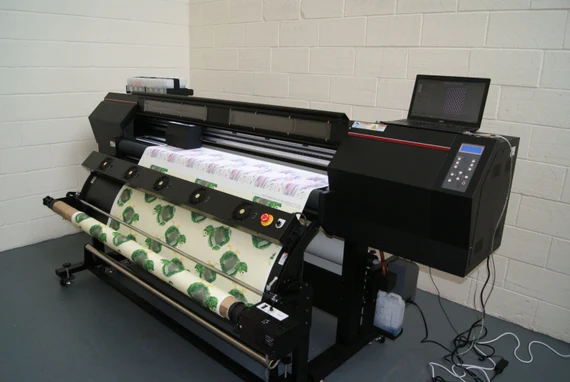
4. Managing Color Consistency and Quality Control
Because recycled polyester can vary from batch to batch, implementing rigorous quality control is essential. Consider the following steps:
- Conduct color fastness and wash tests on every production run.
- Work closely with suppliers to ensure consistent fabric quality.
- Document all process parameters for repeatability.
Adopting these practices helps minimize costly rework and ensures your prints meet customer expectations.
Environmental and Business Benefits of Printing on Recycled Polyester
Embracing recycled polyester not only supports sustainability goals but can also enhance your brand’s reputation and open new market opportunities. Key benefits include:
- Reduced Environmental Impact: Lower carbon footprint and less reliance on fossil fuels compared to virgin polyester.
- Market Differentiation: Eco-friendly products are increasingly in demand among conscious consumers.
- Compliance: Many retailers and brands now require sustainable sourcing and production practices.
For those interested in other innovative materials, you might also want to read about how to print on cork and non-traditional materials for further inspiration.
Tips for Small-Scale and Home-Based Printing
If you’re a small business or hobbyist, printing on recycled polyester is still accessible with the right setup:
- Start with pre-treated blanks designed for sublimation or digital printing.
- Invest in a reliable heat press and compatible inks.
- Test your workflow on small samples before scaling up.
For more guidance on setting up your own workspace, check out advice on how to set up a small scale fashion printing studio.
Frequently Asked Questions
What is the best printing method for recycled polyester?
Sublimation printing is widely regarded as the most effective technique for recycled polyester, as it produces vibrant, long-lasting prints without compromising the fabric’s eco-friendly properties. Digital direct-to-fabric printing is also a strong option, especially for short runs and custom designs.
Are special inks required for printing on recycled polyester?
Yes, it’s important to use inks and dyes specifically formulated for polyester fibers. Disperse dyes and water-based inks designed for synthetics offer the best results. Always check for compatibility with recycled materials and environmental certifications.
How can I ensure color consistency when printing on recycled polyester?
Maintaining color consistency requires close collaboration with your fabric supplier, thorough pre-treatment, and regular quality control checks. Testing each batch and documenting your process parameters will help achieve reliable, repeatable results.
Conclusion
Printing on recycled polyester requires careful attention to material preparation, ink selection, and process control, but the environmental and business rewards are significant. By following the best practices outlined here, you can produce high-quality, sustainable prints that meet the demands of today’s conscious consumers. As the industry continues to evolve, staying informed and adaptable will ensure your success in the world of sustainable textile printing.