Color migration is a persistent challenge in textile decoration, especially when working with polyester and blended fabrics. The issue arises when dyes from the fabric migrate into the ink or print layer, causing unwanted color shifts, dullness, or even complete color changes in the finished product. This phenomenon is particularly problematic for decorators, printers, and apparel manufacturers seeking vibrant, accurate, and durable results.
Understanding how to handle color migration on polyester and blends is essential for anyone involved in digital textile printing, screen printing, or heat transfer processes. The right strategies can help prevent costly reprints, maintain brand standards, and ensure customer satisfaction. This article explores the causes of color migration, practical prevention methods, and best practices for achieving crisp, long-lasting prints on challenging synthetic fabrics.
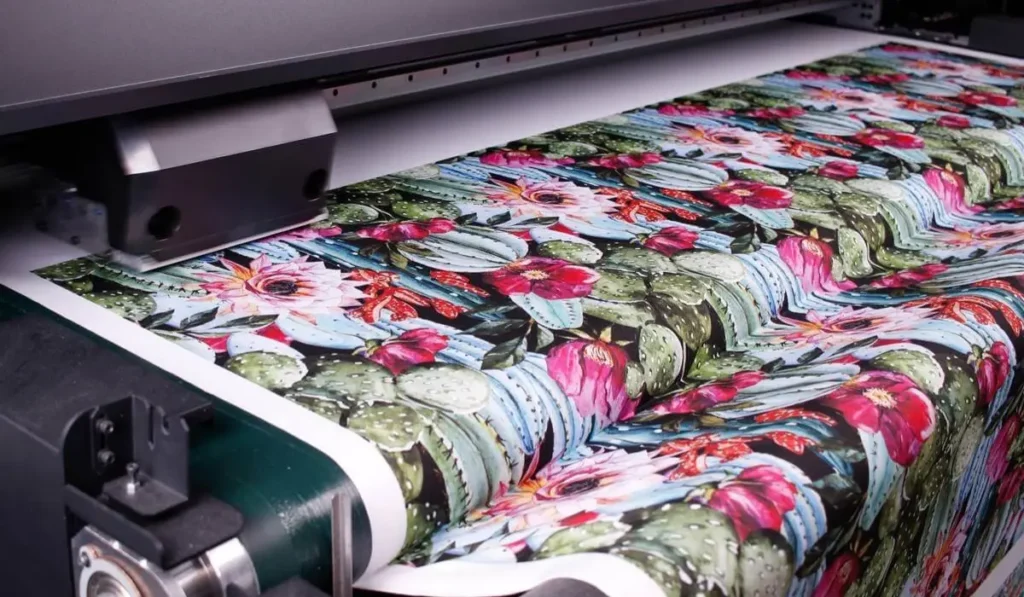
If you’re interested in advanced surface effects, you might also want to explore how to achieve metallic effects without foil for innovative textile finishes.
Understanding Color Migration in Synthetic Fabrics
Color migration occurs when dyes used in polyester or blended garments are reactivated by heat and move into the ink or transfer layer applied during decoration. This is most common with disperse dyes, which are standard in polyester production. When exposed to the high temperatures required for curing plastisol inks, sublimation transfers, or direct-to-film (DTF) printing, these dyes can vaporize and migrate, leading to visible color contamination.
Blended fabrics, such as poly-cotton or poly-spandex, are also susceptible. The synthetic portion of the blend is usually the culprit, as natural fibers like cotton are less prone to dye migration. The result can be a pinkish hue on white prints over red polyester, or a muddy appearance on light-colored graphics.
Key Causes of Dye Migration on Polyester
To effectively address how to handle color migration on polyester, it’s important to recognize the main triggers:
- High Curing Temperatures: Most migration occurs above 280°F (138°C), which is common in screen printing and heat transfer processes.
- Low-Quality or Overdyed Fabrics: Poorly set dyes or excessive dye loads increase the risk of migration.
- Insufficient Ink or Transfer Barrier: Standard inks may not provide enough resistance to migrating dyes.
- Extended Dwell Times: Longer exposure to heat during curing or pressing gives dyes more time to move.
Best Practices for Preventing Color Migration
There are several proven strategies for minimizing or eliminating dye migration when printing on polyester and blends:
1. Use Low-Cure or Dye-Blocking Inks
Specialty inks designed for synthetic fabrics cure at lower temperatures, reducing the risk of dye activation. Look for low-bleed or dye-blocking plastisol inks, which contain additives that create a barrier against migrating dyes. These products are formulated to cure at temperatures as low as 270°F (132°C), significantly below the migration threshold for most polyester dyes.
2. Apply a Dye-Blocking Underbase
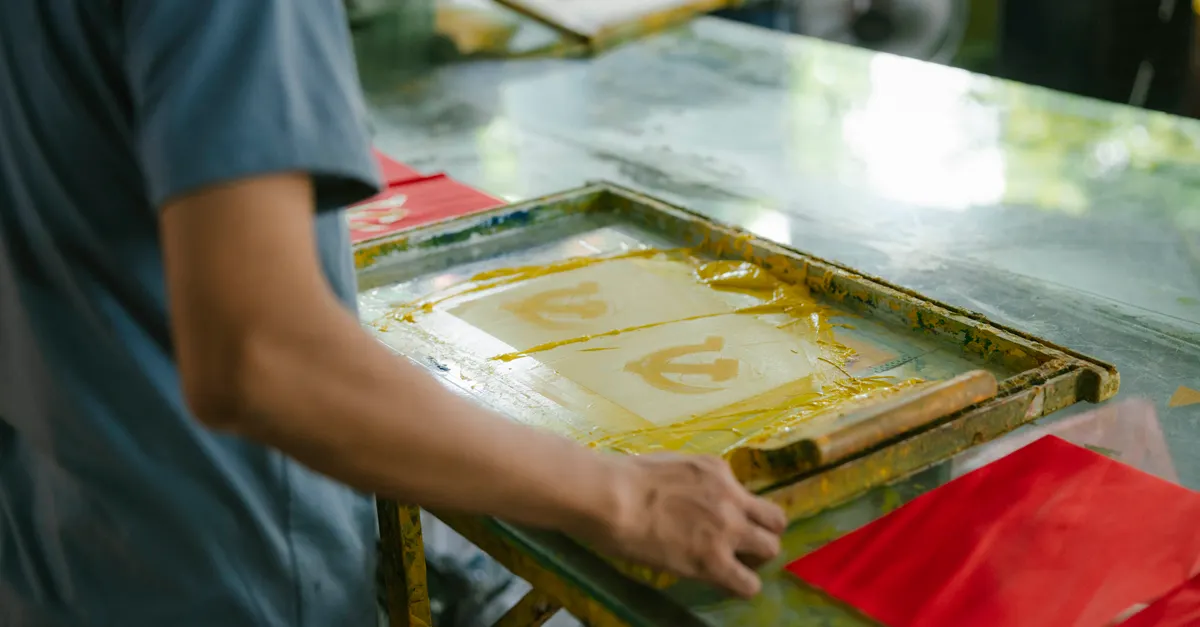
For high-opacity prints or when working with especially problematic fabrics, applying a dye-blocking underbase layer is highly effective. This underbase acts as a physical barrier, preventing dyes from reaching the top ink layers. In screen printing, this is often a specially formulated white or gray ink. For digital and DTF printing, some transfer films incorporate dye-blocking coatings for this purpose.
3. Control Curing and Pressing Temperatures
Carefully monitor and adjust curing ovens, flash dryers, and heat presses to use the lowest effective temperature for the shortest possible time. Avoid excessive dwell times, as prolonged heat exposure increases the chance of migration. Use a calibrated thermometer or temperature strips to verify actual garment surface temperatures.
4. Choose Quality Fabrics and Pre-Test
Not all polyester garments are created equal. Higher-quality fabrics with well-set dyes are less likely to bleed. Always request test samples from your supplier and perform migration tests before full production. This is especially important for deep or saturated colors, which are more prone to issues.

Advanced Techniques for Managing Migration
For those seeking even greater control over color migration on polyester, consider these advanced options:
- Use Sublimation-Resistant Transfers: Some heat transfer films and DTF products are engineered with enhanced dye-blocking properties, making them ideal for sportswear and uniforms.
- Double-Cure Method: For screen printing, a two-step curing process—partial cure, cool, then final cure—can help set the ink before full heat exposure.
- Ink Additives: Certain additives can be mixed into standard plastisol or water-based inks to improve dye resistance. Always follow manufacturer guidelines for compatibility and ratios.
For a deeper dive into sustainable and modern printing methods, check out this comprehensive overview of digital textile printing and its environmental impact.
Common Mistakes to Avoid
Even experienced decorators can fall into traps that increase the risk of migration. Here are some pitfalls to watch out for:
- Ignoring Fabric Source: Not all polyester is the same. Inconsistent dye quality between batches can lead to unpredictable results.
- Over-Curing: Excessive heat or time in the dryer can trigger migration even with low-bleed inks.
- Skipping Pre-Production Tests: Always test new garments, inks, or transfers on a small scale before full runs.
- Using Standard Inks on Synthetics: Regular plastisols or water-based inks rarely provide sufficient dye resistance for polyester and blends.
Related Considerations in Textile Printing
Managing color migration on polyester is just one aspect of successful textile decoration. Other challenges include moiré patterns, ink compatibility, and eco-friendly practices. For example, understanding the difference between solvent and eco-solvent textile inks can help you select the right products for your needs. Similarly, mastering digital design tools is crucial for repeatable, high-quality results—see our guide on how to use Adobe Illustrator for textile repeats for more tips.
Frequently Asked Questions
What is the main cause of color migration on polyester?
The primary cause is the reactivation of disperse dyes in polyester fabrics when exposed to high heat during curing or pressing. These dyes vaporize and move into the ink or transfer layer, resulting in unwanted color shifts or bleeding.
How can I test for dye migration before full production?
Print a small sample using your intended process and cure it at the planned temperature and time. After cooling, inspect the print for any color changes or bleeding. If possible, wash the sample to check for delayed migration. Adjust your ink, underbase, or curing settings based on the results.
Are there inks that completely prevent migration?
While no ink can guarantee 100% resistance in all situations, low-bleed and dye-blocking inks significantly reduce the risk. Combining these with proper curing and a dye-blocking underbase offers the best protection against migration on polyester and blends.
Conclusion
Successfully managing color migration on polyester and blend fabrics requires a combination of the right materials, careful process control, and thorough testing. By using specialty inks, controlling curing temperatures, and selecting quality garments, you can achieve vibrant, durable prints even on the most challenging synthetic textiles. Staying informed about new products and techniques will help you stay ahead of issues and deliver consistent, professional results in every job.